
The Science Behind the Glow: What Exactly is Vitamin C?
Before we embark on a journey through the remarkable benefits of Vitamin C serum, it’s crucial to understand the hero ingredient itself. Vitamin C, scientifically known as L-ascorbic acid, is an essential water-soluble vitamin that plays a vital role in numerous bodily functions, including immune system support and collagen synthesis. Unlike some mammals, humans cannot produce Vitamin C endogenously, meaning we must obtain it through our diet or topical application. When it comes to skincare, this distinction is paramount, as dietary intake primarily benefits the body’s internal systems, with only a fraction reaching the skin, especially the outermost layers where environmental damage is most prevalent.
Topical application, particularly in serum form, offers a direct and concentrated delivery method, allowing the skin to absorb and utilize this powerhouse antioxidant effectively. However, Vitamin C is notoriously unstable. L-ascorbic acid, the most biologically active form, is highly susceptible to degradation when exposed to light, air, and heat. This instability is why the formulation and packaging of a Vitamin C serum are critical to its efficacy. High-quality serums often come in opaque, air-tight containers, sometimes even dark glass bottles with droppers, to protect the integrity of the active ingredient. Furthermore, formulators employ various strategies to stabilize L-ascorbic acid, such as combining it with other antioxidants like Vitamin E and ferulic acid, which not only enhance its stability but also amplify its protective capabilities.
Beyond L-ascorbic acid, the skincare industry has developed several Vitamin C derivatives that offer improved stability and, in some cases, gentler delivery. These include magnesium ascorbyl phosphate (MAP), sodium ascorbyl phosphate (SAP), ascorbyl palmitate, and tetrahexyldecyl ascorbate (THD ascorbate). While L-ascorbic acid is the most studied and potent form, these derivatives can be excellent alternatives, especially for individuals with sensitive skin, as they convert into L-ascorbic acid once absorbed, albeit potentially less efficiently. Understanding these nuances is the first step in selecting a Vitamin C serum that is not just a trendy product, but a scientifically backed cornerstone of your skincare regimen.
Unveiling the Myriad Benefits: Why Your Skin Needs Vitamin C Serum

The allure of Vitamin C serum in skincare is not merely hype; it’s rooted in a profound understanding of its multifaceted impact on skin health and appearance. Incorporating this potent antioxidant into your daily routine can lead to a visible transformation, addressing a wide array of common skin concerns. Here, we meticulously break down the key Vitamin C serum benefits for skin, illustrating why it deserves a coveted spot in your beauty arsenal.
Potent Antioxidant Protection Against Environmental Damage
At the forefront of Vitamin C’s benefits is its unparalleled antioxidant prowess. Our skin is constantly bombarded by environmental aggressors such as UV radiation, pollution, and cigarette smoke. These factors generate free radicals, unstable molecules that damage skin cells, leading to premature aging, collagen breakdown, and a dull complexion. Vitamin C, by nature, is an electron donor, effectively neutralizing these free radicals before they can inflict harm. When applied topically, it creates a protective shield, reinforcing the skin’s natural defenses and significantly reducing oxidative stress. This protective action is crucial for maintaining cellular integrity and preventing the visible signs of environmental aging, ensuring your skin remains resilient and vibrant even in challenging urban environments.
Brightens Skin and Evens Tone, Addressing Hyperpigmentation & Dark Spots
One of the most celebrated and visually striking benefits of Vitamin C serum is its ability to brighten the complexion and even out skin tone. This is achieved through its inhibitory effect on tyrosinase, an enzyme crucial for melanin production. By impeding tyrosinase activity, Vitamin C helps to fade existing dark spots, sun spots, post-inflammatory hyperpigmentation (PIH) from acne, and other forms of discoloration. Over consistent use, the skin appears more luminous, radiant, and uniform, diminishing the appearance of a tired or sallow complexion. This brightening effect contributes significantly to an overall refreshed and youthful appearance, making your natural glow undeniable.
Boosts Collagen Production for Firmer, More Youthful Skin
Collagen, the most abundant protein in our skin, is responsible for its structure, firmness, and elasticity. As we age, collagen production naturally declines, leading to sagging skin, fine lines, and wrinkles. Vitamin C is an essential co-factor for the enzymes involved in collagen synthesis. By supplying the skin with this vital nutrient, topical Vitamin C serum actively stimulates the production of new collagen fibers, helping to restore skin’s youthful bounce and firmness. Regular application can lead to a noticeable improvement in skin texture, making it feel plumper and more resilient. This internal rejuvenation is a cornerstone of anti-aging skincare, offering a foundation of strength for your skin.
Reduces the Appearance of Fine Lines and Wrinkles
Building on its collagen-boosting capabilities, Vitamin C serum is a formidable weapon against the visible signs of aging, particularly fine lines and wrinkles. By stimulating collagen and elastin synthesis, it helps to plump the skin from within, smoothing out existing lines and preventing the formation of new ones. Furthermore, its antioxidant action protects against the breakdown of these vital proteins, preserving the skin’s structural integrity. The result is a complexion that not only looks smoother and more refined but also feels more supple and youthful, contributing to a timeless elegance that transcends fleeting trends.
Enhances Skin Radiance and Luminosity
Beyond targeting specific concerns like dark spots or wrinkles, Vitamin C serum imparts an undeniable radiance to the skin. This holistic improvement in luminosity stems from its combined effects: fading discoloration, boosting cell turnover, and enhancing overall skin health. A well-formulated Vitamin C serum can transform dull, lacklustre skin into a vibrant, glowing canvas, reflecting light beautifully. This natural radiance is often the hallmark of healthy, well-cared-for skin, providing a fresh, ‘lit-from-within’ glow that minimizes the need for heavy makeup, aligning perfectly with a philosophy of natural beauty and understated sophistication.
Aids in UV Damage Protection (But Not a Substitute for SPF)
While Vitamin C serum is not a sunscreen and cannot absorb or reflect UV rays, it significantly enhances the skin’s protection against sun-induced damage. As a powerful antioxidant, it neutralizes the free radicals generated by UV exposure, which are responsible for much of the cellular damage that leads to sunburn, premature aging, and even skin cancer. When used in conjunction with a broad-spectrum SPF, Vitamin C creates a powerful defense system, offering an additional layer of protection against environmental stressors. This synergistic approach ensures comprehensive daily protection, safeguarding your skin’s health and preserving its youthful appearance.
Fights Inflammation and Redness
For individuals prone to redness, irritation, or inflammatory skin conditions like rosacea, Vitamin C can offer soothing relief. Its anti-inflammatory properties help to calm irritated skin, reduce redness, and promote a more even-toned complexion. By mitigating inflammatory responses, it supports the skin’s natural healing processes, making it a valuable addition for those with sensitive or reactive skin. While L-ascorbic acid can sometimes be too potent for very sensitive skin, derivatives like Magnesium Ascorbyl Phosphate (MAP) often provide similar benefits with a gentler touch.
Accelerates Wound Healing and Repairs Skin Barrier
Vitamin C plays a crucial role in the body’s natural wound healing process. It is essential for the formation of healthy scar tissue and the repair of damaged skin. By supporting collagen production and reducing inflammation, topical Vitamin C serum can accelerate the recovery of minor wounds, blemishes, and even help to improve the appearance of acne scars. Furthermore, a healthy skin barrier is vital for protecting against moisture loss and environmental aggressors. Vitamin C contributes to strengthening this barrier, promoting overall skin resilience and health, ensuring your skin is not only radiant but also robust.
Choosing Your Elixir: Navigating the World of Vitamin C Serums
Concentration Matters, But More Isn’t Always Better
For L-ascorbic acid, concentrations typically range from 5% to 20%. A 10-20% concentration is generally considered optimal for efficacy, offering significant benefits without excessive irritation for most skin types. Lower concentrations (5-10%) can be a good starting point for sensitive skin or for those new to Vitamin C, allowing the skin to acclimate. Higher concentrations above 20% are often associated with increased potential for irritation without necessarily providing proportionally greater benefits. For derivatives like THD Ascorbate, effective concentrations can be lower due to their superior stability and skin penetration.
Form of Vitamin C: L-Ascorbic Acid vs. Derivatives
- L-Ascorbic Acid (L-AA): The purest and most potent form of Vitamin C. It’s highly effective but also the most unstable. Look for it in opaque, air-tight packaging. Best for those seeking maximum anti-aging and brightening benefits.
- Magnesium Ascorbyl Phosphate (MAP): A water-soluble derivative known for its stability and gentler action. It’s an excellent choice for sensitive skin, offering good brightening and collagen-boosting properties.
- Sodium Ascorbyl Phosphate (SAP): Another stable, water-soluble derivative. It has shown promise in combating acne due to its antimicrobial properties and is generally well-tolerated by sensitive skin.
- Tetrahexyldecyl Ascorbate (THD Ascorbate): An oil-soluble and highly stable derivative that penetrates deeply into the skin. It’s often considered more potent than other derivatives and less irritating than L-AA, making it a premium choice for many.
Complementary Ingredients for Enhanced Efficacy
The best Vitamin C serums often feature a synergistic blend of ingredients that boost its stability and efficacy. Look for formulations that include:
- Vitamin E (Tocopherol): A powerful antioxidant that works synergistically with Vitamin C, enhancing its photoprotective benefits and helping to stabilize it.
- Ferulic Acid: Another antioxidant that not only stabilizes Vitamin C and E but also doubles their photoprotection against UV radiation.
- Hyaluronic Acid: Provides intense hydration, plumping the skin and helping to buffer any potential dryness or irritation from Vitamin C.
- Glycerin: A humectant that draws moisture into the skin, further enhancing hydration.
Packaging and Stability are Non-Negotiable
Due to Vitamin C’s notorious instability, packaging is paramount. Avoid clear bottles or jars that expose the serum to light and air. Opt for opaque (dark glass or aluminum), air-tight bottles, ideally with a pump dispenser or a dropper that minimizes air exposure. If your serum changes color (from clear or light yellow to orange/brown), it has likely oxidized and lost its potency, signaling it’s time to replace it. A properly packaged serum ensures you’re getting the full benefits of the active ingredient until the last drop.
Consider Your Skin Type and Concerns
- Oily/Acne-Prone Skin: Look for SAP derivatives, which have shown anti-acne benefits, or lighter, water-based L-AA formulations.
- Dry/Mature Skin: THD Ascorbate, with its oil-soluble nature, or L-AA combined with hydrating ingredients like hyaluronic acid and glycerin, can be highly beneficial.
- Sensitive Skin: Start with lower concentrations (5-10%) or opt for derivatives like MAP or SAP, which are generally less irritating than L-AA. Always patch test.
By keeping these factors in mind, you can confidently navigate the market and select a Vitamin C serum that truly works for you, laying the groundwork for a radiant and healthy complexion.
Integrating Vitamin C into Your Skincare Ritual: Best Practices for Application
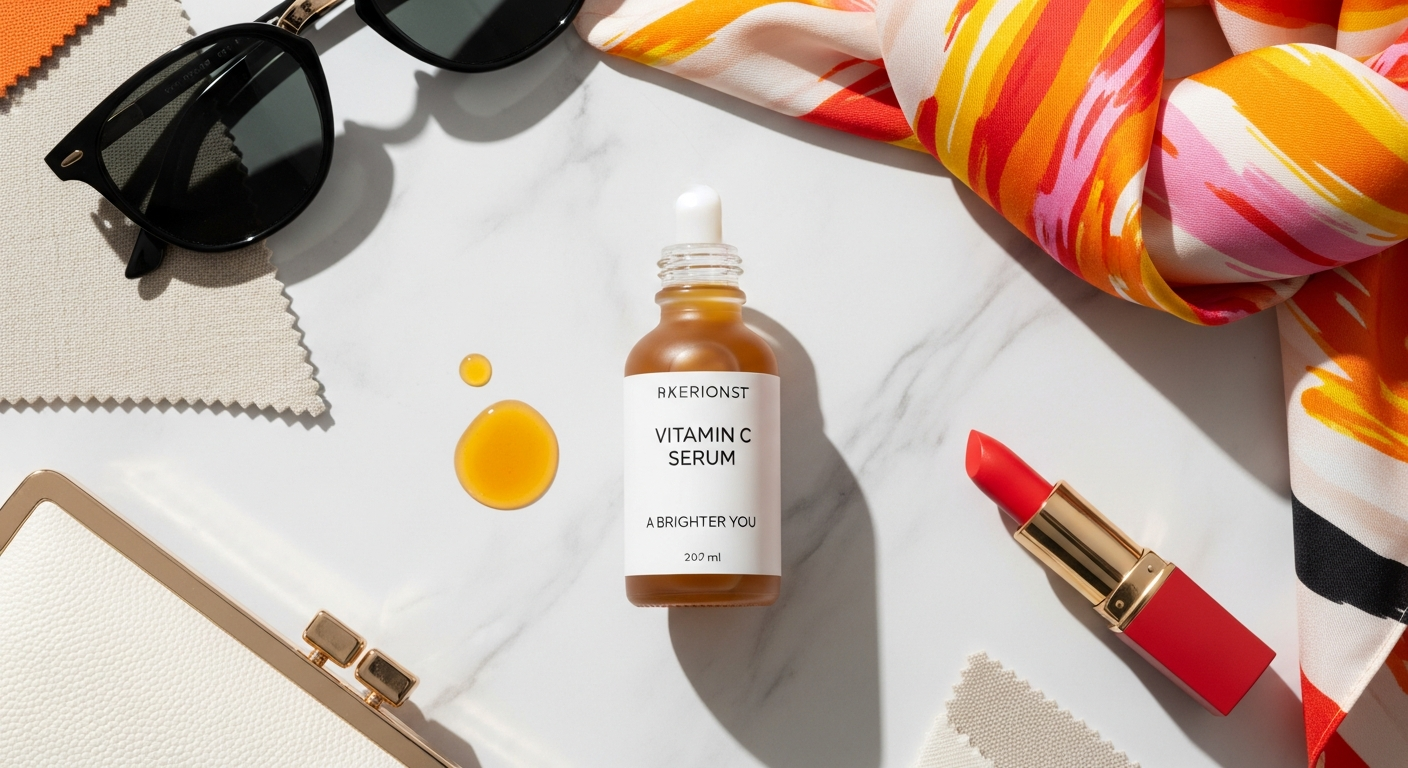
Once you’ve chosen your ideal Vitamin C serum, the next crucial step is understanding how to properly integrate it into your daily skincare routine to maximize its benefits. Like mastering the art of a perfect Lip Care Routine Soft Lips, consistency and correct application are key to achieving desired results. A strategic approach ensures your skin receives the full potency of this powerful ingredient without irritation or diminished efficacy.
When to Apply: Morning vs. Evening
The general consensus among dermatologists and skincare experts is to apply Vitamin C serum in the morning. There are several compelling reasons for this:
- Antioxidant Protection: Applying Vitamin C in the morning allows it to work synergistically with your sunscreen, providing enhanced protection against environmental aggressors like UV radiation and pollution throughout the day. Its free-radical scavenging abilities are most beneficial when your skin is exposed to these elements.
- Daytime Brightening: The brightening and tone-evening effects of Vitamin C contribute to a fresh, radiant look that is desirable for daytime wear, complementing a polished appearance.
While morning application is preferred, some individuals opt for evening application, especially if they use other potent actives like retinoids in the morning, or if they have very sensitive skin and prefer to use Vitamin C on alternate days. However, for most, a morning slot makes the most sense.
The Art of Layering: Where Does Vitamin C Fit?
Proper layering ensures each product can penetrate and perform its function effectively. The general rule of thumb is to apply products from thinnest to thickest consistency. Here’s the typical order for integrating Vitamin C serum:
- Cleanse: Start with a gentle cleanser to remove impurities, makeup, and excess oil. A clean canvas allows for better product absorption.
- Tone (Optional): If you use a toner, apply it after cleansing. Toners help to balance skin pH and provide a preliminary layer of hydration.
- Vitamin C Serum: This is where your Vitamin C serum comes in. Dispense 3-5 drops (or as directed by the product) onto your fingertips and gently press or pat it evenly over your face, neck, and décolletage. Allow a minute or two for the serum to fully absorb before moving to the next step.
- Eye Cream (Optional): If you use an eye cream, apply it after your serum.
- Moisturizer: Follow with a hydrating moisturizer to lock in the benefits of the serum and provide additional hydration. This helps to strengthen the skin barrier.
- Sunscreen (Morning Only): This step is non-negotiable for morning routines. Always finish with a broad-spectrum sunscreen with an SPF of 30 or higher. As mentioned, Vitamin C enhances sunscreen’s protective capabilities, but it does not replace it.
Patch Testing: Your Skin’s Best Friend
Before incorporating any new active ingredient like Vitamin C serum into your full routine, especially if you have sensitive skin, always perform a patch test. Apply a small amount of the product to an inconspicuous area of your skin, such as behind your ear or on your inner forearm, for a few days. Observe for any signs of redness, irritation, itching, or breakouts. If no adverse reactions occur, you can proceed with full facial application.
Consistency is Key for Visible Results
Like any effective skincare treatment, Vitamin C serum requires consistency and patience. You won’t see dramatic results overnight. Visible improvements in brightness, tone, and texture typically become apparent after several weeks of consistent daily use. Make it a non-negotiable part of your morning ritual, much like the diligent routine that leads to truly soft, healthy lips. Regular application allows the active ingredients to work cumulatively, building up protection and promoting collagen synthesis over time. Stick with it, and your skin will thank you with a radiant, healthier appearance.
Maximizing Your Glow: Pairing Vitamin C with Other Skincare Heroes
The true magic of a well-crafted skincare routine lies in the intelligent combination of ingredients that work synergistically to amplify benefits and address multiple concerns. Vitamin C serum, while powerful on its own, truly shines when paired thoughtfully with other skincare heroes. This strategic layering, much like curating French Girl Style Guide Wardrobe Essentials, focuses on essential, high-quality components that work harmoniously to create an effortlessly chic and radiant outcome for your skin.
Synergistic Ingredients: The Perfect Partners
- Vitamin E (Tocopherol) & Ferulic Acid: This trio is often considered the gold standard in antioxidant protection. Vitamin E and Ferulic Acid not only stabilize Vitamin C (especially L-ascorbic acid) but also boost its photoprotective capabilities, offering enhanced defense against UV damage and environmental pollutants. When these three are combined, their antioxidant power is significantly multiplied. Look for serums that already include these ingredients for maximum efficacy.
- Hyaluronic Acid: A humectant powerhouse, hyaluronic acid draws moisture from the air into the skin, providing intense hydration. Pairing it with Vitamin C serum helps to plump the skin, reduce the appearance of fine lines, and can also soothe any potential mild irritation that might arise from potent Vitamin C formulations. Apply your Vitamin C serum first, allow it to absorb, then follow with a hyaluronic acid serum or a moisturizer containing it.
- SPF (Sun Protection Factor): As previously mentioned, Vitamin C enhances the protective effects of sunscreen, but it does not replace it. Using a broad-spectrum SPF 30+ daily after your Vitamin C serum is non-negotiable for comprehensive defense against UV radiation and to prevent the degradation of Vitamin C’s benefits. This combination provides a formidable shield against environmental damage, preserving your skin’s youthful vitality and brightness.
- Niacinamide (Vitamin B3): There has been a long-standing myth that Vitamin C and niacinamide cannot be used together, as it was believed to create an irritating substance. However, modern research has debunked this, showing that they are perfectly safe and beneficial to combine, especially with stable forms of Vitamin C and well-formulated niacinamide products. Both ingredients are powerful brighteners and anti-inflammatory agents. If you’re concerned, use them at different times of the day (e.g., Vitamin C in the morning, niacinamide in the evening) or ensure there’s a few minutes between applications.
Ingredients to Use with Caution or Alternate Application
While Vitamin C plays well with many ingredients, there are a few that require a more strategic approach:
- Retinoids (Retinol, Tretinoin): Both Vitamin C and retinoids are highly effective anti-aging ingredients, but they both work best at different pH levels and can sometimes cause irritation when used simultaneously, especially for beginners. The common recommendation is to use Vitamin C in the morning (for antioxidant protection) and retinoids in the evening (when skin regenerates and isn’t exposed to sun). If your skin is tolerant, you might be able to use them on alternate nights or ensure a significant time gap between applications. This staggered approach allows each ingredient to perform optimally without overwhelming the skin.
- AHAs/BHAs (Alpha and Beta Hydroxy Acids): Exfoliating acids like glycolic acid, lactic acid, and salicylic acid lower the skin’s pH, which can potentially destabilize L-ascorbic acid and reduce its effectiveness. While some advanced formulations are designed to be compatible, it’s generally safer to use AHAs/BHAs in the evening on alternate nights from retinoids, or at a completely different time of day than your Vitamin C serum. For example, use Vitamin C in the morning and your exfoliating acid two to three nights a week. This ensures you receive the benefits of both without compromising either or irritating your skin.
The goal is to create a harmonious routine that addresses all your skin concerns effectively and gently. By understanding these pairings, you can unlock a truly radiant complexion, much like a carefully curated wardrobe allows for effortless elegance and confidence. A glowing, healthy face, complete with a meticulous Lip Care Routine Soft Lips, is the ultimate accessory for any style, reflecting a commitment to self-care and attention to detail.
Common Misconceptions and Tips for Success with Vitamin C Serum
Despite its widespread popularity, Vitamin C serum is often surrounded by myths and misunderstandings that can hinder users from experiencing its full potential. Dispelling these common misconceptions and offering practical tips for success will empower you to integrate this powerful antioxidant into your routine with confidence, ensuring you achieve the best possible results for a truly radiant complexion. This approach mirrors the meticulous planning required for something like a How To Build Capsule Wardrobe 2026, where careful selection and understanding lead to optimal outcomes.
Myth: More is Better
Reality: When it comes to Vitamin C serum, especially L-ascorbic acid, using more product or a higher concentration doesn’t necessarily translate to better or faster results. In fact, applying too much can lead to increased irritation, redness, and sensitivity, particularly for those with reactive skin. Your skin can only absorb a certain amount of Vitamin C at a time. Typically, 3-5 drops are sufficient for the entire face and neck. For concentrations, anything above 20% L-ascorbic acid often provides diminishing returns with an increased risk of irritation. Stick to recommended dosages and concentrations for optimal benefits without adverse effects.
Myth: Vitamin C Serum Will Turn My Skin Orange
Reality: This is a common concern, but it’s often a sign that your serum has oxidized. When L-ascorbic acid degrades, it turns into erythrulose, which can stain the skin a yellowish or orangish hue. This doesn’t mean your skin is being dyed; rather, the oxidized product is sitting on top of your skin. If your serum has turned dark orange or brown, it’s past its prime and has lost its efficacy. It’s best to discard it and replace it with a fresh bottle. To prevent oxidation, store your serum in a cool, dark place, away from direct sunlight and heat, and ensure the cap is tightly sealed after each use. Opaque and air-tight packaging is crucial here.
Myth: Vitamin C Serum Will Cause Purging
Reality: Unlike ingredients such as retinoids or AHAs/BHAs which accelerate cell turnover and can cause an initial “purge” of breakouts, Vitamin C serum typically does not cause purging. If you experience breakouts after starting a Vitamin C serum, it’s more likely due to a reaction to another ingredient in the formulation (e.g., fragrance, essential oils, or an ingredient that clogs pores) or simply a general irritation rather than a purging process. If breakouts persist, discontinue use and consult a dermatologist.
Tip for Success: Start Slowly
If you’re new to Vitamin C serum or have sensitive skin, begin by applying it every other day or a few times a week, gradually increasing frequency as your skin tolerates it. This allows your skin to acclimate to the active ingredient and minimizes the risk of irritation. Listen to your skin and adjust accordingly.
Tip for Success: Storage is Key
As discussed, Vitamin C (especially L-ascorbic acid) is highly unstable. Always store your serum in a cool, dark place, away from direct sunlight and heat. Some people even opt to store their Vitamin C serum in the refrigerator to prolong its shelf life, though this isn’t strictly necessary if the product is well-formulated and packaged. Always ensure the cap is tightly sealed immediately after use to minimize air exposure.
Tip for Success: Be Patient and Consistent
Skincare is a marathon, not a sprint. Visible results from Vitamin C serum—such as reduced hyperpigmentation, improved brightness, and increased firmness—take time. Expect to see noticeable changes after 4-8 weeks of consistent daily use. Don’t get discouraged if you don’t see immediate transformation. Regular, diligent application is the cornerstone of success, much like consistent effort is key to achieving the polished look associated with French Girl Style Guide Wardrobe Essentials.
Tip for Success: Listen to Your Skin
Your skin is unique, and what works for one person might not work for another. Pay attention to how your skin reacts to your chosen Vitamin C serum. If you experience persistent irritation, excessive dryness, or unexpected breakouts, it might be that the concentration is too high, the form of Vitamin C isn’t suitable, or there’s another ingredient causing an issue. Don’t hesitate to switch to a different formulation or consult a skincare professional for personalized advice. A healthy, comfortable complexion is the ultimate goal, just as achieving smooth, soft lips is the aim of a dedicated Lip Care Routine Soft Lips. The journey to glowing skin is a personal one, and Vitamin C serum is a powerful ally when used wisely.
The Long-Term Transformation: Sustaining Your Vitamin C Journey
Embracing Vitamin C serum into your skincare routine isn’t just about addressing immediate concerns; it’s about investing in the long-term health and resilience of your skin. The journey with Vitamin C is one of sustained benefits, where consistent application translates into enduring radiance and protection. Much like carefully curating a timeless How To Build Capsule Wardrobe 2026 that serves you year after year, establishing a consistent Vitamin C regimen builds a foundation for lasting skin vitality.
Over months and years of consistent use, the cumulative Vitamin C serum benefits for skin become profoundly evident. You’ll likely notice a sustained improvement in overall skin tone, with fewer dark spots and a more even complexion. The constant stimulation of collagen production helps maintain skin firmness and elasticity, effectively slowing down the visible signs of aging. Your skin’s natural barrier will be stronger, making it more resistant to environmental stressors and less prone to irritation. This enduring protection against free radical damage means fewer fine lines, a reduction in the depth of existing wrinkles, and a complexion that simply looks healthier and more youthful than if you hadn’t incorporated this powerhouse ingredient.
Moreover, the sustained use of Vitamin C fosters a natural, healthy glow that radiates from within. This isn’t a superficial sheen but a reflection of genuinely optimized skin health. This kind of authentic luminosity contributes to an overall aesthetic of effortless beauty, echoing the understated elegance celebrated in a <a href=”https://www.fashiongoggled.com</div>
Recommended Resources
Related reading: How To Organize A Small Closet And Maximize Space (The Contextual Life).
Explore Small Living Room Decorating Ideas for additional insights.