
What is Ethical Fashion? A Comprehensive Guide to Sustainable Style for the Modern Woman
Affiliate disclosure: This article may contain affiliate links. Recommendations are independent and editorially driven.
In the dynamic world of women’s fashion, where trends emerge and evolve at lightning speed, a fundamental shift is underway. Beyond the fleeting allure of the latest runway looks and Instagram aesthetics, a deeper conversation is taking root: what is ethical fashion? This isn’t just another passing trend; it’s a movement, a philosophy, and an essential re-evaluation of how we consume, produce, and perceive clothing. For the fashion-forward woman of 2026, understanding ethical fashion is no longer optional—it’s integral to building a responsible, stylish, and truly timeless wardrobe.
Ethical fashion, at its heart, is a holistic approach to the clothing industry that considers the entire lifecycle of a garment, from the initial sourcing of raw materials to its eventual disposal. It’s about more than just sustainability; it encompasses a broad spectrum of social, environmental, and economic responsibilities. It asks critical questions: Who made my clothes? Under what conditions were they made? What impact did their production have on the environment? And how long will this garment truly last?
For decades, the fashion industry has been largely dominated by a “fast fashion” model—a system driven by rapid production, low costs, and disposable clothing. While this has made fashion accessible, it has come at an immense cost to the planet and its people. From overflowing landfills and polluted waterways to exploitative labor practices and carbon emissions, the darker side of our sartorial choices has become impossible to ignore.
This comprehensive guide from fashiongoggled aims to demystify ethical fashion, empowering you to make informed decisions that align with your values without compromising your personal style. We’ll delve into its core principles, explore the profound impact of our fashion choices, uncover practical strategies for building a truly ethical wardrobe, and navigate the exciting innovations shaping the future of sustainable style. Prepare to transform your understanding of fashion and embark on a journey towards a more conscious and elegant way of dressing.
The Core Pillars of Ethical Fashion: More Than Just a Buzzword
To truly grasp “what is ethical fashion,” we must understand its foundational pillars. These aren’t isolated concepts but interconnected principles that collectively define a responsible and sustainable approach to clothing. Ethical fashion isn’t a single checkbox; it’s a commitment to continuous improvement across multiple dimensions, ensuring that every stitch, dye, and fiber contributes positively to the world.
Environmental Stewardship: Reducing Fashion’s Footprint
The fashion industry is notoriously one of the largest polluters globally. Environmental stewardship in ethical fashion means actively minimizing this negative impact at every stage of production and consumption. This pillar focuses on respecting and regenerating our planet’s natural resources.
- Sustainable Materials: This is often the first point of entry for many into ethical fashion. It involves prioritizing materials that have a lower environmental footprint. This includes:
- Organic Fibers: Cotton, linen, and hemp grown without harmful pesticides, herbicides, or synthetic fertilizers.
- Recycled Materials: Utilizing post-consumer or post-industrial waste, such as recycled polyester (RPET) made from plastic bottles, recycled cotton, or regenerated nylon.
- Innovative & Bio-based Fibers: Exploring new frontiers like Tencel™ Lyocell (made from eucalyptus wood pulp using a closed-loop system), Piñatex (pineapple leaf fiber), Mylo™ (mushroom leather), or even fabrics derived from orange peels or coffee grounds. These often require fewer resources and are biodegradable.
- Resource Conservation: Fashion is incredibly resource-intensive. Ethical practices aim to reduce the consumption of vital resources:
- Water: Denim production, for instance, traditionally uses thousands of liters of water per pair of jeans. Ethical brands employ water-saving technologies like ozone washing, laser finishing, or waterless dyeing methods.
- Energy: Minimizing energy consumption through efficient manufacturing processes, using renewable energy sources (solar, wind), and reducing transportation distances.
- Waste Reduction (Circular Fashion): The linear “take-make-dispose” model is highly unsustainable. Ethical fashion champions a circular economy, where waste is designed out of the system:
- Zero-Waste Design: Patterns and cutting techniques that utilize nearly 100% of the fabric.
- Upcycling & Recycling: Giving new life to existing garments or materials, preventing them from ending up in landfills.
- Durability & Longevity: Designing clothes to last, encouraging repair, resale, and extended use rather than frequent replacement.
- Pollution Prevention: Preventing harmful substances from entering our ecosystems:
- Non-Toxic Dyes & Finishes: Using dyes free from heavy metals, AZO compounds, and other toxic chemicals, and employing eco-friendly finishing treatments.
- Microplastic Mitigation: Addressing the issue of synthetic fabrics shedding microplastics during washing, by innovating new materials or filtration systems.
Social Responsibility: Protecting People and Communities
Beyond environmental concerns, ethical fashion is fundamentally about human rights and fair treatment. This pillar addresses the social impact of the industry, ensuring that all individuals involved in the supply chain are treated with dignity and respect.
- Fair Labor Practices: This is arguably the most critical aspect of social responsibility. It means ensuring that workers throughout the supply chain receive:
- Living Wages: Wages that are sufficient to cover basic needs, not just minimum wage.
- Safe and Healthy Working Conditions: Factories free from hazards, proper ventilation, safety equipment, and reasonable working hours.
- No Child Labor or Forced Labor: Strict adherence to international labor laws and human rights.
- Freedom of Association: The right for workers to form or join unions and collectively bargain.
- Transparency and Traceability: To ensure fair practices, brands must be open about their supply chains. This involves:
- Mapping the Supply Chain: Knowing where materials come from, who processes them, and where garments are cut and sewn.
- Public Disclosure: Sharing information about factories, audits, and labor practices with consumers.
- Empowerment and Community Development: Ethical fashion often seeks to uplift communities:
- Supporting Artisans: Preserving traditional crafts and ensuring fair compensation for skilled artisans in developing regions.
- Local Economies: Investing in local communities, creating jobs, and fostering economic growth where garments are produced.
- Gender Equality: Addressing gender disparities often prevalent in garment manufacturing, promoting women in leadership, and providing support services.
- Animal Welfare: For brands that use animal products, ethical practices dictate respectful treatment of animals:
- Cruelty-Free Practices: Ensuring animals are not subjected to cruel or inhumane treatment in the sourcing of wool, leather, down, or silk.
- Vegan Alternatives: Offering high-quality, sustainable alternatives to animal-derived materials for those who prefer them.
Understanding these pillars provides a robust framework for evaluating brands and making informed choices that align with a vision of a more just and sustainable fashion future. It’s about recognizing that fashion has the power not just to adorn us, but to influence the world.
Why Ethical Fashion Matters: Impact on Planet, People, and Your Wardrobe
Moving beyond definitions, it’s crucial to explore the profound “why” behind ethical fashion. The choices we make as consumers have far-reaching consequences, extending beyond our personal style to impact the environment, societies, and even our own financial well-being. Embracing ethical fashion isn’t just a trend; it’s a conscious decision to contribute to a healthier planet and a more equitable society.
[INLINE IMAGE 1: place after second H2 | alt=”what is ethical fashion concept illustration”]
Environmental Impact: From Farm to Landfill
The scale of environmental damage caused by conventional fashion is staggering. From the cultivation of raw materials to the disposal of finished garments, every stage of the industry’s linear model leaves a significant footprint.
- Resource Depletion: Cotton, while natural, is incredibly thirsty, requiring vast amounts of water and often pesticides that degrade soil and water quality. Polyester, a synthetic fiber, is derived from fossil fuels, a non-renewable resource.
- Water Pollution: Dyeing and finishing processes are notorious for releasing toxic chemicals and heavy metals into waterways, contaminating ecosystems and threatening human health. The Aral Sea disaster, partly due to cotton irrigation, serves as a stark warning.
- Carbon Emissions: The entire supply chain—from farming, manufacturing, and transportation to retail and consumer care—contributes significantly to greenhouse gas emissions, accelerating climate change.
- Waste Crisis: The sheer volume of clothing produced and discarded annually is overwhelming. An estimated 85% of textiles end up in landfills, where synthetic fabrics can take hundreds of years to decompose, and even natural fibers release methane, a potent greenhouse gas. Fast fashion’s constant cycles exacerbate this problem, turning clothing into single-use items.
- Microplastic Pollution: Synthetic fabrics like polyester, nylon, and acrylic shed tiny plastic fibers (microplastics) every time they are washed. These microplastics enter our oceans, are ingested by marine life, and have even been found in the human food chain and air.
Social Impact: The Human Cost of Fast Fashion
Behind the cheap prices and rapid production cycles of fast fashion lies a deeply troubling human story. The relentless demand for lower costs and quicker turnarounds often leads to severe exploitation.
- Exploitative Labor: Millions of garment workers, predominantly women in developing countries, work long hours for poverty wages in unsafe conditions. Factory collapses, fires, and exposure to toxic chemicals are not uncommon. The infamous Rana Plaza collapse in Bangladesh in 2013, which killed over 1,100 garment workers, brought this crisis into sharp global focus.
- Child Labor and Forced Labor: Despite international condemnation, instances of child labor and forced labor persist in various parts of the fashion supply chain, particularly in raw material cultivation and early-stage manufacturing.
- Gender Inequality: The vast majority of garment workers are women, who often face systemic discrimination, harassment, and lack of representation in management roles. Ethical fashion strives to empower these women through fair wages, safe environments, and opportunities for advancement.
- Health and Safety Risks: Workers are often exposed to hazardous chemicals used in dyeing, tanning, and finishing processes without adequate protection, leading to severe health problems.
Economic Impact: Supporting Sustainable Growth
Ethical fashion also has a distinct economic dimension, challenging the race to the bottom that defines much of the conventional industry.
- Fair Distribution of Value: Ethical brands ensure that a larger share of the profit reaches the producers and workers, rather than being concentrated solely at the top of the supply chain.
- Investment in Quality and Longevity: By focusing on durable, well-made garments, ethical fashion shifts consumer spending from frequent, low-cost purchases to fewer, higher-quality investments. This can lead to a more stable industry that values craftsmanship.
- Local Economies: Supporting artisans and small-scale producers often means investing in local economies, fostering entrepreneurship, and preserving traditional skills.
- Innovation and Green Jobs: The push for sustainable materials and processes drives innovation, creating new technologies and green jobs that benefit the economy in the long run.
Personal Impact: Aligning Values with Style
Beyond the global implications, ethical fashion also impacts you directly as a consumer and individual.
- Conscience and Peace of Mind: Knowing that your clothing choices do not contribute to exploitation or environmental harm provides a sense of peace and alignment with your personal values. It’s empowering to know your style is a force for good.
- Higher Quality and Longevity: Ethical garments are often made with superior materials and craftsmanship, meaning they last longer, reduce the need for frequent replacements, and often look better over time. This translates to better value for money in the long run.
- Unique and Expressive Style: Moving away from mass-produced fast fashion allows you to curate a more unique and personal wardrobe, featuring distinctive pieces from independent ethical designers or vintage finds.
- Mindful Consumption: Engaging with ethical fashion encourages a more thoughtful approach to shopping, fostering a deeper appreciation for the items you own and a greater understanding of their origins. It promotes a more conscious lifestyle overall.
In essence, ethical fashion isn’t about sacrifice; it’s about making smarter, more meaningful choices that benefit everyone—the planet, the people who make our clothes, and ourselves. It’s about redefining luxury, not just as opulence, but as integrity, quality, and positive impact.
Navigating the Ethical Fashion Landscape: Certifications, Labels, and What They Mean
As interest in “what is ethical fashion” grows, so too does the number of brands claiming sustainability or ethical practices. This can create a confusing landscape for consumers eager to make responsible choices. Understanding various certifications, labels, and the tell-tale signs of greenwashing is crucial for navigating this evolving market effectively.
Understanding Key Certifications
Certifications are third-party verifications that a product, material, or company meets specific environmental or social standards. They provide an independent assurance that a brand’s claims hold true.
- GOTS (Global Organic Textile Standard): This is one of the most respected certifications for organic fibers. It ensures that textiles are made from at least 70% organic natural fibers and mandates strict environmental and social criteria throughout the entire supply chain, from harvesting raw materials to environmentally and socially responsible manufacturing, and labeling. It covers everything from pesticide-free farming to fair labor practices.
- Fair Trade Certified: Primarily focuses on social justice. For apparel, it typically means that farmers and factory workers receive fair wages and have safe working conditions, often with a community development fund for local projects. It promotes direct trade relationships and empowers producers.
- B Corp Certification: This isn’t specific to fashion but certifies entire companies that meet rigorous standards of social and environmental performance, accountability, and transparency. A B Corp is legally required to consider the impact of their decisions on their workers, customers, suppliers, community, and the environment.
- Oeko-Tex Standard 100: This certification focuses on human ecological safety, ensuring that textile products are free from harmful substances at all stages of production. While it doesn’t cover environmental impact or labor practices of the production process, it guarantees the finished product is safe for consumer use.
- bluesign® System: A comprehensive system that eliminates harmful substances from the very beginning of the manufacturing process. It sets standards for environmentally friendly and safe production, ensuring that fabrics are sustainably produced, from raw material to finished product, minimizing water, energy, and chemical usage.
- PETA-Approved Vegan: Certifies that a product is made without any animal-derived materials, explicitly excluding leather, wool, silk, down, and fur.
- RDS (Responsible Down Standard) / RWS (Responsible Wool Standard): These standards ensure that down and wool come from animals that have not been subjected to unnecessary harm, focusing on animal welfare throughout the supply chain.
Decoding Brand Claims: Greenwashing vs. Genuine Commitment
With “sustainable” and “ethical” becoming powerful marketing terms, many brands engage in “greenwashing”—making misleading claims to appear more environmentally or socially responsible than they actually are. Learning to spot greenwashing is a key skill for a conscious consumer.
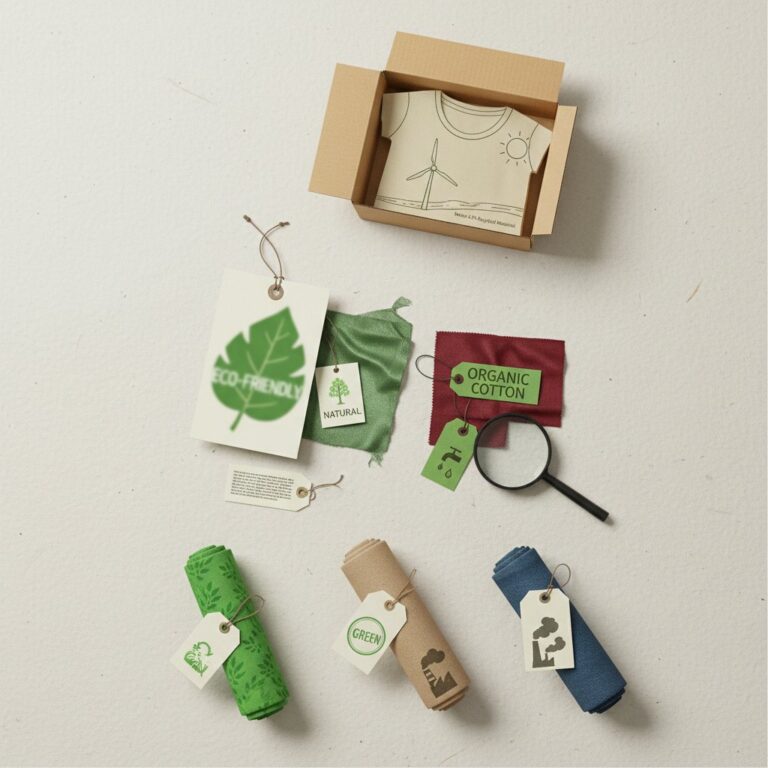
- Vague Language: Be wary of terms like “eco-friendly,” “natural,” “green,” or “sustainable” without specific details or supporting evidence. What makes it “eco-friendly”? How is it “sustainable”?
- Lack of Transparency: Genuine ethical brands are typically open about their supply chains, factory locations, and certifications. If a brand avoids providing specifics or hides behind general statements, it’s a red flag.
- Focus on a Single Attribute: A brand might highlight one positive attribute (e.g., using organic cotton) while ignoring other significant issues (e.g., exploitative labor practices, excessive water use, non-recyclable packaging). True ethical fashion is holistic.
- Misleading Imagery: Pictures of nature, green leaves, or happy farmers don’t necessarily equate to ethical practices. Look for substance behind the aesthetics.
- Affiliation with Fast Fashion: Many large fast fashion retailers now have “conscious collections.” While any step towards sustainability is welcome, these often represent a tiny fraction of their overall production and may still be underpinned by their core fast-fashion model. Evaluate if it’s a genuine shift or a marketing tactic.
- Lack of Certifications: While not every small ethical brand can afford every certification, a complete absence of any third-party verification, especially for larger brands, should raise questions.
Tools and Resources for Ethical Shopping
Thankfully, a growing ecosystem of tools and resources can help you navigate the ethical fashion world:
- Ethical Fashion Directories: Websites like Good On You, Remake, and Fashion Revolution provide ratings and information on thousands of brands, evaluating them on environmental impact, labor conditions, and animal welfare.
- Apps: Many of these directories also have accompanying apps that allow you to quickly check a brand’s ethics while you’re shopping.
- Documentaries & Books: Engaging with educational content like “The True Cost” documentary or books on sustainable fashion can deepen your understanding and empower your choices.
- Brand Websites: Reputable ethical brands will have dedicated “Sustainability” or “Our Ethics” sections on their websites, detailing their practices, supply chains, and certifications. Look for reports, impact assessments, and clear data.
Becoming an informed consumer requires a little effort, but the ability to discern genuine ethical commitment from mere marketing claims is incredibly empowering. It allows you to invest your money in brands that truly align with your values, contributing to a more responsible and transparent fashion industry.
Building an Ethical Capsule Wardrobe: Practical Steps for a Stylish & Conscious Closet
The concept of “what is ethical fashion” seamlessly integrates with the popular trend of the capsule wardrobe. Combining these two powerful ideas allows you to curate a stylish, versatile, and consciously created collection of clothing that truly serves your lifestyle. Moving towards an ethical capsule wardrobe is a journey, not a sprint, and involves intentional choices that prioritize quality, longevity, and positive impact.
Assess Your Current Wardrobe and Needs
Before you buy anything new, the first step is to understand what you already own. This practice is foundational to both ethical consumption and capsule wardrobe building.
- Declutter and Audit: Go through every item in your closet. Ask yourself: When did I last wear this? Does it fit? Does it make me feel good? Is it repairable? Categorize items into “keep,” “donate/sell/repurpose,” and “discard” (responsibly, if possible).
- Identify Gaps and Overlaps: Notice what you truly wear most often. Are there key pieces missing that would make your existing items more versatile? Are there items you have too many of? This helps prevent impulse purchases and focuses on building a functional wardrobe.
- Define Your Style and Lifestyle: What are your go-to aesthetics? What do you spend most of your time doing? Your capsule should reflect your authentic self and daily activities, ensuring every piece has a purpose.
Prioritize Quality Over Quantity: The Investment Piece Mindset
This is a cornerstone of both ethical fashion and capsule wardrobes. Instead of buying numerous cheap, trendy items, invest in fewer, higher-quality pieces that will last.
- Durability and Craftsmanship: Look for well-made garments with strong seams, quality fabrics, and attention to detail. Ethical brands often excel here, as they are not driven by rapid production.
- Timeless Design: Opt for classic silhouettes, neutral colors, and versatile designs that won’t go out of style quickly. These pieces form the backbone of your capsule.
- Cost Per Wear: While an ethical piece might have a higher upfront cost, its longevity means a lower “cost per wear” over its lifespan compared to a cheap item that quickly falls apart.
| Criteria | Ethical/Sustainable Fashion | Fast Fashion |
|---|---|---|
| Primary Focus | Environmental protection, social justice, quality, longevity, circularity | Trend replication, rapid production, low cost, high volume, disposability |
| Material Sourcing | Organic, recycled, innovative, low-impact, traceable materials | Conventional cotton, synthetic fibers (polyester), often untraceable origins |
| Production Process | Fair labor, safe conditions, reduced water/energy/chemical use, transparent supply chains | Exploitative labor, unsafe factories, high resource consumption, opaque supply chains |
| Product Quality & Longevity | High quality, durable, designed to last, often repairable | Low quality, designed for short-term wear, quickly falls apart, difficult to repair |
| Environmental Impact | Minimized footprint, reduced waste, lower emissions, focus on circularity | High pollution (water, air, soil), massive waste generation, significant carbon footprint |
| Social Impact | Empowerment of workers, fair wages, safe workplaces, community development | Exploitation, low wages, unsafe conditions, child labor risks, poor human rights |
| Price Point | Generally higher upfront cost reflecting true cost of production and ethical practices | Very low, often unsustainably cheap prices |
| Consumer Engagement | Mindful consumption, investment mindset, appreciation for craftsmanship | Impulse buying, trend-driven, disposable mentality |
Embrace Secondhand and Vintage: The Circular Economy in Action
The most sustainable garment is often one that already exists. Shopping secondhand is an excellent way to reduce your environmental impact and find unique pieces.
- Thrift Stores & Consignment: A treasure trove for unique finds at affordable prices.
- Online Resale Platforms: Websites and apps like The RealReal, Poshmark, ThredUp, and Vestiaire Collective make it easy to buy and sell pre-loved designer and everyday clothing.
- Vintage Shops: Discovering one-of-a-kind pieces with history adds character to your wardrobe and promotes circularity.
- Clothing Swaps: Organize or join events where you exchange clothes with friends or community members.
Support Ethical Brands: Research and Discovery
When you do buy new, direct your purchasing power towards brands committed to ethical and sustainable practices.
- Do Your Research: Use ethical directories (like Good On You), read brand transparency reports, and look for clear certifications.
- Small & Independent Brands: Many smaller brands are founded on ethical principles and offer unique, high-quality items.
- Know Your Values: Decide which aspects of ethical fashion are most important to you (e.g., fair labor, vegan, organic materials) and prioritize brands that excel in those areas.
Care for Your Clothes: Extending Longevity
The lifespan of a garment is significantly impacted by how you care for it. Proper care reduces the need for replacements and minimizes environmental impact.
- Follow Care Labels: Pay attention to washing, drying, and ironing instructions.
- Wash Less, Wash Cold: Over-washing and hot water can degrade fabrics. Spot clean when possible and opt for cold water cycles.
- Air Dry: Tumble dryers consume a lot of energy and can damage clothes. Air drying is gentler and more eco-friendly.
- Gentle Detergents: Choose eco-friendly detergents free from harsh chemicals.
Repair, Repurpose, Recycle: Closing the Loop
When an item shows signs of wear, don’t immediately discard it. Give it a second life.
- Repair: Learn basic mending skills (sewing on a button, patching a hole) or take items to a tailor for professional repair. Many ethical brands even offer repair services.
- Repurpose/Upcycle: Transform old clothes into something new – cut jeans into shorts, turn a dress into a skirt, or use old fabric for cleaning rags.
- Recycle Responsibly: If an item is truly beyond repair or repurpose, look for textile recycling programs in your area. Many brands now offer take-back programs for their old garments. Avoid putting textiles in regular trash if possible.
Discover how to build a minimalist wardrobe for sustainable style.
By consciously integrating these practices into your fashion routine, you’re not just building a more sustainable wardrobe; you’re cultivating a deeper connection to your clothes, celebrating craftsmanship, and actively participating in a movement that prioritizes people and planet over profit and pollution. An ethical capsule wardrobe becomes a powerful statement of your values, beautifully expressed through your personal style.
Key Materials and Innovations in Ethical Fashion
A fundamental aspect of “what is ethical fashion” involves understanding the materials that form our garments. The choice of fabric has a profound impact on the environment, from cultivation and processing to dyeing and disposal. The industry is constantly innovating, moving beyond conventional cotton and polyester to embrace more sustainable and revolutionary alternatives.
Natural Fibers: Organic Cotton, Linen, Hemp, Ramie, Tencel, Modal
While natural fibers are generally biodegradable, their cultivation and processing can vary greatly in terms of sustainability. Ethical fashion prioritizes those grown with minimal environmental impact.
- Organic Cotton: Grown without synthetic pesticides, fertilizers, or genetically modified organisms (GMOs). This protects soil health, biodiversity, and the health of farmers. Look for GOTS certification.
- Linen: Made from flax plants, linen is incredibly durable, breathable, and naturally thermoregulating. Flax requires significantly less water and fewer pesticides than conventional cotton, and nearly every part of the plant can be used, leaving little waste. It is also biodegradable.
- Hemp: A “miracle fiber” for its sustainability credentials. Hemp grows quickly, requires very little water, needs no pesticides, enriches the soil, and yields strong, durable fibers. It softens with wear and is highly breathable.
- Ramie: Also known as “China grass,” ramie is a bast fiber similar to linen and hemp. It’s strong, lustrous, resistant to wrinkles, and requires minimal pesticides. While its processing can be energy-intensive, advancements are making it more sustainable.
- Tencel™ Lyocell & Modal: These are branded regenerated cellulosic fibers from Austrian company Lenzing. They are made from sustainably sourced wood pulp (eucalyptus for Lyocell, beech for Modal) using a closed-loop production process. This means solvents are recycled and reused, minimizing waste and pollution. They are known for their softness, drape, and breathability.
Recycled Materials: RPET, Recycled Cotton, Recycled Wool
Recycling existing materials reduces waste, conserves resources (like water and energy), and lessens the demand for virgin resources. This is a crucial component of the circular economy.
- Recycled Polyester (RPET): Made from post-consumer plastic bottles or textile waste, RPET diverts plastic from landfills and oceans. While still a synthetic fiber with microplastic concerns, it’s a significant improvement over virgin polyester as it doesn’t require new fossil fuels.
- Recycled Cotton: Made from pre-consumer (factory scraps) or post-consumer (old clothes) cotton waste. This dramatically reduces the need for new cotton cultivation, saving water and land. It often requires blending with virgin fibers for strength, but innovation is improving.
- Recycled Wool: Repurposes discarded wool garments or textile waste. This saves sheep from being farmed for new wool, conserves water and land, and reduces the environmental impact of wool processing.
- Econyl®: A regenerated nylon made from nylon waste like fishing nets, fabric scraps, carpet flooring, and industrial plastic from landfills and oceans. It has the same qualities as virgin nylon but can be recycled and regenerated indefinitely.
Innovative & Bio-based Materials: Piñatex, Mylo, Orange Fiber, Qmonos
The cutting edge of ethical fashion involves developing entirely new materials that often utilize agricultural waste or biotechnology, offering exciting alternatives to traditional fabrics and animal products.
- Piñatex®: An innovative, natural, and sustainable non-woven textile made from pineapple leaf fibers, a byproduct of the pineapple harvest. It offers a leather-like texture and is a cruelty-free alternative to animal leather.
- Mylo™ (Mushroom Leather): Developed by Bolt Threads, Mylo is a material made from mycelium, the root structure of mushrooms. It’s grown in a lab using minimal resources, offering a sustainable and scalable alternative to animal leather with a similar look and feel.
- Orange Fiber: A fabric made from the byproduct of citrus juice production. This luxurious, silk-like material utilizes waste that would otherwise be discarded, turning it into a valuable textile resource.
- Qmonos™: A synthetic spider silk developed by Spiber Inc. Using a fermentation process similar to brewing beer, this protein-based fiber is extremely strong and lightweight, offering a sustainable alternative to traditional silk without animal involvement.
- Grape Leather: Utilizing waste from wine production (grape skins, stalks, and seeds) to create a bio-based material that mimics leather.
- Algae-Based Dyes and Fibers: Researchers are exploring the use of algae to create both pigments for dyeing and even fibers for textiles, leveraging its rapid growth and carbon-capturing properties.
[INLINE IMAGE 2: place after fourth H2 | alt=”what is ethical fashion comparison illustration”]
Dyes and Finishing: Low-Impact Dyes, Waterless Dyeing, Eco-Friendly Treatments
The dyeing and finishing stages are often where the most environmental harm occurs in conventional fashion. Ethical innovation focuses on minimizing this impact.
- Low-Impact Dyes: These dyes require less water, fewer chemicals, and lower temperatures, resulting in reduced energy consumption and cleaner wastewater. Natural dyes derived from plants, minerals, or insects are also gaining traction.
- Waterless Dyeing Technologies: Techniques like air-dyeing (using pressurized CO2 instead of water) or digital printing (which reduces dye and water waste) are revolutionary steps towards reducing water consumption in textile processing.
- Eco-Friendly Finishing Treatments: Avoiding finishes that contain heavy metals, formaldehyde, or other harmful chemicals. Instead, opting for processes that use non-toxic, biodegradable agents for anti-wrinkle, water-repellent, or stain-resistant properties.
The landscape of ethical materials is constantly evolving, presenting exciting opportunities for both brands and consumers to make choices that are kinder to the planet and its inhabitants. As you deepen your understanding of “what is ethical fashion,” paying attention to these material innovations will be key to staying at the forefront of sustainable style.
The Challenges and Future of Ethical Fashion
While the momentum behind “what is ethical fashion” is undeniable, the journey towards a fully sustainable and equitable industry is fraught with challenges. However, these challenges also spark innovation and collaboration, painting an exciting, if complex, picture of the future of fashion.
Overcoming Barriers: Cost, Accessibility, Consumer Education
One of the most persistent hurdles for ethical fashion is the perception and reality of its cost. Sustainable practices often come with higher price tags, which can be a barrier for many consumers.
- Higher Production Costs: Ethical sourcing of materials (e.g., organic cotton vs. conventional), fair wages, safe working conditions, and eco-friendly processing methods are inherently more expensive than cutting corners. These costs are reflected in the final price.
- Scale and Infrastructure: Sustainable materials and production methods sometimes lack the scale and established infrastructure of conventional systems, making them less cost-effective in the short term.
- Accessibility: Ethical fashion brands may not be as widely available as fast fashion giants, particularly in physical retail spaces. This limits options for consumers who prefer to shop in person or in diverse styles.
- Consumer Education and Perception: Many consumers are still unaware of the true costs of fast fashion or the benefits of ethical alternatives. There’s a need to shift the narrative from “expensive sustainable clothing” to “investing in quality and values.” Educating consumers on concepts like “cost per wear” and the hidden environmental/social costs of cheap clothing is crucial.
- Greenwashing: As discussed, the prevalence of misleading claims makes it difficult for consumers to trust brands and identify genuinely ethical options, leading to cynicism and inaction.
The Role of Technology: Blockchain, AI for Transparency
Technology is poised to play a transformative role in overcoming transparency challenges and accelerating sustainable practices.
- Blockchain for Supply Chain Traceability: Blockchain’s immutable ledger system can record every step of a garment’s journey—from raw material to retail—creating an unalterable, verifiable, and transparent history. This can combat greenwashing and assure consumers of ethical sourcing.
- Artificial Intelligence (AI) and Machine Learning: AI can optimize production processes to reduce waste, predict demand more accurately to prevent overproduction, and even help designers create more sustainable designs. Machine learning algorithms can analyze vast datasets to identify efficiencies in energy and water usage.
- 3D Design & Virtual Prototyping: Designing and visualizing garments in 3D reduces the need for physical samples, saving materials, time, and shipping emissions during the design phase.
- Biotechnology & Material Science: Continued innovation in developing bio-based materials (like mushroom leather, citrus fibers) and creating more efficient ways to recycle textiles will be vital. Biotechnology could also lead to lab-grown fibers and dyes.
- Digital Product Passports: Technologies that allow consumers to scan a QR code on a garment to access its full lifecycle data, including materials, origin, care instructions, and recycling options, empowering informed choices.
Policy and Regulation: Government’s Influence
While consumer demand and brand innovation are powerful, governmental policies and regulations are essential to drive systemic change.
- Extended Producer Responsibility (EPR): Legislation that holds brands accountable for the entire lifecycle of their products, including disposal and recycling. This incentivizes design for longevity and recyclability.
- Mandatory Transparency Laws: Governments can mandate that fashion companies disclose their supply chain practices, labor conditions, and environmental impact.
- Bans on Harmful Chemicals: Regulating or banning the use of toxic chemicals in textile production.
- Incentives for Sustainable Practices: Tax breaks, grants, or subsidies for companies investing in sustainable technologies, fair labor practices, or circular business models.
- International Collaboration: Addressing
What is Ethical Fashion? A Comprehensive Guide to Sustainable Style for the Modern Woman
Affiliate disclosure: This article may contain affiliate links. Recommendations are independent and editorially driven.
In the dynamic world of women’s fashion, where trends emerge and evolve at lightning speed, a fundamental shift is underway. Beyond the fleeting allure of the latest runway looks and Instagram aesthetics, a deeper conversation is taking root: what is ethical fashion? This isn’t just another passing trend; it’s a movement, a philosophy, and an essential re-evaluation of how we consume, produce, and perceive clothing. For the fashion-forward woman of 2026, understanding ethical fashion is no longer optional—it’s integral to building a responsible, stylish, and truly timeless wardrobe.
Ethical fashion, at its heart, is a holistic approach to the clothing industry that considers the entire lifecycle of a garment, from the initial sourcing of raw materials to its eventual disposal. It’s about more than just sustainability; it encompasses a broad spectrum of social, environmental, and economic responsibilities. It asks critical questions: Who made my clothes? Under what conditions were they made? What impact did their production have on the environment? And how long will this garment truly last?
For decades, the fashion industry has been largely dominated by a “fast fashion” model—a system driven by rapid production, low costs, and disposable clothing. While this has made fashion accessible, it has come at an immense cost to the planet and its people. From overflowing landfills and polluted waterways to exploitative labor practices and carbon emissions, the darker side of our sartorial choices has become impossible to ignore.
This comprehensive guide from fashiongoggled aims to demystify ethical fashion, empowering you to make informed decisions that align with your values without compromising your personal style. We’ll delve into its core principles, explore the profound impact of our fashion choices, uncover practical strategies for building a truly ethical wardrobe, and navigate the exciting innovations shaping the future of sustainable style. Prepare to transform your understanding of fashion and embark on a journey towards a more conscious and elegant way of dressing.
The Core Pillars of Ethical Fashion: More Than Just a Buzzword
To truly grasp “what is ethical fashion,” we must understand its foundational pillars. These aren’t isolated concepts but interconnected principles that collectively define a responsible and sustainable approach to clothing. Ethical fashion isn’t a single checkbox; it’s a commitment to continuous improvement across multiple dimensions, ensuring that every stitch, dye, and fiber contributes positively to the world.
Environmental Stewardship: Reducing Fashion’s Footprint
The fashion industry is notoriously one of the largest polluters globally. Environmental stewardship in ethical fashion means actively minimizing this negative impact at every stage of production and consumption. This pillar focuses on respecting and regenerating our planet’s natural resources.
- Sustainable Materials: This is often the first point of entry for many into ethical fashion. It involves prioritizing materials that have a lower environmental footprint. This includes:
- Organic Fibers: Cotton, linen, and hemp grown without harmful pesticides, herbicides, or synthetic fertilizers.
- Recycled Materials: Utilizing post-consumer or post-industrial waste, such as recycled polyester (RPET) made from plastic bottles, recycled cotton, or regenerated nylon.
- Innovative & Bio-based Fibers: Exploring new frontiers like Tencel™ Lyocell (made from eucalyptus wood pulp using a closed-loop system), Piñatex (pineapple leaf fiber), Mylo™ (mushroom leather), or even fabrics derived from orange peels or coffee grounds. These often require fewer resources and are biodegradable.
- Resource Conservation: Fashion is incredibly resource-intensive. Ethical practices aim to reduce the consumption of vital resources:
- Water: Denim production, for instance, traditionally uses thousands of liters of water per pair of jeans. Ethical brands employ water-saving technologies like ozone washing, laser finishing, or waterless dyeing methods.
- Energy: Minimizing energy consumption through efficient manufacturing processes, using renewable energy sources (solar, wind), and reducing transportation distances.
- Waste Reduction (Circular Fashion): The linear “take-make-dispose” model is highly unsustainable. Ethical fashion champions a circular economy, where waste is designed out of the system:
- Zero-Waste Design: Patterns and cutting techniques that utilize nearly 100% of the fabric.
- Upcycling & Recycling: Giving new life to existing garments or materials, preventing them from ending up in landfills.
- Durability & Longevity: Designing clothes to last, encouraging repair, resale, and extended use rather than frequent replacement.
- Pollution Prevention: Preventing harmful substances from entering our ecosystems:
- Non-Toxic Dyes & Finishes: Using dyes free from heavy metals, AZO compounds, and other toxic chemicals, and employing eco-friendly finishing treatments.
- Microplastic Mitigation: Addressing the issue of synthetic fabrics shedding microplastics during washing, by innovating new materials or filtration systems.
Social Responsibility: Protecting People and Communities
Beyond environmental concerns, ethical fashion is fundamentally about human rights and fair treatment. This pillar addresses the social impact of the industry, ensuring that all individuals involved in the supply chain are treated with dignity and respect.
- Fair Labor Practices: This is arguably the most critical aspect of social responsibility. It means ensuring that workers throughout the supply chain receive:
- Living Wages: Wages that are sufficient to cover basic needs, not just minimum wage.
- Safe and Healthy Working Conditions: Factories free from hazards, proper ventilation, safety equipment, and reasonable working hours.
- No Child Labor or Forced Labor: Strict adherence to international labor laws and human rights.
- Freedom of Association: The right for workers to form or join unions and collectively bargain.
- Transparency and Traceability: To ensure fair practices, brands must be open about their supply chains. This involves:
- Mapping the Supply Chain: Knowing where materials come from, who processes them, and where garments are cut and sewn.
- Public Disclosure: Sharing information about factories, audits, and labor practices with consumers.
- Empowerment and Community Development: Ethical fashion often seeks to uplift communities:
- Supporting Artisans: Preserving traditional crafts and ensuring fair compensation for skilled artisans in developing regions.
- Local Economies: Investing in local communities, creating jobs, and fostering economic growth where garments are produced.
- Gender Equality: Addressing gender disparities often prevalent in garment manufacturing, promoting women in leadership, and providing support services.
- Animal Welfare: For brands that use animal products, ethical practices dictate respectful treatment of animals:
- Cruelty-Free Practices: Ensuring animals are not subjected to cruel or inhumane treatment in the sourcing of wool, leather, down, or silk.
- Vegan Alternatives: Offering high-quality, sustainable alternatives to animal-derived materials for those who prefer them.
Understanding these pillars provides a robust framework for evaluating brands and making informed choices that align with a vision of a more just and sustainable fashion future. It’s about recognizing that fashion has the power not just to adorn us, but to influence the world.
Why Ethical Fashion Matters: Impact on Planet, People, and Your Wardrobe
Moving beyond definitions, it’s crucial to explore the profound “why” behind ethical fashion. The choices we make as consumers have far-reaching consequences, extending beyond our personal style to impact the environment, societies, and even our own financial well-being. Embracing ethical fashion isn’t just a trend; it’s a conscious decision to contribute to a healthier planet and a more equitable society.
[INLINE IMAGE 1: place after second H2 | alt=”what is ethical fashion concept illustration”]
Environmental Impact: From Farm to Landfill
The scale of environmental damage caused by conventional fashion is staggering. From the cultivation of raw materials to the disposal of finished garments, every stage of the industry’s linear model leaves a significant footprint.
- Resource Depletion: Cotton, while natural, is incredibly thirsty, requiring vast amounts of water and often pesticides that degrade soil and water quality. Polyester, a synthetic fiber, is derived from fossil fuels, a non-renewable resource.
- Water Pollution: Dyeing and finishing processes are notorious for releasing toxic chemicals and heavy metals into waterways, contaminating ecosystems and threatening human health. The Aral Sea disaster, partly due to cotton irrigation, serves as a stark warning.
- Carbon Emissions: The entire supply chain—from farming, manufacturing, and transportation to retail and consumer care—contributes significantly to greenhouse gas emissions, accelerating climate change.
- Waste Crisis: The sheer volume of clothing produced and discarded annually is overwhelming. An estimated 85% of textiles end up in landfills, where synthetic fabrics can take hundreds of years to decompose, and even natural fibers release methane, a potent greenhouse gas. Fast fashion’s constant cycles exacerbate this problem, turning clothing into single-use items.
- Microplastic Pollution: Synthetic fabrics like polyester, nylon, and acrylic shed tiny plastic fibers (microplastics) every time they are washed. These microplastics enter our oceans, are ingested by marine life, and have even been found in the human food chain and air.
Social Impact: The Human Cost of Fast Fashion
Behind the cheap prices and rapid production cycles of fast fashion lies a deeply troubling human story. The relentless demand for lower costs and quicker turnarounds often leads to severe exploitation.
- Exploitative Labor: Millions of garment workers, predominantly women in developing countries, work long hours for poverty wages in unsafe conditions. Factory collapses, fires, and exposure to toxic chemicals are not uncommon. The infamous Rana Plaza collapse in Bangladesh in 2013, which killed over 1,100 garment workers, brought this crisis into sharp global focus.
- Child Labor and Forced Labor: Despite international condemnation, instances of child labor and forced labor persist in various parts of the fashion supply chain, particularly in raw material cultivation and early-stage manufacturing.
- Gender Inequality: The vast majority of garment workers are women, who often face systemic discrimination, harassment, and lack of representation in management roles. Ethical fashion strives to empower these women through fair wages, safe environments, and opportunities for advancement.
- Health and Safety Risks: Workers are often exposed to hazardous chemicals used in dyeing, tanning, and finishing processes without adequate protection, leading to severe health problems.
Economic Impact: Supporting Sustainable Growth
Ethical fashion also has a distinct economic dimension, challenging the race to the bottom that defines much of the conventional industry.
- Fair Distribution of Value: Ethical brands ensure that a larger share of the profit reaches the producers and workers, rather than being concentrated solely at the top of the supply chain.
- Investment in Quality and Longevity: By focusing on durable, well-made garments, ethical fashion shifts consumer spending from frequent, low-cost purchases to fewer, higher-quality investments. This can lead to a more stable industry that values craftsmanship.
- Local Economies: Supporting artisans and small-scale producers often means investing in local economies, fostering entrepreneurship, and preserving traditional skills.
- Innovation and Green Jobs: The push for sustainable materials and processes drives innovation, creating new technologies and green jobs that benefit the economy in the long run.
Personal Impact: Aligning Values with Style
Beyond the global implications, ethical fashion also impacts you directly as a consumer and individual.
- Conscience and Peace of Mind: Knowing that your clothing choices do not contribute to exploitation or environmental harm provides a sense of peace and alignment with your personal values. It’s empowering to know your style is a force for good.
- Higher Quality and Longevity: Ethical garments are often made with superior materials and craftsmanship, meaning they last longer, reduce the need for frequent replacements, and often look better over time. This translates to better value for money in the long run.
- Unique and Expressive Style: Moving away from mass-produced fast fashion allows you to curate a more unique and personal wardrobe, featuring distinctive pieces from independent ethical designers or vintage finds.
- Mindful Consumption: Engaging with ethical fashion encourages a more thoughtful approach to shopping, fostering a deeper appreciation for the items you own and a greater understanding of their origins. It promotes a more conscious lifestyle overall.
In essence, ethical fashion isn’t about sacrifice; it’s about making smarter, more meaningful choices that benefit everyone—the planet, the people who make our clothes, and ourselves. It’s about redefining luxury, not just as opulence, but as integrity, quality, and positive impact.
Navigating the Ethical Fashion Landscape: Certifications, Labels, and What They Mean
As interest in “what is ethical fashion” grows, so too does the number of brands claiming sustainability or ethical practices. This can create a confusing landscape for consumers eager to make responsible choices. Understanding various certifications, labels, and the tell-tale signs of greenwashing is crucial for navigating this evolving market effectively.
Understanding Key Certifications
Certifications are third-party verifications that a product, material, or company meets specific environmental or social standards. They provide an independent assurance that a brand’s claims hold true.
- GOTS (Global Organic Textile Standard): This is one of the most respected certifications for organic fibers. It ensures that textiles are made from at least 70% organic natural fibers and mandates strict environmental and social criteria throughout the entire supply chain, from harvesting raw materials to environmentally and socially responsible manufacturing, and labeling. It covers everything from pesticide-free farming to fair labor practices.
- Fair Trade Certified: Primarily focuses on social justice. For apparel, it typically means that farmers and factory workers receive fair wages and have safe working conditions, often with a community development fund for local projects. It promotes direct trade relationships and empowers producers.
- B Corp Certification: This isn’t specific to fashion but certifies entire companies that meet rigorous standards of social and environmental performance, accountability, and transparency. A B Corp is legally required to consider the impact of their decisions on their workers, customers, suppliers, community, and the environment.
- Oeko-Tex Standard 100: This certification focuses on human ecological safety, ensuring that textile products are free from harmful substances at all stages of production. While it doesn’t cover environmental impact or labor practices of the production process, it guarantees the finished product is safe for consumer use.
- bluesign® System: A comprehensive system that eliminates harmful substances from the very beginning of the manufacturing process. It sets standards for environmentally friendly and safe production, ensuring that fabrics are sustainably produced, from raw material to finished product, minimizing water, energy, and chemical usage.
- PETA-Approved Vegan: Certifies that a product is made without any animal-derived materials, explicitly excluding leather, wool, silk, down, and fur.
- RDS (Responsible Down Standard) / RWS (Responsible Wool Standard): These standards ensure that down and wool come from animals that have not been subjected to unnecessary harm, focusing on animal welfare throughout the supply chain.
Decoding Brand Claims: Greenwashing vs. Genuine Commitment
With “sustainable” and “ethical” becoming powerful marketing terms, many brands engage in “greenwashing”—making misleading claims to appear more environmentally or socially responsible than they actually are. Learning to spot greenwashing is a key skill for a conscious consumer.
- Vague Language: Be wary of terms like “eco-friendly,” “natural,” “green,” or “sustainable” without specific details or supporting evidence. What makes it “eco-friendly”? How is it “sustainable”?
- Lack of Transparency: Genuine ethical brands are typically open about their supply chains, factory locations, and certifications. If a brand avoids providing specifics or hides behind general statements, it’s a red flag.
- Focus on a Single Attribute: A brand might highlight one positive attribute (e.g., using organic cotton) while ignoring other significant issues (e.g., exploitative labor practices, excessive water use, non-recyclable packaging). True ethical fashion is holistic.
- Misleading Imagery: Pictures of nature, green leaves, or happy farmers don’t necessarily equate to ethical practices. Look for substance behind the aesthetics.
- Affiliation with Fast Fashion: Many large fast fashion retailers now have “conscious collections.” While any step towards sustainability is welcome, these often represent a tiny fraction of their overall production and may still be underpinned by their core fast-fashion model. Evaluate if it’s a genuine shift or a marketing tactic.
- Lack of Certifications: While not every small ethical brand can afford every certification, a complete absence of any third-party verification, especially for larger brands, should raise questions.
Tools and Resources for Ethical Shopping
Thankfully, a growing ecosystem of tools and resources can help you navigate the ethical fashion world:
- Ethical Fashion Directories: Websites like Good On You, Remake, and Fashion Revolution provide ratings and information on thousands of brands, evaluating them on environmental impact, labor conditions, and animal welfare.
- Apps: Many of these directories also have accompanying apps that allow you to quickly check a brand’s ethics while you’re shopping.
- Documentaries & Books: Engaging with educational content like “The True Cost” documentary or books on sustainable fashion can deepen your understanding and empower your choices.
- Brand Websites: Reputable ethical brands will have dedicated “Sustainability” or “Our Ethics” sections on their websites, detailing their practices, supply chains, and certifications. Look for reports, impact assessments, and clear data.
Becoming an informed consumer requires a little effort, but the ability to discern genuine ethical commitment from mere marketing claims is incredibly empowering. It allows you to invest your money in brands that truly align with your values, contributing to a more responsible and transparent fashion industry.
Building an Ethical Capsule Wardrobe: Practical Steps for a Stylish & Conscious Closet
The concept of “what is ethical fashion” seamlessly integrates with the popular trend of the capsule wardrobe. Combining these two powerful ideas allows you to curate a stylish, versatile, and consciously created collection of clothing that truly serves your lifestyle. Moving towards an ethical capsule wardrobe is a journey, not a sprint, and involves intentional choices that prioritize quality, longevity, and positive impact.
Assess Your Current Wardrobe and Needs
Before you buy anything new, the first step is to understand what you already own. This practice is foundational to both ethical consumption and capsule wardrobe building.
- Declutter and Audit: Go through every item in your closet. Ask yourself: When did I last wear this? Does it fit? Does it make me feel good? Is it repairable? Categorize items into “keep,” “donate/sell/repurpose,” and “discard” (responsibly, if possible).
- Identify Gaps and Overlaps: Notice what you truly wear most often. Are there key pieces missing that would make your existing items more versatile? Are there items you have too many of? This helps prevent impulse purchases and focuses on building a functional wardrobe.
- Define Your Style and Lifestyle: What are your go-to aesthetics? What do you spend most of your time doing? Your capsule should reflect your authentic self and daily activities, ensuring every piece has a purpose.
Prioritize Quality Over Quantity: The Investment Piece Mindset
This is a cornerstone of both ethical fashion and capsule wardrobes. Instead of buying numerous cheap, trendy items, invest in fewer, higher-quality pieces that will last.
- Durability and Craftsmanship: Look for well-made garments with strong seams, quality fabrics, and attention to detail. Ethical brands often excel here, as they are not driven by rapid production.
- Timeless Design: Opt for classic silhouettes, neutral colors, and versatile designs that won’t go out of style quickly. These pieces form the backbone of your capsule.
- Cost Per Wear: While an ethical piece might have a higher upfront cost, its longevity means a lower “cost per wear” over its lifespan compared to a cheap item that quickly falls apart.
Ethical Fashion vs. Fast Fashion: A Comparative Overview Criteria Ethical/Sustainable Fashion Fast Fashion Primary Focus Environmental protection, social justice, quality, longevity, circularity Trend replication, rapid production, low cost, high volume, disposability Material Sourcing Organic, recycled, innovative, low-impact, traceable materials Conventional cotton, synthetic fibers (polyester), often untraceable origins Production Process Fair labor, safe conditions, reduced water/energy/chemical use, transparent supply chains Exploitative labor, unsafe factories, high resource consumption, opaque supply chains Product Quality & Longevity High quality, durable, designed to last, often repairable Low quality, designed for short-term wear, quickly falls apart, difficult to repair Environmental Impact Minimized footprint, reduced waste, lower emissions, focus on circularity High pollution (water, air, soil), massive waste generation, significant carbon footprint Social Impact Empowerment of workers, fair wages, safe workplaces, community development Exploitation, low wages, unsafe conditions, child labor risks, poor human rights Price Point Generally higher upfront cost reflecting true cost of production and ethical practices Very low, often unsustainably cheap prices Consumer Engagement Mindful consumption, investment mindset, appreciation for craftsmanship Impulse buying, trend-driven, disposable mentality Embrace Secondhand and Vintage: The Circular Economy in Action
The most sustainable garment is often one that already exists. Shopping secondhand is an excellent way to reduce your environmental impact and find unique pieces.
- Thrift Stores & Consignment: A treasure trove for unique finds at affordable prices.
- Online Resale Platforms: Websites and apps like The RealReal, Poshmark, ThredUp, and Vestiaire Collective make it easy to buy and sell pre-loved designer and everyday clothing.
- Vintage Shops: Discovering one-of-a-kind pieces with history adds character to your wardrobe and promotes circularity.
- Clothing Swaps: Organize or join events where you exchange clothes with friends or community members.
Support Ethical Brands: Research and Discovery
When you do buy new, direct your purchasing power towards brands committed to ethical and sustainable practices.
- Do Your Research: Use ethical directories (like Good On You), read brand transparency reports, and look for clear certifications.
- Small & Independent Brands: Many smaller brands are founded on ethical principles and offer unique, high-quality items.
- Know Your Values: Decide which aspects of ethical fashion are most important to you (e.g., fair labor, vegan, organic materials) and prioritize brands that excel in those areas.
Care for Your Clothes: Extending Longevity
The lifespan of a garment is significantly impacted by how you care for it. Proper care reduces the need for replacements and minimizes environmental impact.
- Follow Care Labels: Pay attention to washing, drying, and ironing instructions.
- Wash Less, Wash Cold: Over-washing and hot water can degrade fabrics. Spot clean when possible and opt for cold water cycles.
- Air Dry: Tumble dryers consume a lot of energy and can damage clothes. Air drying is gentler and more eco-friendly.
- Gentle Detergents: Choose eco-friendly detergents free from harsh chemicals.
Repair, Repurpose, Recycle: Closing the Loop
When an item shows signs of wear, don’t immediately discard it. Give it a second life.
- Repair: Learn basic mending skills (sewing on a button, patching a hole) or take items to a tailor for professional repair. Many ethical brands even offer repair services.
- Repurpose/Upcycle: Transform old clothes into something new – cut jeans into shorts, turn a dress into a skirt, or use old fabric for cleaning rags.
- Recycle Responsibly: If an item is truly beyond repair or repurpose, look for textile recycling programs in your area. Many brands now offer take-back programs for their old garments. Avoid putting textiles in regular trash if possible.
Discover how to build a minimalist wardrobe for sustainable style.
By consciously integrating these practices into your fashion routine, you’re not just building a more sustainable wardrobe; you’re cultivating a deeper connection to your clothes, celebrating craftsmanship, and actively participating in a movement that prioritizes people and planet over profit and pollution. An ethical capsule wardrobe becomes a powerful statement of your values, beautifully expressed through your personal style.
Key Materials and Innovations in Ethical Fashion
A fundamental aspect of “what is ethical fashion” involves understanding the materials that form our garments. The choice of fabric has a profound impact on the environment, from cultivation and processing to dyeing and disposal. The industry is constantly innovating, moving beyond conventional cotton and polyester to embrace more sustainable and revolutionary alternatives.
Natural Fibers: Organic Cotton, Linen, Hemp, Ramie, Tencel, Modal
While natural fibers are generally biodegradable, their cultivation and processing can vary greatly in terms of sustainability. Ethical fashion prioritizes those grown with minimal environmental impact.
- Organic Cotton: Grown without synthetic pesticides, fertilizers, or genetically modified organisms (GMOs). This protects soil health, biodiversity, and the health of farmers. Look for GOTS certification.
- Linen: Made from flax plants, linen is incredibly durable, breathable, and naturally thermoregulating. Flax requires significantly less water and fewer pesticides than conventional cotton, and nearly every part of the plant can be used, leaving little waste. It is also biodegradable.
- Hemp: A “miracle fiber” for its sustainability credentials. Hemp grows quickly, requires very little water, needs no pesticides, enriches the soil, and yields strong, durable fibers. It softens with wear and is highly breathable.
- Ramie: Also known as “China grass,” ramie is a bast fiber similar to linen and hemp. It’s strong, lustrous, resistant to wrinkles, and requires minimal pesticides. While its processing can be energy-intensive, advancements are making it more sustainable.
- Tencel™ Lyocell & Modal: These are branded regenerated cellulosic fibers from Austrian company Lenzing. They are made from sustainably sourced wood pulp (eucalyptus for Lyocell, beech for Modal) using a closed-loop production process. This means solvents are recycled and reused, minimizing waste and pollution. They are known for their softness, drape, and breathability.
Recycled Materials: RPET, Recycled Cotton, Recycled Wool
Recycling existing materials reduces waste, conserves resources (like water and energy), and lessens the demand for virgin resources. This is a crucial component of the circular economy.
- Recycled Polyester (RPET): Made from post-consumer plastic bottles or textile waste, RPET diverts plastic from landfills and oceans. While still a synthetic fiber with microplastic concerns, it’s a significant improvement over virgin polyester as it doesn’t require new fossil fuels.
- Recycled Cotton: Made from pre-consumer (factory scraps) or post-consumer (old clothes) cotton waste. This dramatically reduces the need for new cotton cultivation, saving water and land. It often requires blending with virgin fibers for strength, but innovation is improving.
- Recycled Wool: Repurposes discarded wool garments or textile waste. This saves sheep from being farmed for new wool, conserves water and land, and reduces the environmental impact of wool processing.
- Econyl®: A regenerated nylon made from nylon waste like fishing nets, fabric scraps, carpet flooring, and industrial plastic from landfills and oceans. It has the same qualities as virgin nylon but can be recycled and regenerated indefinitely.
Innovative & Bio-based Materials: Piñatex, Mylo, Orange Fiber, Qmonos
The cutting edge of ethical fashion involves developing entirely new materials that often utilize agricultural waste or biotechnology, offering exciting alternatives to traditional fabrics and animal products.
- Piñatex®: An innovative, natural, and sustainable non-woven textile made from pineapple leaf fibers, a byproduct of the pineapple harvest. It offers a leather-like texture and is a cruelty-free alternative to animal leather.
- Mylo™ (Mushroom Leather): Developed by Bolt Threads, Mylo is a material made from mycelium, the root structure of mushrooms. It’s grown in a lab using minimal resources, offering a sustainable and scalable alternative to animal leather with a similar look and feel.
- Orange Fiber: A fabric made from the byproduct of citrus juice production. This luxurious, silk-like material utilizes waste that would otherwise be discarded, turning it into a valuable textile resource.
- Qmonos™: A synthetic spider silk developed by Spiber Inc. Using a fermentation process similar to brewing beer, this protein-based fiber is extremely strong and lightweight, offering a sustainable alternative to traditional silk without animal involvement.
- Grape Leather: Utilizing waste from wine production (grape skins, stalks, and seeds) to create a bio-based material that mimics leather.
- Algae-Based Dyes and Fibers: Researchers are exploring the use of algae to create both pigments for dyeing and even fibers for textiles, leveraging its rapid growth and carbon-capturing properties.
[INLINE IMAGE 2: place after fourth H2 | alt=”what is ethical fashion comparison illustration”]
Dyes and Finishing: Low-Impact Dyes, Waterless Dyeing, Eco-Friendly Treatments
The dyeing and finishing stages are often where the most environmental harm occurs in conventional fashion. Ethical innovation focuses on minimizing this impact.
- Low-Impact Dyes: These dyes require less water, fewer chemicals, and lower temperatures, resulting in reduced energy consumption and cleaner wastewater. Natural dyes derived from plants, minerals, or insects are also gaining traction.
- Waterless Dyeing Technologies: Techniques like air-dyeing (using pressurized CO2 instead of water) or digital printing (which reduces dye and water waste) are revolutionary steps towards reducing water consumption in textile processing.
- Eco-Friendly Finishing Treatments: Avoiding finishes that contain heavy metals, formaldehyde, or other harmful chemicals. Instead, opting for processes that use non-toxic, biodegradable agents for anti-wrinkle, water-repellent, or stain-resistant properties.
The landscape of ethical materials is constantly evolving, presenting exciting opportunities for both brands and consumers to make choices that are kinder to the planet and its inhabitants. As you deepen your understanding of “what is ethical fashion,” paying attention to these material innovations will be key to staying at the forefront of sustainable style.
The Challenges and Future of Ethical Fashion
While the momentum behind “what is ethical fashion” is undeniable, the journey towards a fully sustainable and equitable industry is fraught with challenges. However, these challenges also spark innovation and collaboration, painting an exciting, if complex, picture of the future of fashion.
Overcoming Barriers: Cost, Accessibility, Consumer Education
One of the most persistent hurdles for ethical fashion is the perception and reality of its cost. Sustainable practices often come with higher price tags, which can be a barrier for many consumers.
- Higher Production Costs: Ethical sourcing of materials (e.g., organic cotton vs. conventional), fair wages, safe working conditions, and eco-friendly processing methods are inherently more expensive than cutting corners. These costs are reflected in the final price.
- Scale and Infrastructure: Sustainable materials and production methods sometimes lack the scale and established infrastructure of conventional systems, making them less cost-effective in the short term.
- Accessibility: Ethical fashion brands may not be as widely available as fast fashion giants, particularly in physical retail spaces. This limits options for consumers who prefer to shop in person or in diverse styles.
- Consumer Education and Perception: Many consumers are still unaware of the true costs of fast fashion or the benefits of ethical alternatives. There’s a need to shift the narrative from “expensive sustainable clothing” to “investing in quality and values.” Educating consumers on concepts like “cost per wear” and the hidden environmental/social costs of cheap clothing is crucial.
- Greenwashing: As discussed, the prevalence of misleading claims makes it difficult for consumers to trust brands and identify genuinely ethical options, leading to cynicism and inaction.
The Role of Technology: Blockchain, AI for Transparency
Technology is poised to play a transformative role in overcoming transparency challenges and accelerating sustainable practices.
- Blockchain for Supply Chain Traceability: Blockchain’s immutable ledger system can record every step of a garment’s journey—from raw material to retail—creating an unalterable, verifiable, and transparent history. This can combat greenwashing and assure consumers of ethical sourcing.
- Artificial Intelligence (AI) and Machine Learning: AI can optimize production processes to reduce waste, predict demand more accurately to prevent overproduction, and even help designers create more sustainable designs. Machine learning algorithms can analyze vast datasets to identify efficiencies in energy and water usage.
- 3D Design & Virtual Prototyping: Designing and visualizing garments in 3D reduces the need for physical samples, saving materials, time, and shipping emissions during the design phase.
- Biotechnology & Material Science: Continued innovation in developing bio-based materials (like mushroom leather, citrus fibers) and creating more efficient ways to recycle textiles will be vital. Biotechnology could also lead to lab-grown fibers and dyes.
- Digital Product Passports: Technologies that allow consumers to scan a QR code on a garment to access its full lifecycle data, including materials, origin, care instructions, and recycling options, empowering informed choices.
Policy and Regulation: Government’s Influence
While consumer demand and brand innovation are powerful, governmental policies and regulations are essential to drive systemic change.
- Extended Producer Responsibility (EPR): Legislation that holds brands accountable for the entire lifecycle of their products, including disposal and recycling. This incentivizes design for longevity and recyclability.
- Mandatory Transparency Laws: Governments can mandate that fashion companies disclose their supply chain practices, labor conditions, and environmental impact.
- Bans on Harmful Chemicals: Regulating or banning the use of toxic chemicals in textile production.
- Incentives for Sustainable Practices: Tax breaks, grants, or subsidies for companies investing in sustainable technologies, fair labor practices, or circular business models.
- International Collaboration: Addressing
- Sustainable Materials: This is often the first point of entry for many into ethical fashion. It involves prioritizing materials that have a lower environmental footprint. This includes: