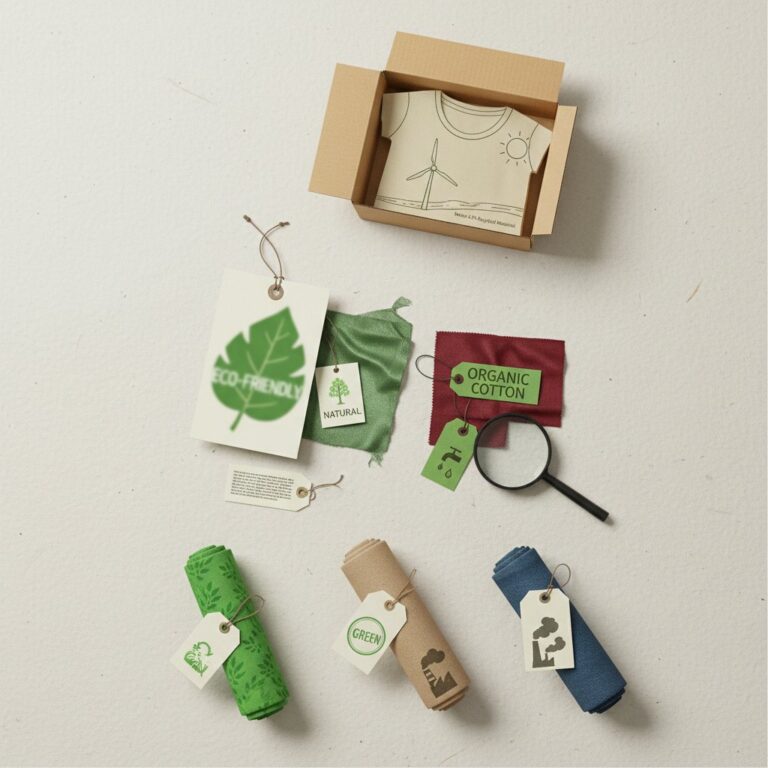

Intentional Shopping Fashion: Crafting Your Wardrobe with Purpose and Style
Affiliate disclosure: This article may contain affiliate links. Recommendations are independent and editorially driven.
In an era defined by rapid trends and constant consumerism, the concept of intentional shopping fashion has emerged as a powerful counter-narrative. It’s more than just a fleeting trend; it’s a philosophy, a conscious approach to curating a wardrobe that truly reflects your values, enhances your personal style, and respects the planet. At fashiongoggled, we believe that fashion should be empowering, expressive, and ethical. This comprehensive guide will take you deep into the world of intentional shopping, offering actionable strategies to transform your relationship with your clothes, from the initial desire to the final wear.
For too long, the fashion industry has encouraged a cycle of impulse buying, fast consumption, and rapid disposal. This model has led to overflowing closets, depleted bank accounts, and significant environmental impact. Intentional shopping fashion seeks to break this cycle, inviting you to pause, reflect, and make choices that serve your long-term style goals and align with a more sustainable lifestyle. It’s about quality over quantity, timelessness over trends, and personal connection over fleeting satisfaction.
Whether you’re new to the concept or looking to deepen your commitment to conscious consumption, this article will equip you with the knowledge and tools to build a wardrobe that not only looks fantastic but also feels authentic and responsible. From understanding your personal style to making informed purchasing decisions and caring for your garments, we’ll cover every facet of this transformative approach to fashion.
What is Intentional Shopping Fashion? Defining a Mindful Approach to Your Wardrobe
At its core, intentional shopping fashion is the practice of making deliberate, thoughtful decisions about every item you bring into your wardrobe. It’s a stark contrast to impulsive buying or succumbing to the relentless pressure of fast fashion. Instead, it encourages a holistic view of your clothes, considering their journey from production to your closet and beyond.
Beyond Impulse: The Philosophy of Conscious Consumption
The philosophy of intentional shopping extends far beyond just choosing “ethical” brands. It begins with a deep dive into self-awareness: understanding your true style, your needs, your lifestyle, and what genuinely makes you feel good. It asks critical questions before a purchase: Do I truly need this? Does it fit my existing wardrobe? Is it a quality item that will last? Is it aligned with my values regarding sustainability and labor practices?
This approach transforms shopping from a reactive, often stress-induced activity into a proactive, joyful process. It cultivates a sense of gratitude for the items you own, encourages creativity in styling, and ultimately leads to a more cohesive, functional, and personally expressive wardrobe.
Key Principles Guiding Intentional Fashion Choices
- Purposeful Acquisition: Every purchase serves a clear role in your wardrobe, filling a genuine need or enhancing existing pieces.
- Quality Over Quantity: Prioritizing well-made garments that withstand time and wear, reducing the need for frequent replacements.
- Personal Style Cohesion: Ensuring new items integrate seamlessly with your existing aesthetic, rather than creating disjointed outfits.
- Value Alignment: Supporting brands and practices that reflect your ethical and environmental concerns.
- Longevity and Care: Viewing garments as long-term investments that deserve proper care, extending their lifespan.
- Mindful Consumption: Resisting the urge to buy simply for the sake of buying, fostering contentment with what you have.
By embracing these principles, intentional shopping fashion empowers you to be the curator of your own style story, rather than a passive consumer of trends. It’s an investment not just in your wardrobe, but in a more sustainable future and a more authentic self.
Why Embrace Intentional Shopping? The Multifaceted Benefits
Shifting from reactive to intentional shopping fashion offers a cascade of benefits that impact not only your closet but also your finances, your mental well-being, and the planet. This isn’t just about being “good”; it’s about being smart, strategic, and ultimately, more satisfied with your fashion choices.
[INLINE IMAGE 1: place after second H2 | alt=”intentional shopping fashion concept illustration”]
Financial Freedom: Saving Money in the Long Run
While intentional pieces might sometimes have a higher upfront cost, they almost invariably lead to significant savings over time. Fast fashion, with its low prices and fleeting trends, encourages constant consumption. These items often wear out quickly, requiring frequent replacement, which secretly adds up. Intentional shoppers, on the other hand, invest in durable, versatile pieces that last for years, reducing the overall expenditure on clothing. Less frequent shopping means fewer impulse buys and more money saved or allocated to other priorities. It’s a strategic financial choice that prioritizes value and longevity over immediate gratification.
Environmental Impact: Reducing Your Carbon Footprint
The fashion industry is a major contributor to environmental degradation, from excessive water use and chemical pollution in production to mountains of textile waste in landfills. Intentional shopping directly addresses these issues. By choosing fewer, higher-quality items, you reduce demand for new production, which in turn conserves resources and lessens pollution. Prioritizing brands with sustainable practices, opting for recycled or organic materials, and extending the life of your garments all contribute to a significantly smaller environmental footprint. This approach aligns perfectly with global efforts towards a more circular economy and a healthier planet.
Personal Style & Confidence: Crafting a Cohesive Look
One of the most immediate and tangible benefits of intentional shopping fashion is the transformation of your personal style. When every item in your wardrobe is chosen with purpose, you eliminate the “nothing to wear” dilemma. Your closet becomes a curated collection of pieces that fit well, flatter your figure, and truly reflect who you are. This cohesion leads to greater versatility, allowing you to create numerous outfits from a smaller selection of garments. The result is increased confidence, knowing that your style is authentic, polished, and effortlessly chic, rather than a haphazard assortment of trends.
Mental Well-being: Less Clutter, More Clarity
The psychological benefits of intentional shopping are often overlooked but profoundly impactful. A cluttered closet often mirrors a cluttered mind. Overwhelm, decision fatigue, and even guilt can arise from an abundance of clothes that don’t fit, don’t suit your style, or simply sit unworn. Intentional shopping encourages decluttering and maintaining a well-organized, functional wardrobe. This streamlined approach reduces stress, frees up mental energy, and cultivates a sense of calm and control. It brings joy back to getting dressed each day, fostering a more positive relationship with your appearance and your belongings.
Ethical Considerations: Supporting Fair Labor Practices
Beyond environmental concerns, intentional shopping also shines a light on the human cost of fashion. Many fast fashion brands rely on exploitative labor practices, paying unfair wages and operating in unsafe conditions. Intentional shopping provides an opportunity to support brands committed to ethical production, fair wages, and safe working environments. By researching and choosing companies that prioritize human rights, you become a part of the movement towards a more just and equitable industry. Your purchasing power becomes a vote for positive change, ensuring that the people who make your clothes are treated with dignity and respect.
The Pillars of Intentional Shopping Fashion: Foundations for a Mindful Wardrobe
To successfully integrate intentional shopping into your fashion journey, it helps to understand the foundational principles that guide this approach. These pillars serve as a framework, helping you make informed decisions and build a wardrobe that is both stylish and sustainable.
Self-Awareness: Understanding Your Style, Needs, and Lifestyle
The very first step in intentional shopping fashion is looking inward. Before you can build a wardrobe that serves you, you need to understand yourself.
Defining Your Personal Style Aesthetic
What truly resonates with you? Is it minimalist, bohemian, classic, edgy, or a blend? Take time to explore what colors, silhouettes, and textures make you feel your best. Create a mood board, scroll through Pinterest, or simply pay attention to outfits that catch your eye and why. This isn’t about copying trends but identifying your unique fashion voice. Consider your core values and how they might translate into your clothing choices.
Assessing Your Lifestyle Needs
Your clothes should support your life, not complicate it. Do you work in a corporate office, a creative studio, or from home? Do you spend weekends hiking, at social events, or relaxing? A professional will need different pieces than a stay-at-home parent or an artist. Be realistic about your daily activities and how much time you dedicate to different aspects of your life. This assessment helps prioritize functional pieces that you’ll actually wear, ensuring your wardrobe is practical for your everyday reality.
Identifying Gaps and Overlaps in Your Current Wardrobe
Before buying anything new, audit what you already own. What pieces do you wear constantly? What rarely sees the light of day? Are there essential gaps (e.g., a versatile blazer, a comfortable pair of everyday shoes) that, once filled, would unlock more outfits? Or do you have five similar black sweaters, indicating an overlap? This crucial step prevents redundant purchases and highlights genuine needs, laying the groundwork for a more efficient and effective shopping list.
Research and Knowledge: Becoming an Informed Consumer
Armed with self-awareness, the next pillar involves external investigation. Intentional shopping fashion thrives on information.
Understanding Materials and Fabric Properties
Not all fabrics are created equal. Research common materials like cotton, linen, silk, wool, Tencel, modal, polyester, and nylon. Learn about their origins, how they’re produced, their durability, care requirements, and environmental impact. For instance, organic cotton is a better choice than conventional cotton due to reduced pesticide use, and recycled polyester helps divert plastic from landfills. Knowing your fabrics empowers you to choose pieces that last longer, feel better, and align with your sustainability goals.
Investigating Brands and Their Practices (Ethics, Sustainability)
Transparency is key. Look beyond pretty marketing and delve into a brand’s actual practices. Do they disclose their supply chain? What are their labor conditions like? Do they use sustainable materials and manufacturing processes? Certifications (like Fair Trade, GOTS, B Corp) can be good indicators, but also read independent reviews and reports. Supporting ethical and sustainable brands means your money contributes to positive change.
Learning About Garment Construction and Quality Indicators
How can you tell if a garment is well-made? Look for strong, even stitching, reinforced seams, matching patterns, durable zippers, and quality buttons. Fabric composition and weight also play a role. A higher-quality piece might feel more substantial, drape better, and be less prone to pilling or stretching. Educating yourself on these details will help you differentiate between a fleeting trend item and a true wardrobe investment.
Quality and Longevity: Investing in Durable Pieces
The cornerstone of intentional shopping fashion is the shift from disposability to durability.
The “Cost Per Wear” Mindset
Instead of focusing on the initial price tag, consider the “cost per wear.” A $20 t-shirt worn 5 times costs $4 per wear. A $100 high-quality t-shirt worn 100 times costs $1 per wear. This mindset reveals that investing in well-made, more expensive items can be more economical in the long run, as they endure countless washes and wears, maintaining their shape and appearance.
Identifying Investment Pieces vs. Trend Items
Investment pieces are timeless staples that form the backbone of your wardrobe – a classic trench coat, a tailored blazer, a versatile pair of jeans, a little black dress. These items transcend seasons and trends. Trend items, on the other hand, are fun for expressing current styles but should be approached judiciously. Intentional shoppers prioritize investment pieces and choose trend items sparingly, often opting for pre-owned or easily recyclable options when indulging in passing fads.
Sustainability and Ethics: Aligning Values with Purchases
This pillar is about the broader impact of your fashion choices.
Sustainable Materials and Production Processes
Seek out items made from environmentally friendly materials like organic cotton, linen, hemp, recycled fabrics (e.g., recycled polyester, regenerated nylon), Tencel, or Modal. Look for brands that employ water-saving technologies, reduce waste, and use non-toxic dyes. Every choice you make contributes to a more sustainable supply chain.
Ethical Labor and Supply Chain Transparency
This goes back to researching brands. Are workers paid a living wage? Do they have safe working conditions? Is there child labor or forced labor in their supply chain? Brands with clear transparency reports and third-party certifications demonstrate a commitment to ethical practices. Your purchases are a powerful tool to encourage fair treatment for garment workers worldwide.
Circular Fashion Principles (Repair, Reuse, Recycle)
Intentional shopping fashion embraces the principles of a circular economy. This means not just buying better, but also extending the life of what you own through repair, repurposing, and proper care. When a garment reaches the end of its wearable life, consider recycling it appropriately rather than sending it to a landfill. Think beyond the purchase and consider the entire lifecycle of a garment.
Practical Strategies for Intentional Wardrobe Building
Transitioning to intentional shopping fashion requires more than just a mindset shift; it demands actionable strategies. Here’s how to put the pillars into practice and build a wardrobe that genuinely serves you.
[INLINE IMAGE 2: place after fourth H2 | alt=”intentional shopping fashion comparison illustration”]
Conducting a Thorough Wardrobe Audit and Declutter
Before you even think about buying new, assess what you already have. This is arguably the most critical first step.
The “Love It, Need It, Maybe” Method
Go through every single item in your closet, dresser, and laundry basket. For each piece, ask yourself:
- Love It: Does it fit well? Do I feel fantastic when I wear it? Is it comfortable? Keep these.
- Need It: Is it a practical item for specific purposes (e.g., work uniform, specialized athletic wear) even if it’s not a “love”? Keep these.
- Maybe: Does it almost fit? Do I hope to wear it someday? Is it sentimental but never worn? Put these aside for a “maybe” pile. Give yourself a strict deadline (e.g., three months) to wear items from the “maybe” pile. If they’re not worn, they go.
Identifying Unworn Items and Their Reasons
Pay close attention to items you haven’t worn in a year. Why haven’t you worn them? Is it the fit, the style, the color, or simply that you have nowhere to wear it? Understanding these reasons is crucial for avoiding similar mistakes in future purchases. This exercise helps clarify your true style preferences and lifestyle needs.
Donating, Selling, or Repurposing What Doesn’t Serve You
Once you’ve identified items to part with, decide their next life. Donate gently used clothes to charities, sell higher-value pieces on consignment or online platforms, or repurpose items for cleaning rags or craft projects. The goal is to clear out clutter responsibly, giving items a second life if possible.
Creating a Shopping List and Budget
With a clear picture of your existing wardrobe, you can now plan future acquisitions with precision.
Prioritizing Gaps and Needs, Not Wants
Based on your wardrobe audit, create a detailed shopping list focused on filling genuine gaps. Do you need a versatile pair of black trousers? A warm winter coat? A comfortable pair of sneakers? Resist the urge to add items based purely on desire. This list acts as your compass, guiding you away from impulse buys.
Setting a Realistic Fashion Budget
Determine how much you can realistically allocate to clothing each month or quarter. Intentional shopping doesn’t mean never buying clothes; it means buying thoughtfully within your means. A budget helps you prioritize and ensures you’re investing in quality over quantity without financial strain. It also encourages saving for those true investment pieces.
Strategic Shopping Methods for Intentional Fashion
How and where you shop profoundly impacts your success with intentional shopping fashion.
Thrifting, Secondhand, and Vintage Shopping
One of the most sustainable ways to shop is buying pre-owned. Thrift stores, consignment shops, and online platforms (like Poshmark, ThredUp, Vestiaire Collective) offer unique pieces at a fraction of the cost, giving garments a second life and reducing textile waste. This is also a fantastic way to find high-quality, sometimes designer, items that would otherwise be out of budget.
Supporting Local Boutiques and Artisans
If new purchases are necessary, consider supporting local businesses and independent designers. These often offer unique, higher-quality items and have a smaller environmental footprint due to shorter supply chains. You also get the satisfaction of knowing you’re supporting your local economy and unique craftsmanship.
Renting and Swapping: Exploring Alternatives to Ownership
For special occasions or to experiment with trends, consider renting clothes (e.g., Rent the Runway) or participating in clothing swaps. This allows you to enjoy variety without the long-term commitment or environmental impact of buying new. It’s an excellent way to refresh your look responsibly.
Resisting Sales and Fast Fashion Traps
Sales can be tempting, but intentional shoppers approach them with caution. Stick to your shopping list, even during sales. Fast fashion brands, known for their frequent markdowns, often entice with low prices, but their products typically lack durability and ethical sourcing. Train yourself to recognize these traps and prioritize value over perceived bargains.
The Art of Styling and Wardrobe Maximization
Intentional shopping fashion isn’t just about buying; it’s about making the most of what you own.
Building a Versatile Capsule Wardrobe
A capsule wardrobe is a curated collection of interchangeable clothing items that can be mixed and matched to create numerous outfits. It typically consists of timeless basics and a few accent pieces. This approach dramatically simplifies dressing, reduces decision fatigue, and ensures every item earns its place. Learn more about building your perfect capsule wardrobe.
Utilizing Accessories to Transform Outfits
Accessories are powerful tools for maximizing your wardrobe. A simple dress can look entirely different with a statement necklace, a silk scarf, or a belt. Investing in quality accessories allows you to refresh existing outfits without needing new clothing items, adding personality and versatility.
Learning Basic Repair and Alteration Skills
A loose button, a small tear, or a hem that’s too long shouldn’t mean discarding a garment. Learning basic sewing skills (like mending, reattaching buttons, or simple alterations) can significantly extend the life of your clothes. For more complex repairs, find a local tailor. This fosters a sense of stewardship over your belongings.
Comparison Table: Fast Fashion vs. Intentional Shopping Fashion
To further illustrate the benefits, here’s a clear comparison:
| Feature | Fast Fashion | Intentional Shopping Fashion |
|---|---|---|
| Core Philosophy | Rapid consumption, trend chasing, disposability | Mindful acquisition, personal style, longevity |
| Product Quality | Often low; designed for short lifespan | High; designed for durability and timelessness |
| Cost per Item | Low upfront cost | Potentially higher upfront cost |
| Cost per Wear | High (due to short lifespan) | Low (due to long lifespan) |
| Environmental Impact | High (waste, pollution, resource depletion) | Low (reduced waste, sustainable materials, circularity) |
| Ethical Labor | Often poor conditions, unfair wages | Prioritizes fair wages, safe conditions, transparency |
| Wardrobe Cohesion | Disjointed, “nothing to wear” syndrome | Cohesive, versatile, easy to style |
| Personal Expression | Conforms to fleeting trends | Authentic, unique, reflective of individual values |
| Satisfaction Level | Temporary thrill, often followed by guilt/regret | Lasting satisfaction, confidence, peace of mind |
Navigating Trends with Intention
For fashion enthusiasts, the allure of new trends is undeniable. Intentional shopping fashion doesn’t mean you have to forsake all trends; rather, it’s about integrating them thoughtfully and strategically into your existing wardrobe, ensuring they enhance, not overwhelm, your personal style.
Distinguishing Fleeting Fads from Enduring Trends
Not all trends are created equal. Some are momentary flashes in the pan – think of a highly specific, impractical silhouette or a niche print that vanishes after a season. Others are more enduring, perhaps a resurgence of a classic style or a new interpretation of a timeless color palette. Intentional shoppers develop a keen eye for this distinction. They recognize that while a specific micro-trend might offer a quick thrill, an enduring trend can be incorporated more harmoniously into a lasting wardrobe. Developing this discernment helps prevent regrettable purchases and ensures that your additions serve your style for longer than a single season.
Incorporating Trends Mindfully: The 80/20 Rule
A useful guideline for blending trends with your intentional wardrobe is the 80/20 rule. Dedicate approximately 80% of your wardrobe to timeless, high-quality basics and investment pieces that form the foundation of your personal style. The remaining 20% can be allocated to incorporating current trends. This allows for experimentation and keeps your style fresh without compromising the longevity and versatility of your core collection. When adopting a trend, consider it as a “flavor” that enhances your main dish, rather than becoming the entire meal. This proportional approach ensures that your wardrobe remains grounded and functional, yet always with a touch of contemporary flair.
Accessorizing with Trends: A Low-Commitment Approach
The safest and most versatile way to embrace trends within intentional shopping fashion is through accessories. A trendy scarf, a statement piece of jewelry, a fashionable belt, or a new handbag can instantly update an outfit without requiring a significant investment in a new garment. Accessories are often less expensive, easier to store, and can be swapped out with minimal effort. This strategy allows you to dip your toes into new aesthetics, express your current mood, or play with seasonal colors without committing to a full clothing item that might quickly fall out of favor or not align with your long-term style. It’s a smart way to keep your look current and playful while maintaining the integrity of your core, intentional wardrobe.
Considering Versatility and Longevity of Trendy Pieces
Before purchasing a trendy item, ask yourself: Can I style this in at least three different ways with items I already own? Will it still feel relevant in a year or two? If a trendy piece is highly specific in its application or feels like it will quickly become dated, it might not be the most intentional choice. Opt for trends that have a degree of versatility—perhaps a classic cut in a trending color, or a subtle interpretation of a popular silhouette. Choosing a trendy item that can be dressed up or down, or adapted to different seasons, will give it more longevity and make it a more valuable addition to your intentional wardrobe. The goal is to integrate, not just accumulate, even when it comes to fleeting styles.
Beyond the Purchase: Mindful Wardrobe Care and Maintenance
Intentional shopping fashion doesn’t end when an item enters your closet. A significant part of its philosophy revolves around extending the life of your garments, ensuring they remain beautiful and functional for as long as possible. Proper care is an act of stewardship and a cornerstone of sustainability.
Understanding Garment Care Labels
Each piece of clothing comes with a care label, often a confusing array of symbols. Take the time to understand these. They provide crucial information about washing temperature, drying methods, ironing instructions, and whether an item requires dry cleaning. Ignoring these labels is a primary cause of garment damage, shrinkage, fading, and premature wear. Websites and apps can help you decipher these symbols, transforming a chore into a simple, informed routine. Adhering to care instructions is the easiest way to preserve the quality and appearance of your clothes.
Proper Washing and Drying Techniques
How you wash and dry your clothes significantly impacts their lifespan.
Gentle Cycles and Cold Water
For most garments, especially delicate ones, gentle wash cycles and cold water are preferable. Cold water helps prevent shrinking, fading, and damage to fabric fibers, and it also saves energy. Use mild, eco-friendly detergents to minimize chemical residue on your clothes and in waterways.
Air Drying vs. Machine Drying
Machine dryers, especially on high heat, can be very harsh on fabrics, causing shrinkage, damage to elastic, and accelerating wear. Whenever possible, air dry your clothes on a rack or line. This is gentler on fabrics, saves energy, and helps clothes maintain their shape and integrity for longer. If you must use a dryer, opt for a low heat setting and remove items promptly to prevent wrinkles.
Hand Washing Delicates
Items like silk, lace, cashmere, or heavily embellished garments often benefit from hand washing. Use cool water and a gentle detergent, gently squeeze (don’t wring) excess water, and lay flat to dry on a clean towel. This prevents damage that can occur in a machine wash cycle.
Storing Clothes for Longevity
How you store your clothes when not in use is just as important as how you clean them.
Appropriate Hangers and Folding Techniques
Heavy items like coats, suits, and delicate silks should be hung on sturdy, padded hangers to prevent stretching or creasing. Knitted items (sweaters, cardigans) should always be folded to avoid stretching out of shape. For jeans and t-shirts, proper folding minimizes wrinkles and saves space. Avoid overcrowding your closet, as this can crush garments and prevent air circulation.
Protection from Pests and Environmental Factors
Protect your clothes from moths, dust, and direct sunlight. Cedar blocks or lavender sachets can naturally deter pests. Use breathable garment bags for seasonal or delicate items. Store clothes in a cool, dry, dark place to prevent fading and mildew. Ensuring your storage environment is optimal helps maintain the condition of your garments for years.
Mending, Repairing, and Professional Alterations
A hole doesn’t mean the end of a garment’s life in intentional shopping fashion.
DIY Basic Repairs (Buttons, Seams, Small Tears)
Learn a few basic sewing skills: how to reattach a button, mend a small tear, or fix a loose seam. These simple repairs can save beloved items from the landfill and are incredibly satisfying to accomplish. There are countless online tutorials available for quick and easy fixes.
When to Seek Professional Tailoring and Repair
For more complex issues – zipper replacements, significant alterations to fit, or intricate fabric repairs – don’t hesitate to seek out a professional tailor or seamstress. A well-fitting garment is more likely to be worn, and professional repairs ensure your clothes look their best, extending their lifespan and value. Find out more about essential clothing alterations.
Reevaluating and Repurposing
Even with the best care, some items may no longer serve their original purpose. Intentional shopping includes giving them a new life.
Upcycling and Customization
Can that old pair of jeans become stylish shorts? Can a tired t-shirt be tie-dyed or cut into a crop top? Upcycling, repurposing, and customizing garments are creative ways to extend their utility and inject new life into them, transforming something old into something unique and wearable again.
Responsible Disposal or Donation
When an item truly cannot be worn, repaired, or repurposed, ensure it’s disposed of responsibly. Many textile recycling programs exist for unwearable fabrics. For wearable items, consider donating to local charities or listing them on secondhand platforms. Avoid simply throwing clothes in the trash, as textiles are a major component of landfill waste.
The Impact of Intentional Shopping: Personal & Planetary
The choice to embrace intentional shopping fashion extends far beyond the confines of your own closet. It’s a decision with ripple effects that touch personal well-being, community economies, and the global environment.
Personal Transformation: Less Stress, More Joy
The most immediate impact of intentional shopping is often a profound personal transformation. Imagine a closet where every item sparks joy, fits perfectly, and aligns with your authentic self. This eliminates the daily stress of “what to wear,” replacing it with confidence and ease. When you love what you own, you spend less time shopping and more time living. This mindful approach fosters a deeper appreciation for your belongings, reduces buyer’s remorse, and cultivates a sense of contentment. It’s a shift from seeking fleeting satisfaction in new purchases to finding lasting joy in a curated, purposeful collection.
Empowering Ethical Businesses and Local Economies
Every dollar spent is a vote for the kind of world you want to live in. By committing to intentional shopping fashion, you actively choose to support brands that prioritize ethical labor, sustainable practices, and transparency. This empowers these businesses to grow, innovate, and set higher industry standards, challenging the dominance of fast fashion. Furthermore, supporting local boutiques, artisans, and tailors directly benefits your community, fostering local employment and unique craftsmanship. Your conscious choices contribute to a more equitable and responsible global economy.
A Tangible Reduction in Waste and Pollution
The environmental cost of fashion is staggering. Intentional shopping directly combats this by:
- Reducing Textile Waste: Buying fewer, more durable items means less clothing ends up in landfills prematurely. Extending the life of garments through care and repair also significantly curtails waste.
- Minimizing Resource Depletion: Less demand for new clothes translates to less demand for virgin raw materials (cotton, petroleum for synthetics), less water used in cultivation and dyeing, and less energy consumed in manufacturing.
- Lowering Chemical Pollution: By favoring organic materials and brands committed to non-toxic dyes and closed-loop systems, intentional shoppers reduce the release of harmful chemicals into waterways and the environment.
- Decreasing Carbon Emissions: Fewer new items produced and transported across global supply chains means a reduction in greenhouse gas emissions associated with manufacturing and shipping.
Collectively, these individual choices contribute to a significant positive impact on the planet, moving us closer to a circular fashion economy where resources are valued and waste is minimized.
Inspiring Others to Adopt Mindful Consumption
Leading by example is a powerful form of advocacy. When your friends, family, and colleagues notice your effortlessly chic, versatile wardrobe, and hear about your positive experiences with intentional shopping, it sparks curiosity. Your commitment can inspire others to re-evaluate their own consumption habits, fostering a ripple effect that extends beyond your personal circle. Sharing your knowledge and tips about sustainable brands, repair services, or secondhand finds can empower others to embark on their own mindful fashion journeys, creating a wider community of conscious consumers.
Overcoming Challenges to Intentional Shopping
While the benefits of intentional shopping fashion are clear, transitioning to this lifestyle isn’t always easy. There are common hurdles that many encounter, but with awareness and strategy, they can be effectively overcome.
Initial Higher Price Point of Quality Items
One of the most immediate challenges is the perception of higher cost. Quality, ethically produced garments often come with a larger upfront price tag compared to fast fashion alternatives. This can feel daunting, especially on a tight budget.
Strategies:
- Shift to “Cost Per Wear”: As discussed, remind yourself of the long-term value. A $150 coat worn for 10 years is cheaper per wear than a $50 coat replaced every two years.
- Save and Prioritize: Treat intentional purchases as investments. Save up for key pieces rather than making multiple impulse buys.
- Explore Secondhand: High-quality items often retain their value and can be found at significant discounts through thrifting, consignment, and online resale platforms. This is an excellent way to access premium brands without the premium new price.
- Utilize Sales Strategically: If you have a specific item on your intentional shopping list, wait for seasonal sales from ethical brands rather than buying just for the sake of a sale.
Resisting the Allure of Fast Fashion Trends and Sales
The constant bombardment of new styles and aggressive marketing from fast fashion brands can be hard to ignore. The thrill of a new, inexpensive item is a powerful psychological trigger.
Strategies:
- Unfollow and Unsubscribe: Purge your social media feeds and email inboxes of fast fashion brands that tempt you. Replace them with accounts that promote sustainable fashion, capsule wardrobes, and slow living.
- Mindful Browsing: If you find yourself browsing, pause and ask: “Do I truly need this? Does it fit my intentional wardrobe goals? What is the true cost (environmental, ethical)?”
- Delay Gratification: Implement a “30-day rule.” If you see something you like, wait 30 days before buying it. Often, the initial desire fades, or you realize it wasn’t a genuine need.
- Focus on Your “Why”: Regularly remind yourself of the deeper reasons you chose intentional shopping – financial freedom, environmental impact, personal style, peace of mind.
Lack of Brand Transparency and Information Overload
It can be overwhelming to research every brand and understand complex supply chains. Many companies are not fully transparent, making it difficult to discern truly ethical and sustainable options from “greenwashing.”
Strategies:
- Utilize Certification Bodies: Look for trusted third-party certifications like GOTS (Global Organic Textile Standard), Fair Trade Certified, B Corp, OEKO-TEX, or Bluesign. While not exhaustive, they provide a good starting point.
- Consult Ethical Directories: Websites and apps like Good On You, Remake, or Fashion Revolution provide ratings and information on brands’ ethical and environmental practices.
- Start Small: Don’t try to overhaul your entire wardrobe overnight. Focus on one category at a time (e.g., buying ethical basics first), or choose one or two brands to research thoroughly.
- Embrace “Good Enough”: Perfection is the enemy of progress. Not every brand will be 100% perfect. Aim for progress, not perfection, and support brands making genuine efforts towards improvement.
The Time Commitment for Research and Conscious Choices
Intentional shopping fashion can initially feel more time-consuming than simply grabbing the cheapest option. Researching brands, understanding materials, and planning purchases requires effort.
Strategies:
- Batch Your Research: Dedicate specific time slots each week or month for fashion research, much like you would for meal planning or budgeting.
- Build a List of Trusted Brands: Once you’ve thoroughly researched a few brands that align with your values, keep a list. This simplifies future purchases, as you’ll know where to look first.
- Leverage Community: Join online forums or local groups dedicated to sustainable fashion. Members often share valuable insights and recommendations, reducing your individual research load.
- View it as an Investment: Frame the time spent as an investment in a more fulfilling wardrobe and a more sustainable lifestyle, rather than a chore. The initial effort pays dividends in long-term satisfaction.
Social Pressure and Fear of Missing Out (FOMO)
In a society that often equates new purchases with status or happiness, there can be social pressure to constantly update your wardrobe. Fear of missing out on the latest “must-have” item is real.
Strategies:
- Cultivate Confidence in Your Style: When you truly understand and love your personal style, you’re less swayed by external pressures. Your confidence will come from within, not from trends.
- Educate and Share (Gently): Share your journey and reasons for intentional shopping with friends and family. This can open up conversations and reduce judgment.
- Find Your Community: Connect with other intentional shoppers online or in person. Sharing experiences and tips can reinforce your commitment and provide support.
- Focus on Experiences: Shift your focus from acquiring more possessions to accumulating more meaningful experiences. This naturally reduces the desire for material goods.
Making Intentional Shopping Your Lifestyle
Intentional shopping fashion is not a temporary diet for your wardrobe; it’s a profound shift in mindset and behavior that, when fully embraced, becomes a deeply ingrained lifestyle. It’s about building a sustainable relationship with fashion that brings lasting joy and minimizes negative impact.
Embracing the Journey, Not Just the Destination
The transition to a fully intentional wardrobe is a continuous process, not a one-time event. There will be learning curves, occasional missteps, and evolving preferences. Embrace this journey with patience and self-compassion. Your style will mature, your values may deepen, and new sustainable innovations will emerge. The beauty of intentional shopping lies in its adaptability and the ongoing opportunity for growth and refinement. Celebrate small victories, learn from every decision, and enjoy the process of conscious curation.
Integrating Intentionality Beyond Fashion
Once you develop the muscles of intentionality in your fashion choices, you’ll likely find it naturally extends to other areas of your life. From conscious food choices and home decor to mindful spending on experiences over material goods, the principles of research, quality over quantity, sustainability, and value alignment are universally applicable. Intentional shopping fashion often serves as a gateway to a broader minimalist, sustainable, and purposeful lifestyle, fostering a deeper sense of fulfillment and responsibility across all aspects of your daily existence.
Spreading the Word: Inspiring Others
As you deepen your commitment to intentional shopping, your journey can become a source of inspiration for others. Share your experiences, tips, and insights with friends, family, and your online community. Talk about the joy of a clutter-free closet, the confidence
Intentional Shopping Fashion: Crafting Your Wardrobe with Purpose and Style
Affiliate disclosure: This article may contain affiliate links. Recommendations are independent and editorially driven.
In an era defined by rapid trends and constant consumerism, the concept of intentional shopping fashion has emerged as a powerful counter-narrative. It’s more than just a fleeting trend; it’s a philosophy, a conscious approach to curating a wardrobe that truly reflects your values, enhances your personal style, and respects the planet. At fashiongoggled, we believe that fashion should be empowering, expressive, and ethical. This comprehensive guide will take you deep into the world of intentional shopping, offering actionable strategies to transform your relationship with your clothes, from the initial desire to the final wear.
For too long, the fashion industry has encouraged a cycle of impulse buying, fast consumption, and rapid disposal. This model has led to overflowing closets, depleted bank accounts, and significant environmental impact. Intentional shopping fashion seeks to break this cycle, inviting you to pause, reflect, and make choices that serve your long-term style goals and align with a more sustainable lifestyle. It’s about quality over quantity, timelessness over trends, and personal connection over fleeting satisfaction.
Whether you’re new to the concept or looking to deepen your commitment to conscious consumption, this article will equip you with the knowledge and tools to build a wardrobe that not only looks fantastic but also feels authentic and responsible. From understanding your personal style to making informed purchasing decisions and caring for your garments, we’ll cover every facet of this transformative approach to fashion.
What is Intentional Shopping Fashion? Defining a Mindful Approach to Your Wardrobe
At its core, intentional shopping fashion is the practice of making deliberate, thoughtful decisions about every item you bring into your wardrobe. It’s a stark contrast to impulsive buying or succumbing to the relentless pressure of fast fashion. Instead, it encourages a holistic view of your clothes, considering their journey from production to your closet and beyond.
Beyond Impulse: The Philosophy of Conscious Consumption
The philosophy of intentional shopping extends far beyond just choosing “ethical” brands. It begins with a deep dive into self-awareness: understanding your true style, your needs, your lifestyle, and what genuinely makes you feel good. It asks critical questions before a purchase: Do I truly need this? Does it fit my existing wardrobe? Is it a quality item that will last? Is it aligned with my values regarding sustainability and labor practices?
This approach transforms shopping from a reactive, often stress-induced activity into a proactive, joyful process. It cultivates a sense of gratitude for the items you own, encourages creativity in styling, and ultimately leads to a more cohesive, functional, and personally expressive wardrobe.
Key Principles Guiding Intentional Fashion Choices
- Purposeful Acquisition: Every purchase serves a clear role in your wardrobe, filling a genuine need or enhancing existing pieces.
- Quality Over Quantity: Prioritizing well-made garments that withstand time and wear, reducing the need for frequent replacements.
- Personal Style Cohesion: Ensuring new items integrate seamlessly with your existing aesthetic, rather than creating disjointed outfits.
- Value Alignment: Supporting brands and practices that reflect your ethical and environmental concerns.
- Longevity and Care: Viewing garments as long-term investments that deserve proper care, extending their lifespan.
- Mindful Consumption: Resisting the urge to buy simply for the sake of buying, fostering contentment with what you have.
By embracing these principles, intentional shopping fashion empowers you to be the curator of your own style story, rather than a passive consumer of trends. It’s an investment not just in your wardrobe, but in a more sustainable future and a more authentic self.
Why Embrace Intentional Shopping? The Multifaceted Benefits
Shifting from reactive to intentional shopping fashion offers a cascade of benefits that impact not only your closet but also your finances, your mental well-being, and the planet. This isn’t just about being “good”; it’s about being smart, strategic, and ultimately, more satisfied with your fashion choices.
[INLINE IMAGE 1: place after second H2 | alt=”intentional shopping fashion concept illustration”]
Financial Freedom: Saving Money in the Long Run
While intentional pieces might sometimes have a higher upfront cost, they almost invariably lead to significant savings over time. Fast fashion, with its low prices and fleeting trends, encourages constant consumption. These items often wear out quickly, requiring frequent replacement, which secretly adds up. Intentional shoppers, on the other hand, invest in durable, versatile pieces that last for years, reducing the overall expenditure on clothing. Less frequent shopping means fewer impulse buys and more money saved or allocated to other priorities. It’s a strategic financial choice that prioritizes value and longevity over immediate gratification.
Environmental Impact: Reducing Your Carbon Footprint
The fashion industry is a major contributor to environmental degradation, from excessive water use and chemical pollution in production to mountains of textile waste in landfills. Intentional shopping directly addresses these issues. By choosing fewer, higher-quality items, you reduce demand for new production, which in turn conserves resources and lessens pollution. Prioritizing brands with sustainable practices, opting for recycled or organic materials, and extending the life of your garments all contribute to a significantly smaller environmental footprint. This approach aligns perfectly with global efforts towards a more circular economy and a healthier planet.
Personal Style & Confidence: Crafting a Cohesive Look
One of the most immediate and tangible benefits of intentional shopping fashion is the transformation of your personal style. When every item in your wardrobe is chosen with purpose, you eliminate the “nothing to wear” dilemma. Your closet becomes a curated collection of pieces that fit well, flatter your figure, and truly reflect who you are. This cohesion leads to greater versatility, allowing you to create numerous outfits from a smaller selection of garments. The result is increased confidence, knowing that your style is authentic, polished, and effortlessly chic, rather than a haphazard assortment of trends.
Mental Well-being: Less Clutter, More Clarity
The psychological benefits of intentional shopping are often overlooked but profoundly impactful. A cluttered closet often mirrors a cluttered mind. Overwhelm, decision fatigue, and even guilt can arise from an abundance of clothes that don’t fit, don’t suit your style, or simply sit unworn. Intentional shopping encourages decluttering and maintaining a well-organized, functional wardrobe. This streamlined approach reduces stress, frees up mental energy, and cultivates a sense of calm and control. It brings joy back to getting dressed each day, fostering a more positive relationship with your appearance and your belongings.
Ethical Considerations: Supporting Fair Labor Practices
Beyond environmental concerns, intentional shopping also shines a light on the human cost of fashion. Many fast fashion brands rely on exploitative labor practices, paying unfair wages and operating in unsafe conditions. Intentional shopping provides an opportunity to support brands committed to ethical production, fair wages, and safe working environments. By researching and choosing companies that prioritize human rights, you become a part of the movement towards a more just and equitable industry. Your purchasing power becomes a vote for positive change, ensuring that the people who make your clothes are treated with dignity and respect.
The Pillars of Intentional Shopping Fashion: Foundations for a Mindful Wardrobe
To successfully integrate intentional shopping into your fashion journey, it helps to understand the foundational principles that guide this approach. These pillars serve as a framework, helping you make informed decisions and build a wardrobe that is both stylish and sustainable.
Self-Awareness: Understanding Your Style, Needs, and Lifestyle
The very first step in intentional shopping fashion is looking inward. Before you can build a wardrobe that serves you, you need to understand yourself.
Defining Your Personal Style Aesthetic
What truly resonates with you? Is it minimalist, bohemian, classic, edgy, or a blend? Take time to explore what colors, silhouettes, and textures make you feel your best. Create a mood board, scroll through Pinterest, or simply pay attention to outfits that catch your eye and why. This isn’t about copying trends but identifying your unique fashion voice. Consider your core values and how they might translate into your clothing choices.
Assessing Your Lifestyle Needs
Your clothes should support your life, not complicate it. Do you work in a corporate office, a creative studio, or from home? Do you spend weekends hiking, at social events, or relaxing? A professional will need different pieces than a stay-at-home parent or an artist. Be realistic about your daily activities and how much time you dedicate to different aspects of your life. This assessment helps prioritize functional pieces that you’ll actually wear, ensuring your wardrobe is practical for your everyday reality.
Identifying Gaps and Overlaps in Your Current Wardrobe
Before buying anything new, audit what you already own. What pieces do you wear constantly? What rarely sees the light of day? Are there essential gaps (e.g., a versatile blazer, a comfortable pair of everyday shoes) that, once filled, would unlock more outfits? Or do you have five similar black sweaters, indicating an overlap? This crucial step prevents redundant purchases and highlights genuine needs, laying the groundwork for a more efficient and effective shopping list.
Research and Knowledge: Becoming an Informed Consumer
Armed with self-awareness, the next pillar involves external investigation. Intentional shopping fashion thrives on information.
Understanding Materials and Fabric Properties
Not all fabrics are created equal. Research common materials like cotton, linen, silk, wool, Tencel, modal, polyester, and nylon. Learn about their origins, how they’re produced, their durability, care requirements, and environmental impact. For instance, organic cotton is a better choice than conventional cotton due to reduced pesticide use, and recycled polyester helps divert plastic from landfills. Knowing your fabrics empowers you to choose pieces that last longer, feel better, and align with your sustainability goals.
Investigating Brands and Their Practices (Ethics, Sustainability)
Transparency is key. Look beyond pretty marketing and delve into a brand’s actual practices. Do they disclose their supply chain? What are their labor conditions like? Do they use sustainable materials and manufacturing processes? Certifications (like Fair Trade, GOTS, B Corp) can be good indicators, but also read independent reviews and reports. Supporting ethical and sustainable brands means your money contributes to positive change.
Learning About Garment Construction and Quality Indicators
How can you tell if a garment is well-made? Look for strong, even stitching, reinforced seams, matching patterns, durable zippers, and quality buttons. Fabric composition and weight also play a role. A higher-quality piece might feel more substantial, drape better, and be less prone to pilling or stretching. Educating yourself on these details will help you differentiate between a fleeting trend item and a true wardrobe investment.
Quality and Longevity: Investing in Durable Pieces
The cornerstone of intentional shopping fashion is the shift from disposability to durability.
The “Cost Per Wear” Mindset
Instead of focusing on the initial price tag, consider the “cost per wear.” A $20 t-shirt worn 5 times costs $4 per wear. A $100 high-quality t-shirt worn 100 times costs $1 per wear. This mindset reveals that investing in well-made, more expensive items can be more economical in the long run, as they endure countless washes and wears, maintaining their shape and appearance.
Identifying Investment Pieces vs. Trend Items
Investment pieces are timeless staples that form the backbone of your wardrobe – a classic trench coat, a tailored blazer, a versatile pair of jeans, a little black dress. These items transcend seasons and trends. Trend items, on the other hand, are fun for expressing current styles but should be approached judiciously. Intentional shoppers prioritize investment pieces and choose trend items sparingly, often opting for pre-owned or easily recyclable options when indulging in passing fads.
Sustainability and Ethics: Aligning Values with Purchases
This pillar is about the broader impact of your fashion choices.
Sustainable Materials and Production Processes
Seek out items made from environmentally friendly materials like organic cotton, linen, hemp, recycled fabrics (e.g., recycled polyester, regenerated nylon), Tencel, or Modal. Look for brands that employ water-saving technologies, reduce waste, and use non-toxic dyes. Every choice you make contributes to a more sustainable supply chain.
Ethical Labor and Supply Chain Transparency
This goes back to researching brands. Are workers paid a living wage? Do they have safe working conditions? Is there child labor or forced labor in their supply chain? Brands with clear transparency reports and third-party certifications demonstrate a commitment to ethical practices. Your purchases are a powerful tool to encourage fair treatment for garment workers worldwide.
Circular Fashion Principles (Repair, Reuse, Recycle)
Intentional shopping fashion embraces the principles of a circular economy. This means not just buying better, but also extending the life of what you own through repair, repurposing, and proper care. When a garment reaches the end of its wearable life, consider recycling it appropriately rather than sending it to a landfill. Think beyond the purchase and consider the entire lifecycle of a garment.
Practical Strategies for Intentional Wardrobe Building
Transitioning to intentional shopping fashion requires more than just a mindset shift; it demands actionable strategies. Here’s how to put the pillars into practice and build a wardrobe that genuinely serves you.
[INLINE IMAGE 2: place after fourth H2 | alt=”intentional shopping fashion comparison illustration”]
Conducting a Thorough Wardrobe Audit and Declutter
Before you even think about buying new, assess what you already have. This is arguably the most critical first step.
The “Love It, Need It, Maybe” Method
Go through every single item in your closet, dresser, and laundry basket. For each piece, ask yourself:
- Love It: Does it fit well? Do I feel fantastic when I wear it? Is it comfortable? Keep these.
- Need It: Is it a practical item for specific purposes (e.g., work uniform, specialized athletic wear) even if it’s not a “love”? Keep these.
- Maybe: Does it almost fit? Do I hope to wear it someday? Is it sentimental but never worn? Put these aside for a “maybe” pile. Give yourself a strict deadline (e.g., three months) to wear items from the “maybe” pile. If they’re not worn, they go.
Identifying Unworn Items and Their Reasons
Pay close attention to items you haven’t worn in a year. Why haven’t you worn them? Is it the fit, the style, the color, or simply that you have nowhere to wear it? Understanding these reasons is crucial for avoiding similar mistakes in future purchases. This exercise helps clarify your true style preferences and lifestyle needs.
Donating, Selling, or Repurposing What Doesn’t Serve You
Once you’ve identified items to part with, decide their next life. Donate gently used clothes to charities, sell higher-value pieces on consignment or online platforms, or repurpose items for cleaning rags or craft projects. The goal is to clear out clutter responsibly, giving items a second life if possible.
Creating a Shopping List and Budget
With a clear picture of your existing wardrobe, you can now plan future acquisitions with precision.
Prioritizing Gaps and Needs, Not Wants
Based on your wardrobe audit, create a detailed shopping list focused on filling genuine gaps. Do you need a versatile pair of black trousers? A warm winter coat? A comfortable pair of sneakers? Resist the urge to add items based purely on desire. This list acts as your compass, guiding you away from impulse buys.
Setting a Realistic Fashion Budget
Determine how much you can realistically allocate to clothing each month or quarter. Intentional shopping doesn’t mean never buying clothes; it means buying thoughtfully within your means. A budget helps you prioritize and ensures you’re investing in quality over quantity without financial strain. It also encourages saving for those true investment pieces.
Strategic Shopping Methods for Intentional Fashion
How and where you shop profoundly impacts your success with intentional shopping fashion.
Thrifting, Secondhand, and Vintage Shopping
One of the most sustainable ways to shop is buying pre-owned. Thrift stores, consignment shops, and online platforms (like Poshmark, ThredUp, Vestiaire Collective) offer unique pieces at a fraction of the cost, giving garments a second life and reducing textile waste. This is also a fantastic way to find high-quality, sometimes designer, items that would otherwise be out of budget.
Supporting Local Boutiques and Artisans
If new purchases are necessary, consider supporting local businesses and independent designers. These often offer unique, higher-quality items and have a smaller environmental footprint due to shorter supply chains. You also get the satisfaction of knowing you’re supporting your local economy and unique craftsmanship.
Renting and Swapping: Exploring Alternatives to Ownership
For special occasions or to experiment with trends, consider renting clothes (e.g., Rent the Runway) or participating in clothing swaps. This allows you to enjoy variety without the long-term commitment or environmental impact of buying new. It’s an excellent way to refresh your look responsibly.
Resisting Sales and Fast Fashion Traps
Sales can be tempting, but intentional shoppers approach them with caution. Stick to your shopping list, even during sales. Fast fashion brands, known for their frequent markdowns, often entice with low prices, but their products typically lack durability and ethical sourcing. Train yourself to recognize these traps and prioritize value over perceived bargains.
The Art of Styling and Wardrobe Maximization
Intentional shopping fashion isn’t just about buying; it’s about making the most of what you own.
Building a Versatile Capsule Wardrobe
A capsule wardrobe is a curated collection of interchangeable clothing items that can be mixed and matched to create numerous outfits. It typically consists of timeless basics and a few accent pieces. This approach dramatically simplifies dressing, reduces decision fatigue, and ensures every item earns its place. Learn more about building your perfect capsule wardrobe.
Utilizing Accessories to Transform Outfits
Accessories are powerful tools for maximizing your wardrobe. A simple dress can look entirely different with a statement necklace, a silk scarf, or a belt. Investing in quality accessories allows you to refresh existing outfits without needing new clothing items, adding personality and versatility.
Learning Basic Repair and Alteration Skills
A loose button, a small tear, or a hem that’s too long shouldn’t mean discarding a garment. Learning basic sewing skills (like mending, reattaching buttons, or simple alterations) can significantly extend the life of your clothes. For more complex repairs, find a local tailor. This fosters a sense of stewardship over your belongings.
Comparison Table: Fast Fashion vs. Intentional Shopping Fashion
To further illustrate the benefits, here’s a clear comparison:
| Feature | Fast Fashion | Intentional Shopping Fashion |
|---|---|---|
| Core Philosophy | Rapid consumption, trend chasing, disposability | Mindful acquisition, personal style, longevity |
| Product Quality | Often low; designed for short lifespan | High; designed for durability and timelessness |
| Cost per Item | Low upfront cost | Potentially higher upfront cost |
| Cost per Wear | High (due to short lifespan) | Low (due to long lifespan) |
| Environmental Impact | High (waste, pollution, resource depletion) | Low (reduced waste, sustainable materials, circularity) |
| Ethical Labor | Often poor conditions, unfair wages | Prioritizes fair wages, safe conditions, transparency |
| Wardrobe Cohesion | Disjointed, “nothing to wear” syndrome | Cohesive, versatile, easy to style |
| Personal Expression | Conforms to fleeting trends | Authentic, unique, reflective of individual values |
| Satisfaction Level | Temporary thrill, often followed by guilt/regret | Lasting satisfaction, confidence, peace of mind |
Navigating Trends with Intention
For fashion enthusiasts, the allure of new trends is undeniable. Intentional shopping fashion doesn’t mean you have to forsake all trends; rather, it’s about integrating them thoughtfully and strategically into your existing wardrobe, ensuring they enhance, not overwhelm, your personal style.
Distinguishing Fleeting Fads from Enduring Trends
Not all trends are created equal. Some are momentary flashes in the pan – think of a highly specific, impractical silhouette or a niche print that vanishes after a season. Others are more enduring, perhaps a resurgence of a classic style or a new interpretation of a timeless color palette. Intentional shoppers develop a keen eye for this distinction. They recognize that while a specific micro-trend might offer a quick thrill, an enduring trend can be incorporated more harmoniously into a lasting wardrobe. Developing this discernment helps prevent regrettable purchases and ensures that your additions serve your style for longer than a single season.
Incorporating Trends Mindfully: The 80/20 Rule
A useful guideline for blending trends with your intentional wardrobe is the 80/20 rule. Dedicate approximately 80% of your wardrobe to timeless, high-quality basics and investment pieces that form the foundation of your personal style. The remaining 20% can be allocated to incorporating current trends. This allows for experimentation and keeps your style fresh without compromising the longevity and versatility of your core collection. When adopting a trend, consider it as a “flavor” that enhances your main dish, rather than becoming the entire meal. This proportional approach ensures that your wardrobe remains grounded and functional, yet always with a touch of contemporary flair.
Accessorizing with Trends: A Low-Commitment Approach
The safest and most versatile way to embrace trends within intentional shopping fashion is through accessories. A trendy scarf, a statement piece of jewelry, a fashionable belt, or a new handbag can instantly update an outfit without requiring a significant investment in a new garment. Accessories are often less expensive, easier to store, and can be swapped out with minimal effort. This strategy allows you to dip your toes into new aesthetics, express your current mood, or play with seasonal colors without committing to a full clothing item that might quickly fall out of favor or not align with your long-term style. It’s a smart way to keep your look current and playful while maintaining the integrity of your core, intentional wardrobe.
Considering Versatility and Longevity of Trendy Pieces
Before purchasing a trendy item, ask yourself: Can I style this in at least three different ways with items I already own? Will it still feel relevant in a year or two? If a trendy piece is highly specific in its application or feels like it will quickly become dated, it might not be the most intentional choice. Opt for trends that have a degree of versatility—perhaps a classic cut in a trending color, or a subtle interpretation of a popular silhouette. Choosing a trendy item that can be dressed up or down, or adapted to different seasons, will give it more longevity and make it a more valuable addition to your intentional wardrobe. The goal is to integrate, not just accumulate, even when it comes to fleeting styles.
Beyond the Purchase: Mindful Wardrobe Care and Maintenance
Intentional shopping fashion doesn’t end when an item enters your closet. A significant part of its philosophy revolves around extending the life of your garments, ensuring they remain beautiful and functional for as long as possible. Proper care is an act of stewardship and a cornerstone of sustainability.
Understanding Garment Care Labels
Each piece of clothing comes with a care label, often a confusing array of symbols. Take the time to understand these. They provide crucial information about washing temperature, drying methods, ironing instructions, and whether an item requires dry cleaning. Ignoring these labels is a primary cause of garment damage, shrinkage, fading, and premature wear. Websites and apps can help you decipher these symbols, transforming a chore into a simple, informed routine. Adhering to care instructions is the easiest way to preserve the quality and appearance of your clothes.
Proper Washing and Drying Techniques
How you wash and dry your clothes significantly impacts their lifespan.
Gentle Cycles and Cold Water
For most garments, especially delicate ones, gentle wash cycles and cold water are preferable. Cold water helps prevent shrinking, fading, and damage to fabric fibers, and it also saves energy. Use mild, eco-friendly detergents to minimize chemical residue on your clothes and in waterways.
Air Drying vs. Machine Drying
Machine dryers, especially on high heat, can be very harsh on fabrics, causing shrinkage, damage to elastic, and accelerating wear. Whenever possible, air dry your clothes on a rack or line. This is gentler on fabrics, saves energy, and helps clothes maintain their shape and integrity for longer. If you must use a dryer, opt for a low heat setting and remove items promptly to prevent wrinkles.
Hand Washing Delicates
Items like silk, lace, cashmere, or heavily embellished garments often benefit from hand washing. Use cool water and a gentle detergent, gently squeeze (don’t wring) excess water, and lay flat to dry on a clean towel. This prevents damage that can occur in a machine wash cycle.
Storing Clothes for Longevity
How you store your clothes when not in use is just as important as how you clean them.
Appropriate Hangers and Folding Techniques
Heavy items like coats, suits, and delicate silks should be hung on sturdy, padded hangers to prevent stretching or creasing. Knitted items (sweaters, cardigans) should always be folded to avoid stretching out of shape. For jeans and t-shirts, proper folding minimizes wrinkles and saves space. Avoid overcrowding your closet, as this can crush garments and prevent air circulation.
Protection from Pests and Environmental Factors
Protect your clothes from moths, dust, and direct sunlight. Cedar blocks or lavender sachets can naturally deter pests. Use breathable garment bags for seasonal or delicate items. Store clothes in a cool, dry, dark place to prevent fading and mildew. Ensuring your storage environment is optimal helps maintain the condition of your garments for years.
Mending, Repairing, and Professional Alterations
A hole doesn’t mean the end of a garment’s life in intentional shopping fashion.
DIY Basic Repairs (Buttons, Seams, Small Tears)
Learn a few basic sewing skills: how to reattach a button, mend a small tear, or fix a loose seam. These simple repairs can save beloved items from the landfill and are incredibly satisfying to accomplish. There are countless online tutorials available for quick and easy fixes.
When to Seek Professional Tailoring and Repair
For more complex issues – zipper replacements, significant alterations to fit, or intricate fabric repairs – don’t hesitate to seek out a professional tailor or seamstress. A well-fitting garment is more likely to be worn, and professional repairs ensure your clothes look their best, extending their lifespan and value. Find out more about essential clothing alterations.
Reevaluating and Repurposing
Even with the best care, some items may no longer serve their original purpose. Intentional shopping includes giving them a new life.
Upcycling and Customization
Can that old pair of jeans become stylish shorts? Can a tired t-shirt be tie-dyed or cut into a crop top? Upcycling, repurposing, and customizing garments are creative ways to extend their utility and inject new life into them, transforming something old into something unique and wearable again.
Responsible Disposal or Donation
When an item truly cannot be worn, repaired, or repurposed, ensure it’s disposed of responsibly. Many textile recycling programs exist for unwearable fabrics. For wearable items, consider donating to local charities or listing them on secondhand platforms. Avoid simply throwing clothes in the trash, as textiles are a major component of landfill waste.
The Impact of Intentional Shopping: Personal & Planetary
The choice to embrace intentional shopping fashion extends far beyond the confines of your own closet. It’s a decision with ripple effects that touch personal well-being, community economies, and the global environment.
Personal Transformation: Less Stress, More Joy
The most immediate impact of intentional shopping is often a profound personal transformation. Imagine a closet where every item sparks joy, fits perfectly, and aligns with your authentic self. This eliminates the daily stress of “what to wear,” replacing it with confidence and ease. When you love what you own, you spend less time shopping and more time living. This mindful approach fosters a deeper appreciation for your belongings, reduces buyer’s remorse, and cultivates a sense of contentment. It’s a shift from seeking fleeting satisfaction in new purchases to finding lasting joy in a curated, purposeful collection.
Empowering Ethical Businesses and Local Economies
Every dollar spent is a vote for the kind of world you want to live in. By committing to intentional shopping fashion, you actively choose to support brands that prioritize ethical labor, sustainable practices, and transparency. This empowers these businesses to grow, innovate, and set higher industry standards, challenging the dominance of fast fashion. Furthermore, supporting local boutiques, artisans, and tailors directly benefits your community, fostering local employment and unique craftsmanship. Your conscious choices contribute to a more equitable and responsible global economy.
A Tangible Reduction in Waste and Pollution
The environmental cost of fashion is staggering. Intentional shopping directly combats this by:
- Reducing Textile Waste: Buying fewer, more durable items means less clothing ends up in landfills prematurely. Extending the life of garments through care and repair also significantly curtails waste.
- Minimizing Resource Depletion: Less demand for new clothes translates to less demand for virgin raw materials (cotton, petroleum for synthetics), less water used in cultivation and dyeing, and less energy consumed in manufacturing.
- Lowering Chemical Pollution: By favoring organic materials and brands committed to non-toxic dyes and closed-loop systems, intentional shoppers reduce the release of harmful chemicals into waterways and the environment.
- Decreasing Carbon Emissions: Fewer new items produced and transported across global supply chains means a reduction in greenhouse gas emissions associated with manufacturing and shipping.
Collectively, these individual choices contribute to a significant positive impact on the planet, moving us closer to a circular fashion economy where resources are valued and waste is minimized.
Inspiring Others to Adopt Mindful Consumption
Leading by example is a powerful form of advocacy. When your friends, family, and colleagues notice your effortlessly chic, versatile wardrobe, and hear about your positive experiences with intentional shopping, it sparks curiosity. Your commitment can inspire others to re-evaluate their own consumption habits, fostering a ripple effect that extends beyond your personal circle. Sharing your knowledge and tips about sustainable brands, repair services, or secondhand finds can empower others to embark on their own mindful fashion journeys, creating a wider community of conscious consumers.
Overcoming Challenges to Intentional Shopping
While the benefits of intentional shopping fashion are clear, transitioning to this lifestyle isn’t always easy. There are common hurdles that many encounter, but with awareness and strategy, they can be effectively overcome.
Initial Higher Price Point of Quality Items
One of the most immediate challenges is the perception of higher cost. Quality, ethically produced garments often come with a larger upfront price tag compared to fast fashion alternatives. This can feel daunting, especially on a tight budget.
Strategies:
- Shift to “Cost Per Wear”: As discussed, remind yourself of the long-term value. A $150 coat worn for 10 years is cheaper per wear than a $50 coat replaced every two years.
- Save and Prioritize: Treat intentional purchases as investments. Save up for key pieces rather than making multiple impulse buys.
- Explore Secondhand: High-quality items often retain their value and can be found at significant discounts through thrifting, consignment, and online resale platforms. This is an excellent way to access premium brands without the premium new price.
- Utilize Sales Strategically: If you have a specific item on your intentional shopping list, wait for seasonal sales from ethical brands rather than buying just for the sake of a sale.
Resisting the Allure of Fast Fashion Trends and Sales
The constant bombardment of new styles and aggressive marketing from fast fashion brands can be hard to ignore. The thrill of a new, inexpensive item is a powerful psychological trigger.
Strategies:
- Unfollow and Unsubscribe: Purge your social media feeds and email inboxes of fast fashion brands that tempt you. Replace them with accounts that promote sustainable fashion, capsule wardrobes, and slow living.
- Mindful Browsing: If you find yourself browsing, pause and ask: “Do I truly need this? Does it fit my intentional wardrobe goals? What is the true cost (environmental, ethical)?”
- Delay Gratification: Implement a “30-day rule.” If you see something you like, wait 30 days before buying it. Often, the initial desire fades, or you realize it wasn’t a genuine need.
- Focus on Your “Why”: Regularly remind yourself of the deeper reasons you chose intentional shopping – financial freedom, environmental impact, personal style, peace of mind.
Lack of Brand Transparency and Information Overload
It can be overwhelming to research every brand and understand complex supply chains. Many companies are not fully transparent, making it difficult to discern truly ethical and sustainable options from “greenwashing.”
Strategies:
- Utilize Certification Bodies: Look for trusted third-party certifications like GOTS (Global Organic Textile Standard), Fair Trade Certified, B Corp, OEKO-TEX, or Bluesign. While not exhaustive, they provide a good starting point.
- Consult Ethical Directories: Websites and apps like Good On You, Remake, or Fashion Revolution provide ratings and information on brands’ ethical and environmental practices.
- Start Small: Don’t try to overhaul your entire wardrobe overnight. Focus on one category at a time (e.g., buying ethical basics first), or choose one or two brands to research thoroughly.
- Embrace “Good Enough”: Perfection is the enemy of progress. Not every brand will be 100% perfect. Aim for progress, not perfection, and support brands making genuine efforts towards improvement.
The Time Commitment for Research and Conscious Choices
Intentional shopping fashion can initially feel more time-consuming than simply grabbing the cheapest option. Researching brands, understanding materials, and planning purchases requires effort.
Strategies:
- Batch Your Research: Dedicate specific time slots each week or month for fashion research, much like you would for meal planning or budgeting.
- Build a List of Trusted Brands: Once you’ve thoroughly researched a few brands that align with your values, keep a list. This simplifies future purchases, as you’ll know where to look first.
- Leverage Community: Join online forums or local groups dedicated to sustainable fashion. Members often share valuable insights and recommendations, reducing your individual research load.
- View it as an Investment: Frame the time spent as an investment in a more fulfilling wardrobe and a more sustainable lifestyle, rather than a chore. The initial effort pays dividends in long-term satisfaction.
Social Pressure and Fear of Missing Out (FOMO)
In a society that often equates new purchases with status or happiness, there can be social pressure to constantly update your wardrobe. Fear of missing out on the latest “must-have” item is real.
Strategies:
- Cultivate Confidence in Your Style: When you truly understand and love your personal style, you’re less swayed by external pressures. Your confidence will come from within, not from trends.
- Educate and Share (Gently): Share your journey and reasons for intentional shopping with friends and family. This can open up conversations and reduce judgment.
- Find Your Community: Connect with other intentional shoppers online or in person. Sharing experiences and tips can reinforce your commitment and provide support.
- Focus on Experiences: Shift your focus from acquiring more possessions to accumulating more meaningful experiences. This naturally reduces the desire for material goods.
Making Intentional Shopping Your Lifestyle
Intentional shopping fashion is not a temporary diet for your wardrobe; it’s a profound shift in mindset and behavior that, when fully embraced, becomes a deeply ingrained lifestyle. It’s about building a sustainable relationship with fashion that brings lasting joy and minimizes negative impact.
Embracing the Journey, Not Just the Destination
The transition to a fully intentional wardrobe is a continuous process, not a one-time event. There will be learning curves, occasional missteps, and evolving preferences. Embrace this journey with patience and self-compassion. Your style will mature, your values may deepen, and new sustainable innovations will emerge. The beauty of intentional shopping lies in its adaptability and the ongoing opportunity for growth and refinement. Celebrate small victories, learn from every decision, and enjoy the process of conscious curation.
Integrating Intentionality Beyond Fashion
Once you develop the muscles of intentionality in your fashion choices, you’ll likely find it naturally extends to other areas of your life. From conscious food choices and home decor to mindful spending on experiences over material goods, the principles of research, quality over quantity, sustainability, and value alignment are universally applicable. Intentional shopping fashion often serves as a gateway to a broader minimalist, sustainable, and purposeful lifestyle, fostering a deeper sense of fulfillment and responsibility across all aspects of your daily existence.
Spreading the Word: Inspiring Others
As you deepen your commitment to intentional shopping, your journey can become a source of inspiration for others. Share your experiences, tips, and insights with friends, family, and your online community. Talk about the joy of a clutter-free closet, the confidence