
How to Declutter Wardrobe: Your Ultimate Guide to a Stylish & Sustainable Closet in 2026
Affiliate disclosure: This article may contain affiliate links. Recommendations are independent and editorially driven.
The concept of a perfectly curated, effortlessly stylish wardrobe might seem like a distant dream, especially when faced with an overflowing closet that sparks more anxiety than joy. Yet, the journey to achieving this dream begins with a single, powerful step: decluttering. Far from being a mere seasonal chore, learning how to declutter wardrobe effectively is a transformative practice that can redefine your personal style, enhance your daily routine, and even contribute to a more sustainable lifestyle. In 2026, as the world increasingly values intentionality and conscious consumption, a streamlined wardrobe isn’t just a trend—it’s a smart, empowering choice.
This comprehensive guide from fashiongoggled is designed to equip you with the knowledge, strategies, and motivation needed to embark on your wardrobe decluttering journey with confidence. We’ll move beyond simply throwing out old clothes, delving into the psychological benefits, practical methodologies, and long-term maintenance required to cultivate a wardrobe that truly serves you. From preparing your mindset to making tough decisions about sentimental items, and from discovering sustainable disposal methods to adopting mindful shopping habits, we’ll cover every facet of creating a closet that is organized, inspiring, and reflective of your authentic self. Get ready to reclaim your space, discover your true style, and embrace the freedom that comes with a decluttered wardrobe.
The Transformative Power of a Decluttered Wardrobe
Embarking on the journey of learning how to declutter wardrobe extends far beyond the physical act of tidying. It’s an exercise in self-discovery, mindful living, and practical efficiency that can ripple through every aspect of your daily life. The benefits are profound, touching upon mental well-being, personal expression, and even your environmental footprint. Understanding these intrinsic advantages is often the strongest motivator to start and sustain your decluttering efforts.
Beyond Just Clothing: Mental Clarity and Reduced Stress
An overflowing, disorganized wardrobe is often a silent source of daily stress. The visual clutter, the difficulty in finding what you need, and the constant feeling of “nothing to wear” despite having a closet packed full, contribute to decision fatigue and anxiety. When you learn how to declutter wardrobe effectively, you’re not just organizing clothes; you’re creating mental space. Each item removed is a decision made, a burden lifted, and a step towards greater clarity. A simplified wardrobe means quicker decisions in the morning, less time spent rummaging, and a calm, inviting space that starts your day on a positive note. This newfound mental clarity can extend to other areas of your life, fostering a sense of control and peace.
Unlocking Your Personal Style Potential
Many of us have a closet filled with clothes that don’t truly represent who we are or aspire to be. Items bought on impulse, clothes that no longer fit, or pieces that felt like a good idea at the time can obscure our authentic style. Decluttering forces you to confront these inconsistencies and evaluate each item against your current aesthetic, lifestyle, and comfort. As you learn how to declutter wardrobe, you begin to identify patterns in what you love, what makes you feel confident, and what genuinely suits you. This process refines your understanding of your personal style, making it easier to build cohesive outfits, make intentional purchases, and present yourself to the world in a way that feels authentic and empowering. It’s about developing a wardrobe that is a true reflection of you, rather than a collection of forgotten trends or aspirational identities.
Embracing Sustainable Fashion Practices
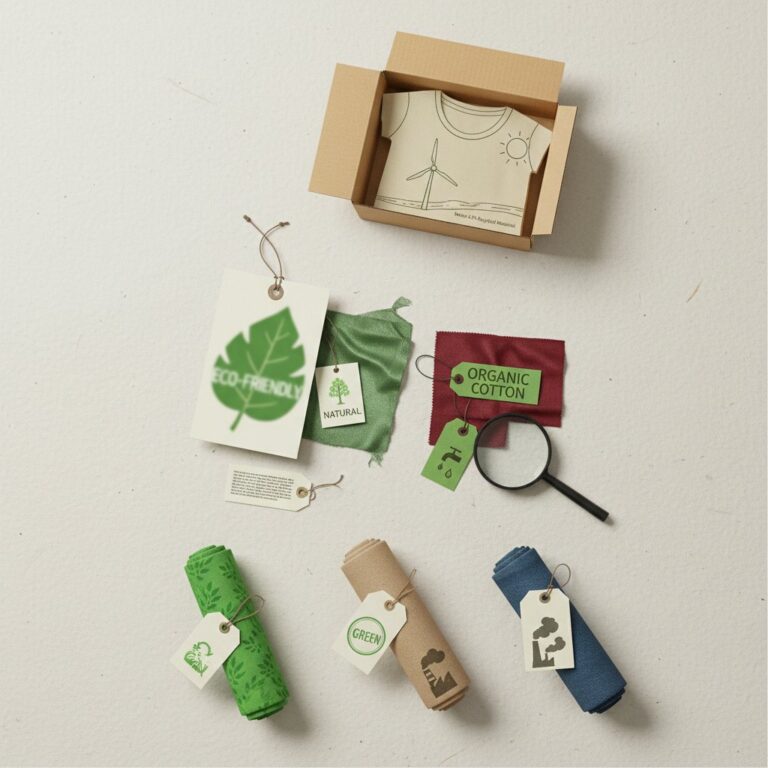
In 2026, sustainability is no longer an optional extra but a crucial consideration in every aspect of our lives, especially fashion. A significant part of learning how to declutter wardrobe responsibly involves understanding the environmental impact of our clothing choices and disposal methods. By carefully curating your wardrobe, you naturally reduce the need for constant new purchases, diminishing demand for fast fashion and its associated ecological footprint. Moreover, when you declutter with intention, you seek out sustainable ways to rehome or recycle items, diverting textiles from landfills. This commitment to conscious consumption and responsible disposal not only benefits the planet but also imbues your wardrobe with a deeper sense of purpose and ethical integrity. It’s a powerful step towards a more mindful and eco-friendly relationship with fashion.
[INLINE IMAGE 1: place after second H2 | alt=”how to declutter wardrobe concept illustration”]
Preparing for Your Wardrobe Declutter Journey
Before you dive headfirst into the piles of forgotten blouses and unworn jeans, effective preparation is key. Think of it as setting the stage for a successful transformation. A well-prepared decluttering session is less overwhelming, more efficient, and ultimately more rewarding. This foundational step ensures you have the right mindset, the necessary tools, and clear objectives to guide you through the process of learning how to declutter wardrobe with purpose.
Cultivating the Right Mindset: From Overwhelm to Empowerment
Approaching a full wardrobe can feel daunting, leading to procrastination or giving up halfway. To effectively learn how to declutter wardrobe, start by cultivating a positive and determined mindset. Recognize that this is not about deprivation, but liberation. Frame the task as an opportunity to curate a space that inspires you, rather than a punishment for past shopping habits. Set aside dedicated, uninterrupted time – perhaps a full weekend morning – so you don’t feel rushed. Play some motivating music, light a candle, and create an atmosphere that feels productive and even enjoyable. Remind yourself of the benefits outlined above, visualizing the organized, functional closet you’re working towards. This mental shift from dread to anticipation is crucial for sustained effort.
Gathering Your Decluttering Toolkit
Having the right supplies on hand prevents interruptions and makes the process smoother. Before you even open your closet doors, gather these essentials:
- Designated Piles/Bags: You’ll need separate containers (boxes, laundry baskets, large bags) clearly labeled for “Keep,” “Donate,” “Sell,” “Repair/Alter,” and “Discard/Recycle.”
- Full-Length Mirror: Essential for trying on clothes and making honest evaluations.
- Good Lighting: Natural light is best for assessing colors and fit accurately.
- Water and Snacks: Decluttering is physical and mentally draining; stay hydrated and energized.
- A Friend or Honest Opinion (Optional): Sometimes a trusted friend can offer an objective perspective, especially on items you’re on the fence about.
- Cleaning Supplies: Dust cloths, vacuum, or a handheld steamer to clean your empty closet before returning items.
- Measuring Tape: Useful for checking storage dimensions if you plan to buy new organization tools.
Setting Clear Goals and Realistic Expectations
What do you hope to achieve by learning how to declutter wardrobe? Is it a capsule wardrobe for easier daily dressing? More space in your closet? A sustainable system for managing future purchases? Define your specific goals before you begin. For instance, “I want to reduce my wardrobe by 30%” or “I want to create a workwear capsule that mixes and matches easily.”
Alongside clear goals, set realistic expectations. Decluttering can be an emotional process, and it’s okay if you don’t achieve perfection in one go. You might uncover items with sentimental value that are hard to part with, or realize that some pieces are genuinely useful even if they’re not ‘fashion-forward’. Be kind to yourself. The aim is progress, not instant perfection. Remember that this is a journey, and even small steps forward contribute to the larger goal of a more organized and intentional wardrobe.
The Step-by-Step Decluttering Process: A Methodical Approach
With your mindset cultivated and tools at the ready, it’s time to dive into the core methodology of how to declutter wardrobe. This systematic approach breaks down what might seem like an overwhelming task into manageable, actionable steps, ensuring that every item in your closet receives the attention and evaluation it deserves. By following these stages, you’ll move from chaos to clarity with confidence.
Emptying Your Wardrobe: A Blank Canvas
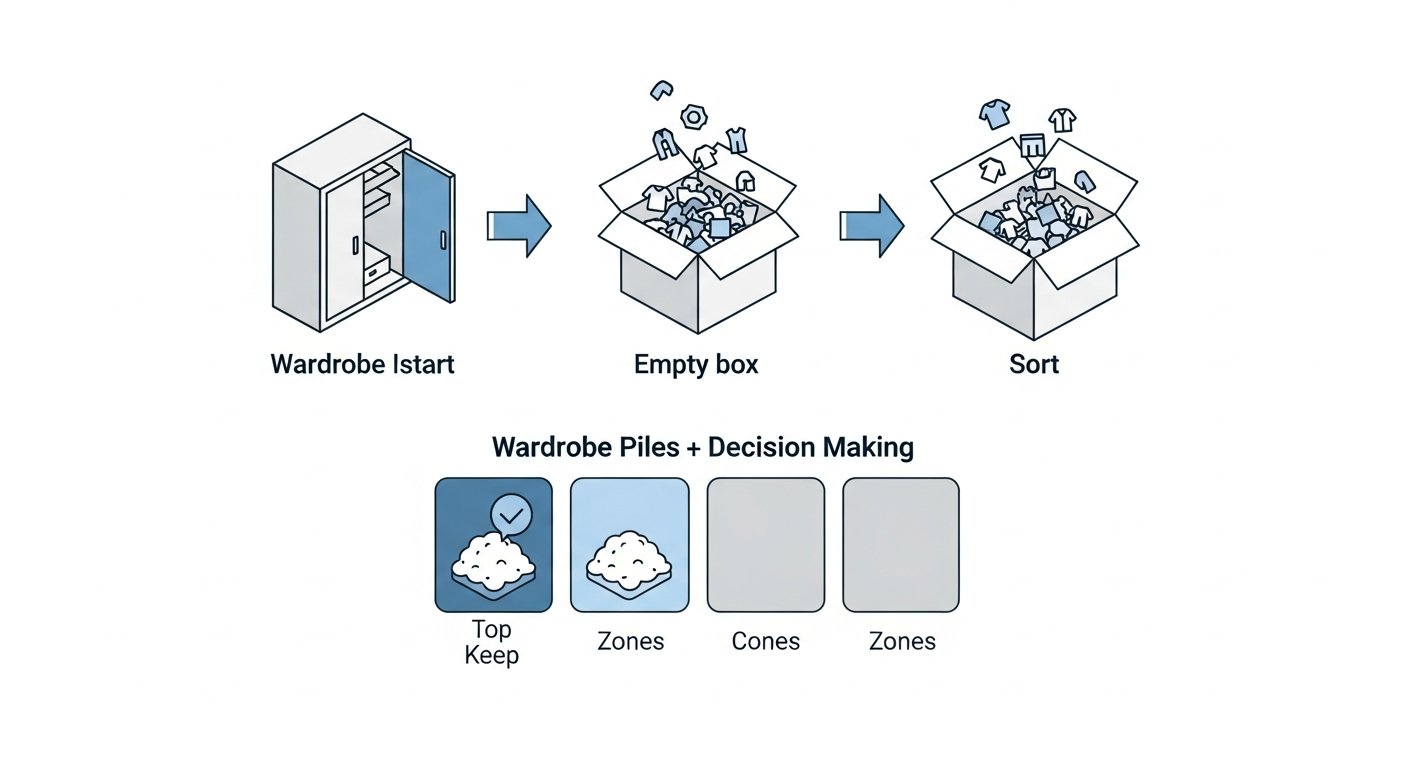
This is often the most intimidating but crucial first step in learning how to declutter wardrobe. You cannot truly assess what you own if it’s still crammed onto hangers and shelves. Pull EVERYTHING out of your closet, drawers, and any other storage areas where clothes reside. Yes, everything. Pile it all onto your bed, a clear floor space, or even a clean tarp. The visual impact of seeing every single item you own in one place can be a powerful motivator. It highlights the sheer volume and often the redundancy of your collection. This also gives you an opportunity to thoroughly clean your empty closet, wiping down shelves, vacuuming the floor, and ensuring it’s a pristine space ready for its new, curated contents.
The Decision Matrix: Keep, Toss, Donate, Sell, Repair, Repurpose
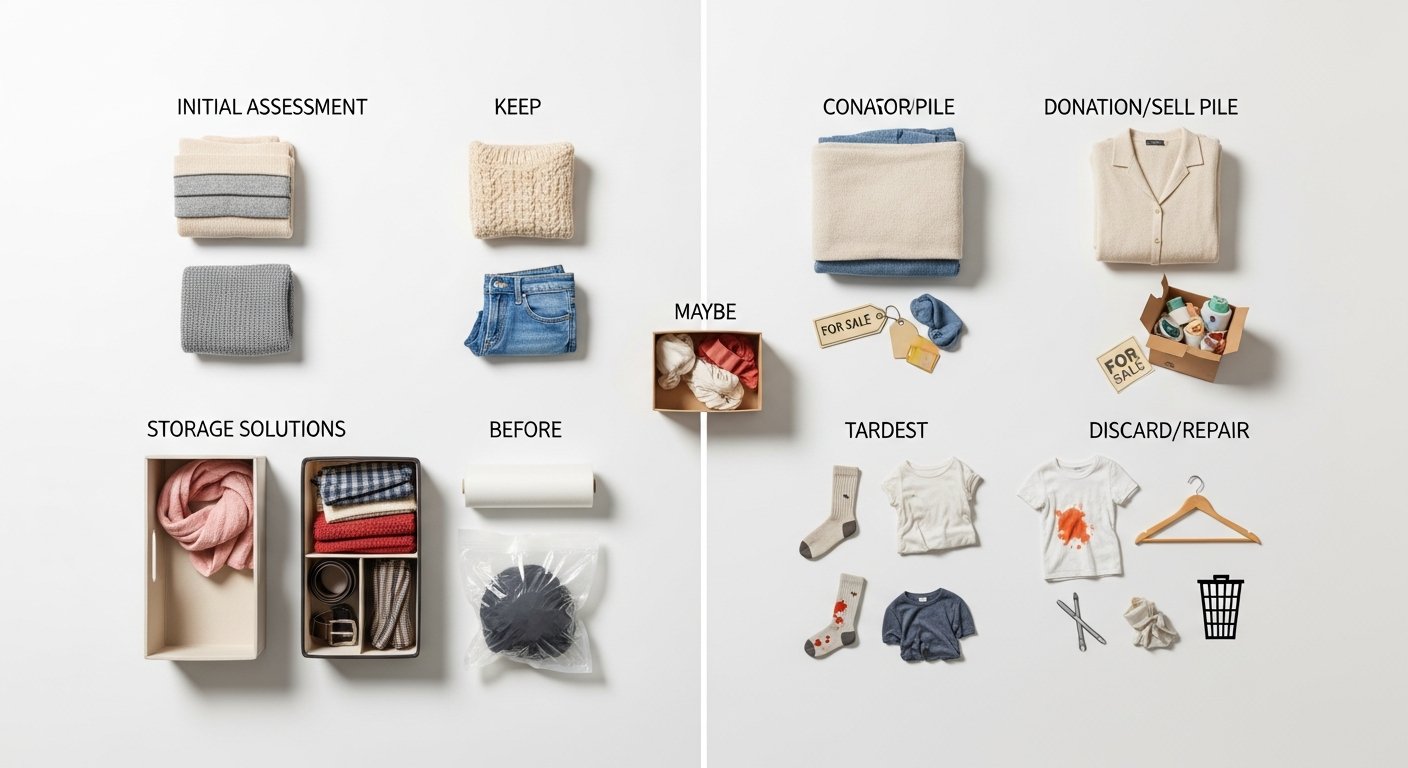
Now, confront the mountain of clothes. Pick up each item individually and make a swift decision based on a clear framework. Speed and decisiveness are key here to avoid analysis paralysis. Don’t overthink; trust your gut. Create distinct piles:
- Keep: Items you genuinely love, wear regularly, fit well, and align with your current style and lifestyle. These go back into your closet.
- Donate: Clothes that are in good condition, clean, and wearable, but no longer serve you. They could bring joy to someone else.
- Sell: Higher-value items, designer pieces, or nearly-new clothes that could fetch a good price.
- Repair/Alter: Pieces you love but need a minor fix (a missing button, a small tear, a hem adjustment). Set these aside for a dedicated repair session.
- Repurpose: Items that are too worn for donation but have good fabric or potential for upcycling (e.g., old t-shirts for cleaning rags, denim for craft projects).
- Discard/Recycle: Items that are truly beyond repair, stained, ripped, or too worn out to be useful to anyone else. These should ideally go to textile recycling facilities, not just the landfill.
Be brutally honest during this phase. If you’re hesitant, ask yourself: “Have I worn this in the last year?” “Does it fit me well right now?” “Does it make me feel confident and happy?” If the answer to any of these is no, it likely belongs in one of the other piles.
Trying On & Honest Evaluation: The Mirror Test
For any items you’re unsure about in the “Keep” pile, or even those you think you love, perform the mirror test. Try them on. This step is critical because how something looks on a hanger can be very different from how it feels and fits on your body.
As you try on each piece, ask:
- Does it fit comfortably? (Not too tight, not too loose.)
- Does it flatter my current body shape?
- Is it current with my style, or does it feel dated? (Remember, timeless is good, truly dated is not.)
- Do I feel confident and good wearing this?
- Does it require special undergarments or accessories that make it impractical?
- Does it suit my lifestyle right now? (e.g., if you work from home, do you really need 20 formal blouses?)
Be honest with yourself. If an item needs to be “squeezed into” or constantly adjusted, it’s not serving you. If it makes you feel self-conscious or uncomfortable, it doesn’t deserve a spot in your curated closet. This is a powerful step in truly learning how to declutter wardrobe effectively, as it shifts the focus from potential to present reality.
[INLINE IMAGE 2: place after fourth H2 | alt=”how to declutter wardrobe comparison illustration”]
Navigating Sentimental Attachments and “Just in Case” Items
These are the toughest categories when learning how to declutter wardrobe. Sentimental items—like a dress from a memorable event or a gift from a loved one—carry emotional weight. “Just in case” items, such as clothes that might fit again someday, or pieces for hypothetical future events, are driven by fear of needing something later.
For sentimental items:
- Acknowledge the Emotion: It’s okay to feel a connection.
- Take a Photo: Document the item and the memory. This can often be enough.
- Create a Memory Box: Dedicate a small box for truly special, irreplaceable items that are small and meaningful. Not your entire high school wardrobe.
- Re-evaluate Usefulness: Can it be repurposed? A wedding dress into a christening gown, an old t-shirt into a quilt square?
For “just in case” items:
- The “One Year Rule”: If you haven’t worn it in a year (or even two for seasonal items), it’s likely not needed.
- Be Realistic About Future Fit: If clothes are too small, consider if you truly intend to alter your size for them. If they’re too big, they can always be tailored if truly essential.
- Cost-Per-Wear: If you never wear it, the money is already “wasted.” Keeping it just takes up space.
- Rental/Borrowing: For very specific occasion wear, consider if renting or borrowing is a more practical solution than owning.
The goal is to free yourself from the burden of items that serve only “what ifs” rather than your present reality. Trust that you can acquire what you need when the actual occasion arises.
Explore more strategies for tackling sentimental items in our full guide.
Mastering the Art of Wardrobe Organization Post-Declutter
Congratulations, you’ve made the tough decisions! But learning how to declutter wardrobe is only half the battle. The next crucial step is to organize what remains in a way that is functional, beautiful, and sustainable. This phase ensures your hard work pays off, transforming your closet from a mere storage space into an inspiring area that supports your daily style and mindful living. Effective organization prevents clutter from creeping back in and helps you maintain your newly streamlined wardrobe.
Strategic Storage Solutions: Maximizing Space and Accessibility
Once you know what you’re keeping, it’s time to find its optimal home. The right storage solutions can make a world of difference in how accessible and enjoyable your wardrobe is.
- Hangers: Invest in slim, non-slip hangers (velvet or wood) to save space and prevent clothes from falling. Uniform hangers create a visually cohesive and calming effect. Ditch wire hangers which can damage clothes.
- Drawer Dividers: Perfect for keeping folded items like t-shirts, activewear, and underwear neatly separated and easy to see.
- Shelf Dividers: If you have open shelving, these prevent piles of sweaters or jeans from toppling over.
- Baskets & Bins: Ideal for storing accessories, scarves, or seasonal items on shelves, keeping them contained and tidy.
- Clear Containers: For items you use less frequently but still need to see (e.g., special occasion shoes, specific bags).
- Vertical Space: Utilize the full height of your closet with double hanging rods or hanging organizers for shoes and accessories.
- Under-Bed Storage: Useful for off-season items or bulkier pieces if closet space is limited. Ensure containers are breathable to prevent mustiness.
The key is to create a system where every item has a designated, easily accessible place. This greatly reduces the mental load of getting dressed and makes it simpler to put things away.
The Power of Categorization: Visualizing Your Style
Arranging your clothes logically makes selection effortless. There are several effective ways to categorize your wardrobe, and you can mix and match to find what works best for you:
- By Type: Group all shirts together, all skirts, all dresses, all pants. This is a fundamental organizational principle.
- By Color: Within each type, arrange items by color. This is visually pleasing and makes it easy to spot a specific shade you’re looking for, or to build monochromatic outfits.
- By Occasion/Function: Create sections for workwear, casual wear, activewear, and formal wear. This is particularly helpful if your lifestyle demands distinct categories.
- By Outfit: For some, grouping frequently worn outfits together can be a time-saver. This is more common in highly curated capsule wardrobes.
Whichever method you choose, consistency is key. When everything has a logical place, returning items to their home becomes second nature, preventing clutter from re-accumulating.
Embracing Capsule Wardrobe Principles for Lasting Simplicity
Learning how to declutter wardrobe often naturally leads to an appreciation for the capsule wardrobe concept. A capsule wardrobe is a curated collection of essential clothing items that are versatile, complementary, and can be easily mixed and matched to create numerous outfits for a specific period (e.g., a season). The principles include:
- Focus on Versatility: Each item should be able to be styled in at least three different ways.
- Cohesive Color Palette: Choose a base of neutrals (black, white, gray, navy, beige) and add a few accent colors.
- Quality over Quantity: Invest in well-made pieces that will last.
- Reflect Your Lifestyle: Your capsule should suit your daily activities, whether it’s office work, remote work, active living, or social events.
Implementing capsule wardrobe principles doesn’t mean you have to drastically cut down to 30 items. It’s about intentionality. By adopting this mindset, you learn to appreciate the pieces you have, make more conscious future purchases, and experience the freedom of a wardrobe where everything works together harmoniously. It simplifies decision-making and ensures you always feel stylish and put-together.
Seasonal Rotations: Keeping Your Wardrobe Fresh and Functional
Unless you live in a climate with minimal seasonal variation, not all your clothes are relevant year-round. Implementing a seasonal rotation is a smart strategy for managing space and ensuring your wardrobe remains functional.
- Identify Off-Season Items: At the start of each new season, review your current wardrobe and identify items that won’t be worn for the next 3-6 months (e.g., heavy coats in summer, linen dresses in winter).
- Clean and Store Properly: Before storing, ensure all items are clean and completely dry to prevent mildew and pest damage. Use breathable storage bags or containers (cotton garment bags, plastic bins with ventilation holes).
- Designated Storage Area: Store off-season clothes in an attic, basement, under the bed, or in a secondary closet. Ensure the area is cool, dry, and dark.
- Bring Out Seasonal Clothes: As you store away one season’s clothes, bring out the next season’s. This also serves as a mini-decluttering opportunity, allowing you to reassess items you haven’t seen in months.
Seasonal rotation keeps your main wardrobe uncluttered and focused on current needs, making daily dressing simpler and your closet feel less overwhelming. It’s an excellent technique when learning how to declutter wardrobe for continuous maintenance.
Sustainable Discarding: Giving Your Clothes a Second Life
Learning how to declutter wardrobe isn’t just about clearing space; it’s about responsible consumption and disposal. In 2026, the fashion industry’s environmental impact is a critical concern, making it imperative that we consider the “afterlife” of our unwanted garments. Simply tossing clothes into the trash contributes to overflowing landfills and wasted resources. Instead, let’s explore ethical and eco-conscious ways to give your clothes a second life, minimizing waste and maximizing positive impact.
Donation: Choosing Reputable Charities and Organizations
Donating clothes is one of the most common and impactful ways to rehome wearable items. However, not all donation centers are created equal, and it’s essential to ensure your garments truly help those in need and don’t end up in a landfill overseas.
- Research Local Charities: Look for organizations that directly benefit your community, such as homeless shelters, women’s shelters, career closets (for professional attire), or specific community aid groups. They often have specific needs and direct impact.
- National Non-Profits: Organizations like Goodwill, Salvation Army, and others accept a wide range of clothing, which they sell to fund programs or distribute to those in need.
- Condition Matters: Only donate items that are clean, in good repair, and truly wearable. If you wouldn’t give it to a friend, don’t donate it. Stained, ripped, or broken items are a burden for charities and often end up in the trash anyway.
- Check Donation Guidelines: Always check the specific requirements of the organization before dropping off your clothes. Some have restrictions on types of items or condition.
Donating thoughtfully ensures your clothes continue their lifecycle in a way that truly benefits others and reduces waste.
Selling Platforms: Monetizing Your Unwanted Items
For higher-value items, designer pieces, or clothes that are new with tags, selling them can recoup some of your investment and give them a direct new home. This is a smart financial and sustainable approach when learning how to declutter wardrobe.
Comparison of Selling Platforms for Used Clothing
| Platform | Best For | Pros | Cons | Seller Fees |
|---|---|---|---|---|
| Poshmark | Fashion, shoes, accessories (all price points) | Large, engaged community; easy listing; pre-paid shipping labels | Requires active engagement (sharing); higher fees on lower-priced items | $2.95 for sales under $15; 20% for sales $15+ |
| Depop | Vintage, Y2K, streetwear, unique items, indie brands | Youthful audience; Instagram-like interface; direct communication with buyers | Requires good photography skills; can be competitive; 10% Depop fee + PayPal/Stripe fees | 10% Depop fee + ~3.49% + $0.49 PayPal/Stripe fee |
| ThredUp | Mid-range to designer brands; “clean out kit” service | Very convenient (they do the work); good for bulk items; eco-friendly focus | Payouts can be low; limited control over pricing; longer processing times | Variable (consign with low % for fast fashion, higher for designer) |
| The RealReal | Luxury designer clothing, accessories, and jewelry | Expert authentication; large audience of luxury buyers; white-glove service | Strict authentication process; higher commission rates for seller | Up to 85% of item price for seller (varies by sales & item value) |
| eBay | Wide variety, unique items, collectibles, vintage, new-with-tags | Massive global audience; flexible selling options (auction/fixed price) | Requires more effort (photography, shipping, customer service); potential for returns | ~12.9% on average (final value fee) + $0.30 per order |
| Facebook Marketplace | Local sales, all types of clothing, furniture, etc. | No selling fees; direct buyer communication; pick-up option | Requires coordination with buyers; less secure for high-value items; no shipping integration | Free (unless using shipping/payment processing) |
Choose the platform that best suits your items and your selling preference. Good photos, clear descriptions, and prompt communication are key to successful sales.
Discover more tips for selling your clothes online successfully.
Textile Recycling: When Items Can’t Be Reused
Not everything is suitable for donation or resale. For items that are ripped, stained, worn out, or otherwise unusable as clothing, textile recycling is the most responsible option. Many people don’t realize that even tattered items can often be recycled into new fibers for insulation, cleaning cloths, or other textile products.
- Check Local Facilities: Many cities and counties have textile recycling bins or facilities. Check with your local waste management services or search online for “textile recycling near me.”
- Retailer Take-Back Programs: Some fashion brands and retailers (e.g., H&M, Levi’s, Madewell) offer take-back programs where you can drop off any brand of old clothes for recycling, sometimes even receiving a discount voucher in return.
- Community Drop-Off Events: Keep an eye out for local community recycling events that often include textile collection.
Make sure items are clean and dry before dropping them off for recycling to avoid contamination.
Repurposing and Upcycling: Unleashing Creativity
For the crafty and creative, some worn-out items can be given a completely new life through repurposing or upcycling. This is a fantastic way to minimize waste and inject personal flair into your home or wardrobe.
- Cleaning Rags: Old cotton t-shirts, towels, or bed sheets make excellent cleaning rags, reducing your need for paper towels.
- Craft Projects: Denim from old jeans can become patches, bags, or even home decor. Old sweaters can be felted and turned into cozy accessories.
- Minor Alterations: A long dress can become a skirt, a pair of jeans can become shorts, or a large t-shirt can be refashioned into a crop top.
Even if you’re not a DIY expert, considering the potential for repurposing before discarding completely can change your perspective on what truly constitutes “waste.”
Overcoming Common Decluttering Hurdles
Learning how to declutter wardrobe is rarely a straightforward, emotionless task. It often unearths sentiments, triggers guilt, and demands tough decisions. Recognizing these common hurdles is the first step toward overcoming them. By acknowledging these challenges, you can develop strategies to navigate them effectively, ensuring your decluttering journey is successful and less stressful.
Decision Fatigue and Procrastination
The sheer volume of decisions required when facing a full wardrobe can lead to “decision fatigue”—a state where the quality of your decisions deteriorates after a long session of making choices. This often manifests as procrastination, where you put off starting, or giving up halfway through.
- Break it Down: Don’t try to declutter your entire wardrobe in one sitting. Tackle it by category (e.g., tops today, bottoms tomorrow) or by section (e.g., one drawer at a time).
- Set a Timer: Work in focused bursts. Tell yourself you’ll declutter for 30-60 minutes, then take a break. This makes the task feel less endless.
- Start Small: Begin with the easiest category first, like socks or underwear, to build momentum and confidence.
- The “Maybe” Pile: Create a temporary “maybe” pile for items you’re truly stuck on. Put these items aside for a week or a month. If you don’t reach for them or think about them, they’re probably ready to go.
By managing the mental load, you’ll find learning how to declutter wardrobe becomes a more sustainable and less daunting process.
The Guilt of “Wasted Money”
Many perfectly good, sometimes expensive, items sit unworn in our closets, sparking guilt over the money spent. This feeling often prevents us from letting go, trapping us in a cycle of keeping things out of obligation rather than genuine use.
- Reframing the Cost: The money is already spent. Keeping an unused item in your closet doesn’t magically make it a wise investment; it just occupies valuable physical and mental space. Think of it as a sunk cost.
- Consider Selling: If the item is still valuable, selling it can recoup some of your initial investment, turning a past “mistake” into a small win.
- Donation as Impact: For items not suitable for sale, donating them means they can benefit someone else, giving them purpose and reducing your guilt.
- Learn for the Future: Use the guilt as a learning experience. What led to that purchase? Too-good-to-be-true sales? Impulse buying? Not knowing your style? This awareness can inform smarter future shopping habits.
Letting go of items tied to “wasted money” is a step towards financial and emotional freedom, allowing you to move forward without regret.
Dealing with Gifts and Unworn Splurges
Gifts come with an unspoken expectation of appreciation, making them particularly difficult to part with, even if they don’t suit your style or fit. Unworn splurges, like that designer bag you bought but never use, carry the weight of a significant investment.
- Gifts: Remember that the gift was given with love, and the sentiment is in the act of giving, not in your obligation to keep the physical item forever. Acknowledge the generosity, perhaps take a photo, and then release it if it doesn’t serve you. Someone else can enjoy it.
- Unworn Splurges: These often stem from aspirational buying rather than practical need. Be honest: does this item truly fit into your current lifestyle and style? If not, selling it (as discussed above) is often the best solution. It allows someone else who genuinely loves it to use it, and you recover some funds.
- The “Cost-Per-Wear” Test: For splurges, if the cost-per-wear is astronomical because you never wear it, it’s financially more wasteful to keep it than to sell it or donate it.
Be gentle but firm with yourself. Your wardrobe should be a reflection of who you are, not a storage unit for well-intentioned but impractical items.
Seeking Support: Friends, Family, or Professional Organizers
Decluttering can be isolating, especially when faced with tough decisions. You don’t have to go it alone.
- Enlist a Trusted Friend or Family Member: An objective third party can provide perspective, encouragement, and help you make those difficult calls. Choose someone who understands your style, is honest, and won’t enable keeping everything.
- Join Online Communities: There are numerous online groups (e.g., on Facebook, Reddit) dedicated to decluttering, minimalism, and capsule wardrobes. Sharing your progress and challenges can provide valuable support and ideas.
- Consider a Professional Organizer: If you’re truly overwhelmed, or if decluttering has been a persistent problem, a professional organizer can provide expert guidance, structure, and accountability. They have proven methodologies and can help you develop systems tailored to your needs. While an investment, the long-term benefits of a functional, stress-free wardrobe can be invaluable.
Remember, asking for help is a sign of strength, not weakness, especially when tackling a task as personal and potentially emotional as learning how to declutter wardrobe.
Maintaining Your Decluttered Wardrobe: Long-Term Strategies
The exhilarating feeling of a freshly decluttered wardrobe is fantastic, but the real victory lies in keeping it that way. Learning how to declutter wardrobe is an ongoing practice, not a one-time event. Establishing consistent habits and mindful approaches to shopping and organization is essential for preventing clutter creep and ensuring your closet remains a source of joy and efficiency for years to come. These long-term strategies will help you sustain your organized oasis.
The “One In, One Out” Rule: Mindful Consumption
This simple yet powerful rule is a cornerstone of maintaining a decluttered wardrobe. For every new item of clothing you bring into your closet, one existing item must leave. This applies to all categories – a new pair of jeans means an old pair must go.
- Prevents Accumulation: It physically stops your wardrobe from expanding beyond its capacity.
- Encourages Thoughtful Purchases: Knowing you’ll have to sacrifice something for a new item makes you think twice about impulse buys. Is this new item truly better or more versatile than something I already own?
- Forces Evaluation: It encourages you to constantly evaluate the value and utility of your existing wardrobe.
The “one in, one out” rule trains you to be more intentional with your shopping and helps you maintain a balanced, curated collection. It’s an indispensable habit when mastering how to declutter wardrobe for the long haul.
Regular Mini-Declutters: Preventing Accumulation
Instead of waiting for your wardrobe to become overwhelming again, schedule regular, small decluttering sessions. These are far less intimidating than a full overhaul.
- Monthly Check-Ins: Dedicate 15-30 minutes once a month to quickly scan your wardrobe. Are there any items you haven’t worn? Pieces that no longer fit? Things that are worn out?
- Seasonal Swaps: As discussed, rotating your seasonal wardrobe provides an excellent opportunity for a mini-declutter. Re-evaluate items as you bring them out or put them away.
- Post-Laundry Assessment: As you put away clean clothes, take a moment to assess items. If something is perpetually at the bottom of the drawer or never makes it onto a hanger, question why.
- The “Reverse Hanger” Trick: Turn all hangers in one direction. After wearing an item, return it to the closet with the hanger turned the opposite way. After 6-12 months, any hangers still facing the original direction indicate items you haven’t worn.
These consistent, small efforts prevent the build-up of clutter and keep your wardrobe efficient and inspiring without the need for drastic future interventions.
Understanding Your Personal Style Evolution
Our lives, careers, and personal tastes evolve, and so too should our wardrobes. What suited you five years ago might not align with who you are in 2026. Accepting this evolution is key to maintaining a relevant and beloved wardrobe.
- Reflect on Lifestyle Changes: Did you get a new job? Start a new hobby? Become a parent? These life shifts often require different types of clothing.
- Track Your Style: Pay attention to what you genuinely enjoy wearing. What makes you feel good? What do you reach for repeatedly? What colors and silhouettes do you gravitate towards?
- Curate Inspiration: Use Pinterest or style blogs (like fashiongoggled!) to collect images of outfits and aesthetics that resonate with your current self. This helps solidify your evolving style identity.
A wardrobe that reflects your current self is one you’ll love and use. Don’t cling to items that belong to a past version of you; embrace the present and future you are becoming.
Check out our latest fashion trend analysis to inspire
How to Declutter Wardrobe: Your Ultimate Guide to a Stylish & Sustainable Closet in 2026
Affiliate disclosure: This article may contain affiliate links. Recommendations are independent and editorially driven.
The concept of a perfectly curated, effortlessly stylish wardrobe might seem like a distant dream, especially when faced with an overflowing closet that sparks more anxiety than joy. Yet, the journey to achieving this dream begins with a single, powerful step: decluttering. Far from being a mere seasonal chore, learning how to declutter wardrobe effectively is a transformative practice that can redefine your personal style, enhance your daily routine, and even contribute to a more sustainable lifestyle. In 2026, as the world increasingly values intentionality and conscious consumption, a streamlined wardrobe isn’t just a trend—it’s a smart, empowering choice.
This comprehensive guide from fashiongoggled is designed to equip you with the knowledge, strategies, and motivation needed to embark on your wardrobe decluttering journey with confidence. We’ll move beyond simply throwing out old clothes, delving into the psychological benefits, practical methodologies, and long-term maintenance required to cultivate a wardrobe that truly serves you. From preparing your mindset to making tough decisions about sentimental items, and from discovering sustainable disposal methods to adopting mindful shopping habits, we’ll cover every facet of creating a closet that is organized, inspiring, and reflective of your authentic self. Get ready to reclaim your space, discover your true style, and embrace the freedom that comes with a decluttered wardrobe.
The Transformative Power of a Decluttered Wardrobe
Embarking on the journey of learning how to declutter wardrobe extends far beyond the physical act of tidying. It’s an exercise in self-discovery, mindful living, and practical efficiency that can ripple through every aspect of your daily life. The benefits are profound, touching upon mental well-being, personal expression, and even your environmental footprint. Understanding these intrinsic advantages is often the strongest motivator to start and sustain your decluttering efforts.
Beyond Just Clothing: Mental Clarity and Reduced Stress
An overflowing, disorganized wardrobe is often a silent source of daily stress. The visual clutter, the difficulty in finding what you need, and the constant feeling of “nothing to wear” despite having a closet packed full, contribute to decision fatigue and anxiety. When you learn how to declutter wardrobe effectively, you’re not just organizing clothes; you’re creating mental space. Each item removed is a decision made, a burden lifted, and a step towards greater clarity. A simplified wardrobe means quicker decisions in the morning, less time spent rummaging, and a calm, inviting space that starts your day on a positive note. This newfound mental clarity can extend to other areas of your life, fostering a sense of control and peace.
Unlocking Your Personal Style Potential
Many of us have a closet filled with clothes that don’t truly represent who we are or aspire to be. Items bought on impulse, clothes that no longer fit, or pieces that felt like a good idea at the time can obscure our authentic style. Decluttering forces you to confront these inconsistencies and evaluate each item against your current aesthetic, lifestyle, and comfort. As you learn how to declutter wardrobe, you begin to identify patterns in what you love, what makes you feel confident, and what genuinely suits you. This process refines your understanding of your personal style, making it easier to build cohesive outfits, make intentional purchases, and present yourself to the world in a way that feels authentic and empowering. It’s about developing a wardrobe that is a true reflection of you, rather than a collection of forgotten trends or aspirational identities.
Embracing Sustainable Fashion Practices
In 2026, sustainability is no longer an optional extra but a crucial consideration in every aspect of our lives, especially fashion. A significant part of learning how to declutter wardrobe responsibly involves understanding the environmental impact of our clothing choices and disposal methods. By carefully curating your wardrobe, you naturally reduce the need for constant new purchases, diminishing demand for fast fashion and its associated ecological footprint. Moreover, when you declutter with intention, you seek out sustainable ways to rehome or recycle items, diverting textiles from landfills. This commitment to conscious consumption and responsible disposal not only benefits the planet but also imbues your wardrobe with a deeper sense of purpose and ethical integrity. It’s a powerful step towards a more mindful and eco-friendly relationship with fashion.
[INLINE IMAGE 1: place after second H2 | alt=”how to declutter wardrobe concept illustration”]
Preparing for Your Wardrobe Declutter Journey
Before you dive headfirst into the piles of forgotten blouses and unworn jeans, effective preparation is key. Think of it as setting the stage for a successful transformation. A well-prepared decluttering session is less overwhelming, more efficient, and ultimately more rewarding. This foundational step ensures you have the right mindset, the necessary tools, and clear objectives to guide you through the process of learning how to declutter wardrobe with purpose.
Cultivating the Right Mindset: From Overwhelm to Empowerment
Approaching a full wardrobe can feel daunting, leading to procrastination or giving up halfway. To effectively learn how to declutter wardrobe, start by cultivating a positive and determined mindset. Recognize that this is not about deprivation, but liberation. Frame the task as an opportunity to curate a space that inspires you, rather than a punishment for past shopping habits. Set aside dedicated, uninterrupted time – perhaps a full weekend morning – so you don’t feel rushed. Play some motivating music, light a candle, and create an atmosphere that feels productive and even enjoyable. Remind yourself of the benefits outlined above, visualizing the organized, functional closet you’re working towards. This mental shift from dread to anticipation is crucial for sustained effort.
Gathering Your Decluttering Toolkit
Having the right supplies on hand prevents interruptions and makes the process smoother. Before you even open your closet doors, gather these essentials:
- Designated Piles/Bags: You’ll need separate containers (boxes, laundry baskets, large bags) clearly labeled for “Keep,” “Donate,” “Sell,” “Repair/Alter,” and “Discard/Recycle.”
- Full-Length Mirror: Essential for trying on clothes and making honest evaluations.
- Good Lighting: Natural light is best for assessing colors and fit accurately.
- Water and Snacks: Decluttering is physical and mentally draining; stay hydrated and energized.
- A Friend or Honest Opinion (Optional): Sometimes a trusted friend can offer an objective perspective, especially on items you’re on the fence about.
- Cleaning Supplies: Dust cloths, vacuum, or a handheld steamer to clean your empty closet before returning items.
- Measuring Tape: Useful for checking storage dimensions if you plan to buy new organization tools.
Setting Clear Goals and Realistic Expectations
What do you hope to achieve by learning how to declutter wardrobe? Is it a capsule wardrobe for easier daily dressing? More space in your closet? A sustainable system for managing future purchases? Define your specific goals before you begin. For instance, “I want to reduce my wardrobe by 30%” or “I want to create a workwear capsule that mixes and matches easily.”
Alongside clear goals, set realistic expectations. Decluttering can be an emotional process, and it’s okay if you don’t achieve perfection in one go. You might uncover items with sentimental value that are hard to part with, or realize that some pieces are genuinely useful even if they’re not ‘fashion-forward’. Be kind to yourself. The aim is progress, not instant perfection. Remember that this is a journey, and even small steps forward contribute to the larger goal of a more organized and intentional wardrobe.
The Step-by-Step Decluttering Process: A Methodical Approach
With your mindset cultivated and tools at the ready, it’s time to dive into the core methodology of how to declutter wardrobe. This systematic approach breaks down what might seem like an overwhelming task into manageable, actionable steps, ensuring that every item in your closet receives the attention and evaluation it deserves. By following these stages, you’ll move from chaos to clarity with confidence.
Emptying Your Wardrobe: A Blank Canvas
This is often the most intimidating but crucial first step in learning how to declutter wardrobe. You cannot truly assess what you own if it’s still crammed onto hangers and shelves. Pull EVERYTHING out of your closet, drawers, and any other storage areas where clothes reside. Yes, everything. Pile it all onto your bed, a clear floor space, or even a clean tarp. The visual impact of seeing every single item you own in one place can be a powerful motivator. It highlights the sheer volume and often the redundancy of your collection. This also gives you an opportunity to thoroughly clean your empty closet, wiping down shelves, vacuuming the floor, and ensuring it’s a pristine space ready for its new, curated contents.
The Decision Matrix: Keep, Toss, Donate, Sell, Repair, Repurpose
Now, confront the mountain of clothes. Pick up each item individually and make a swift decision based on a clear framework. Speed and decisiveness are key here to avoid analysis paralysis. Don’t overthink; trust your gut. Create distinct piles:
- Keep: Items you genuinely love, wear regularly, fit well, and align with your current style and lifestyle. These go back into your closet.
- Donate: Clothes that are in good condition, clean, and wearable, but no longer serve you. They could bring joy to someone else.
- Sell: Higher-value items, designer pieces, or nearly-new clothes that could fetch a good price.
- Repair/Alter: Pieces you love but need a minor fix (a missing button, a small tear, a hem adjustment). Set these aside for a dedicated repair session.
- Repurpose: Items that are too worn for donation but have good fabric or potential for upcycling (e.g., old t-shirts for cleaning rags, denim for craft projects).
- Discard/Recycle: Items that are truly beyond repair, stained, ripped, or too worn out to be useful to anyone else. These should ideally go to textile recycling facilities, not just the landfill.
Be brutally honest during this phase. If you’re hesitant, ask yourself: “Have I worn this in the last year?” “Does it fit me well right now?” “Does it make me feel confident and happy?” If the answer to any of these is no, it likely belongs in one of the other piles.
Trying On & Honest Evaluation: The Mirror Test
For any items you’re unsure about in the “Keep” pile, or even those you think you love, perform the mirror test. Try them on. This step is critical because how something looks on a hanger can be very different from how it feels and fits on your body.
As you try on each piece, ask:
- Does it fit comfortably? (Not too tight, not too loose.)
- Does it flatter my current body shape?
- Is it current with my style, or does it feel dated? (Remember, timeless is good, truly dated is not.)
- Do I feel confident and good wearing this?
- Does it require special undergarments or accessories that make it impractical?
- Does it suit my lifestyle right now? (e.g., if you work from home, do you really need 20 formal blouses?)
Be honest with yourself. If an item needs to be “squeezed into” or constantly adjusted, it’s not serving you. If it makes you feel self-conscious or uncomfortable, it doesn’t deserve a spot in your curated closet. This is a powerful step in truly learning how to declutter wardrobe effectively, as it shifts the focus from potential to present reality.
[INLINE IMAGE 2: place after fourth H2 | alt=”how to declutter wardrobe comparison illustration”]
Navigating Sentimental Attachments and “Just in Case” Items
These are the toughest categories when learning how to declutter wardrobe. Sentimental items—like a dress from a memorable event or a gift from a loved one—carry emotional weight. “Just in case” items, such as clothes that might fit again someday, or pieces for hypothetical future events, are driven by fear of needing something later.
For sentimental items:
- Acknowledge the Emotion: It’s okay to feel a connection.
- Take a Photo: Document the item and the memory. This can often be enough.
- Create a Memory Box: Dedicate a small box for truly special, irreplaceable items that are small and meaningful. Not your entire high school wardrobe.
- Re-evaluate Usefulness: Can it be repurposed? A wedding dress into a christening gown, an old t-shirt into a quilt square?
For “just in case” items:
- The “One Year Rule”: If you haven’t worn it in a year (or even two for seasonal items), it’s likely not needed.
- Be Realistic About Future Fit: If clothes are too small, consider if you truly intend to alter your size for them. If they’re too big, they can always be tailored if truly essential.
- Cost-Per-Wear: If you never wear it, the money is already “wasted.” Keeping it just takes up space.
- Rental/Borrowing: For very specific occasion wear, consider if renting or borrowing is a more practical solution than owning.
The goal is to free yourself from the burden of items that serve only “what ifs” rather than your present reality. Trust that you can acquire what you need when the actual occasion arises.
Explore more strategies for tackling sentimental items in our full guide.
Mastering the Art of Wardrobe Organization Post-Declutter
Congratulations, you’ve made the tough decisions! But learning how to declutter wardrobe is only half the battle. The next crucial step is to organize what remains in a way that is functional, beautiful, and sustainable. This phase ensures your hard work pays off, transforming your closet from a mere storage space into an inspiring area that supports your daily style and mindful living. Effective organization prevents clutter from creeping back in and helps you maintain your newly streamlined wardrobe.
Strategic Storage Solutions: Maximizing Space and Accessibility
Once you know what you’re keeping, it’s time to find its optimal home. The right storage solutions can make a world of difference in how accessible and enjoyable your wardrobe is.
- Hangers: Invest in slim, non-slip hangers (velvet or wood) to save space and prevent clothes from falling. Uniform hangers create a visually cohesive and calming effect. Ditch wire hangers which can damage clothes.
- Drawer Dividers: Perfect for keeping folded items like t-shirts, activewear, and underwear neatly separated and easy to see.
- Shelf Dividers: If you have open shelving, these prevent piles of sweaters or jeans from toppling over.
- Baskets & Bins: Ideal for storing accessories, scarves, or seasonal items on shelves, keeping them contained and tidy.
- Clear Containers: For items you use less frequently but still need to see (e.g., special occasion shoes, specific bags).
- Vertical Space: Utilize the full height of your closet with double hanging rods or hanging organizers for shoes and accessories.
- Under-Bed Storage: Useful for off-season items or bulkier pieces if closet space is limited. Ensure containers are breathable to prevent mustiness.
The key is to create a system where every item has a designated, easily accessible place. This greatly reduces the mental load of getting dressed and makes it simpler to put things away.
The Power of Categorization: Visualizing Your Style
Arranging your clothes logically makes selection effortless. There are several effective ways to categorize your wardrobe, and you can mix and match to find what works best for you:
- By Type: Group all shirts together, all skirts, all dresses, all pants. This is a fundamental organizational principle.
- By Color: Within each type, arrange items by color. This is visually pleasing and makes it easy to spot a specific shade you’re looking for, or to build monochromatic outfits.
- By Occasion/Function: Create sections for workwear, casual wear, activewear, and formal wear. This is particularly helpful if your lifestyle demands distinct categories.
- By Outfit: For some, grouping frequently worn outfits together can be a time-saver. This is more common in highly curated capsule wardrobes.
Whichever method you choose, consistency is key. When everything has a logical place, returning items to their home becomes second nature, preventing clutter from re-accumulating.
Embracing Capsule Wardrobe Principles for Lasting Simplicity
Learning how to declutter wardrobe often naturally leads to an appreciation for the capsule wardrobe concept. A capsule wardrobe is a curated collection of essential clothing items that are versatile, complementary, and can be easily mixed and matched to create numerous outfits for a specific period (e.g., a season). The principles include:
- Focus on Versatility: Each item should be able to be styled in at least three different ways.
- Cohesive Color Palette: Choose a base of neutrals (black, white, gray, navy, beige) and add a few accent colors.
- Quality over Quantity: Invest in well-made pieces that will last.
- Reflect Your Lifestyle: Your capsule should suit your daily activities, whether it’s office work, remote work, active living, or social events.
Implementing capsule wardrobe principles doesn’t mean you have to drastically cut down to 30 items. It’s about intentionality. By adopting this mindset, you learn to appreciate the pieces you have, make more conscious future purchases, and experience the freedom of a wardrobe where everything works together harmoniously. It simplifies decision-making and ensures you always feel stylish and put-together.
Seasonal Rotations: Keeping Your Wardrobe Fresh and Functional
Unless you live in a climate with minimal seasonal variation, not all your clothes are relevant year-round. Implementing a seasonal rotation is a smart strategy for managing space and ensuring your wardrobe remains functional.
- Identify Off-Season Items: At the start of each new season, review your current wardrobe and identify items that won’t be worn for the next 3-6 months (e.g., heavy coats in summer, linen dresses in winter).
- Clean and Store Properly: Before storing, ensure all items are clean and completely dry to prevent mildew and pest damage. Use breathable storage bags or containers (cotton garment bags, plastic bins with ventilation holes).
- Designated Storage Area: Store off-season clothes in an attic, basement, under the bed, or in a secondary closet. Ensure the area is cool, dry, and dark.
- Bring Out Seasonal Clothes: As you store away one season’s clothes, bring out the next season’s. This also serves as a mini-decluttering opportunity, allowing you to reassess items you haven’t seen in months.
Seasonal rotation keeps your main wardrobe uncluttered and focused on current needs, making daily dressing simpler and your closet feel less overwhelming. It’s an excellent technique when learning how to declutter wardrobe for continuous maintenance.
Sustainable Discarding: Giving Your Clothes a Second Life
Learning how to declutter wardrobe isn’t just about clearing space; it’s about responsible consumption and disposal. In 2026, the fashion industry’s environmental impact is a critical concern, making it imperative that we consider the “afterlife” of our unwanted garments. Simply tossing clothes into the trash contributes to overflowing landfills and wasted resources. Instead, let’s explore ethical and eco-conscious ways to give your clothes a second life, minimizing waste and maximizing positive impact.
Donation: Choosing Reputable Charities and Organizations
Donating clothes is one of the most common and impactful ways to rehome wearable items. However, not all donation centers are created equal, and it’s essential to ensure your garments truly help those in need and don’t end up in a landfill overseas.
- Research Local Charities: Look for organizations that directly benefit your community, such as homeless shelters, women’s shelters, career closets (for professional attire), or specific community aid groups. They often have specific needs and direct impact.
- National Non-Profits: Organizations like Goodwill, Salvation Army, and others accept a wide range of clothing, which they sell to fund programs or distribute to those in need.
- Condition Matters: Only donate items that are clean, in good repair, and truly wearable. If you wouldn’t give it to a friend, don’t donate it. Stained, ripped, or broken items are a burden for charities and often end up in the trash anyway.
- Check Donation Guidelines: Always check the specific requirements of the organization before dropping off your clothes. Some have restrictions on types of items or condition.
Donating thoughtfully ensures your clothes continue their lifecycle in a way that truly benefits others and reduces waste.
Selling Platforms: Monetizing Your Unwanted Items
For higher-value items, designer pieces, or clothes that are new with tags, selling them can recoup some of your investment and give them a direct new home. This is a smart financial and sustainable approach when learning how to declutter wardrobe.
Comparison of Selling Platforms for Used Clothing
| Platform | Best For | Pros | Cons | Seller Fees |
|---|---|---|---|---|
| Poshmark | Fashion, shoes, accessories (all price points) | Large, engaged community; easy listing; pre-paid shipping labels | Requires active engagement (sharing); higher fees on lower-priced items | $2.95 for sales under $15; 20% for sales $15+ |
| Depop | Vintage, Y2K, streetwear, unique items, indie brands | Youthful audience; Instagram-like interface; direct communication with buyers | Requires good photography skills; can be competitive; 10% Depop fee + PayPal/Stripe fees | 10% Depop fee + ~3.49% + $0.49 PayPal/Stripe fee |
| ThredUp | Mid-range to designer brands; “clean out kit” service | Very convenient (they do the work); good for bulk items; eco-friendly focus | Payouts can be low; limited control over pricing; longer processing times | Variable (consign with low % for fast fashion, higher for designer) |
| The RealReal | Luxury designer clothing, accessories, and jewelry | Expert authentication; large audience of luxury buyers; white-glove service | Strict authentication process; higher commission rates for seller | Up to 85% of item price for seller (varies by sales & item value) |
| eBay | Wide variety, unique items, collectibles, vintage, new-with-tags | Massive global audience; flexible selling options (auction/fixed price) | Requires more effort (photography, shipping, customer service); potential for returns | ~12.9% on average (final value fee) + $0.30 per order |
| Facebook Marketplace | Local sales, all types of clothing, furniture, etc. | No selling fees; direct buyer communication; pick-up option | Requires coordination with buyers; less secure for high-value items; no shipping integration | Free (unless using shipping/payment processing) |
Choose the platform that best suits your items and your selling preference. Good photos, clear descriptions, and prompt communication are key to successful sales.
Discover more tips for selling your clothes online successfully.
Textile Recycling: When Items Can’t Be Reused
Not everything is suitable for donation or resale. For items that are ripped, stained, worn out, or otherwise unusable as clothing, textile recycling is the most responsible option. Many people don’t realize that even tattered items can often be recycled into new fibers for insulation, cleaning cloths, or other textile products.
- Check Local Facilities: Many cities and counties have textile recycling bins or facilities. Check with your local waste management services or search online for “textile recycling near me.”
- Retailer Take-Back Programs: Some fashion brands and retailers (e.g., H&M, Levi’s, Madewell) offer take-back programs where you can drop off any brand of old clothes for recycling, sometimes even receiving a discount voucher in return.
- Community Drop-Off Events: Keep an eye out for local community recycling events that often include textile collection.
Make sure items are clean and dry before dropping them off for recycling to avoid contamination.
Repurposing and Upcycling: Unleashing Creativity
For the crafty and creative, some worn-out items can be given a completely new life through repurposing or upcycling. This is a fantastic way to minimize waste and inject personal flair into your home or wardrobe.
- Cleaning Rags: Old cotton t-shirts, towels, or bed sheets make excellent cleaning rags, reducing your need for paper towels.
- Craft Projects: Denim from old jeans can become patches, bags, or even home decor. Old sweaters can be felted and turned into cozy accessories.
- Minor Alterations: A long dress can become a skirt, a pair of jeans can become shorts, or a large t-shirt can be refashioned into a crop top.
Even if you’re not a DIY expert, considering the potential for repurposing before discarding completely can change your perspective on what truly constitutes “waste.”
Overcoming Common Decluttering Hurdles
Learning how to declutter wardrobe is rarely a straightforward, emotionless task. It often unearths sentiments, triggers guilt, and demands tough decisions. Recognizing these common hurdles is the first step toward overcoming them. By acknowledging these challenges, you can develop strategies to navigate them effectively, ensuring your decluttering journey is successful and less stressful.
Decision Fatigue and Procrastination
The sheer volume of decisions required when facing a full wardrobe can lead to “decision fatigue”—a state where the quality of your decisions deteriorates after a long session of making choices. This often manifests as procrastination, where you put off starting, or giving up halfway through.
- Break it Down: Don’t try to declutter your entire wardrobe in one sitting. Tackle it by category (e.g., tops today, bottoms tomorrow) or by section (e.g., one drawer at a time).
- Set a Timer: Work in focused bursts. Tell yourself you’ll declutter for 30-60 minutes, then take a break. This makes the task feel less endless.
- Start Small: Begin with the easiest category first, like socks or underwear, to build momentum and confidence.
- The “Maybe” Pile: Create a temporary “maybe” pile for items you’re truly stuck on. Put these items aside for a week or a month. If you don’t reach for them or think about them, they’re probably ready to go.
By managing the mental load, you’ll find learning how to declutter wardrobe becomes a more sustainable and less daunting process.
The Guilt of “Wasted Money”
Many perfectly good, sometimes expensive, items sit unworn in our closets, sparking guilt over the money spent. This feeling often prevents us from letting go, trapping us in a cycle of keeping things out of obligation rather than genuine use.
- Reframing the Cost: The money is already spent. Keeping an unused item in your closet doesn’t magically make it a wise investment; it just occupies valuable physical and mental space. Think of it as a sunk cost.
- Consider Selling: If the item is still valuable, selling it can recoup some of your initial investment, turning a past “mistake” into a small win.
- Donation as Impact: For items not suitable for sale, donating them means they can benefit someone else, giving them purpose and reducing your guilt.
- Learn for the Future: Use the guilt as a learning experience. What led to that purchase? Too-good-to-be-true sales? Impulse buying? Not knowing your style? This awareness can inform smarter future shopping habits.
Letting go of items tied to “wasted money” is a step towards financial and emotional freedom, allowing you to move forward without regret.
Dealing with Gifts and Unworn Splurges
Gifts come with an unspoken expectation of appreciation, making them particularly difficult to part with, even if they don’t suit your style or fit. Unworn splurges, like that designer bag you bought but never use, carry the weight of a significant investment.
- Gifts: Remember that the gift was given with love, and the sentiment is in the act of giving, not in your obligation to keep the physical item forever. Acknowledge the generosity, perhaps take a photo, and then release it if it doesn’t serve you. Someone else can enjoy it.
- Unworn Splurges: These often stem from aspirational buying rather than practical need. Be honest: does this item truly fit into your current lifestyle and style? If not, selling it (as discussed above) is often the best solution. It allows someone else who genuinely loves it to use it, and you recover some funds.
- The “Cost-Per-Wear” Test: For splurges, if the cost-per-wear is astronomical because you never wear it, it’s financially more wasteful to keep it than to sell it or donate it.
Be gentle but firm with yourself. Your wardrobe should be a reflection of who you are, not a storage unit for well-intentioned but impractical items.
Seeking Support: Friends, Family, or Professional Organizers
Decluttering can be isolating, especially when faced with tough decisions. You don’t have to go it alone.
- Enlist a Trusted Friend or Family Member: An objective third party can provide perspective, encouragement, and help you make those difficult calls. Choose someone who understands your style, is honest, and won’t enable keeping everything.
- Join Online Communities: There are numerous online groups (e.g., on Facebook, Reddit) dedicated to decluttering, minimalism, and capsule wardrobes. Sharing your progress and challenges can provide valuable support and ideas.
- Consider a Professional Organizer: If you’re truly overwhelmed, or if decluttering has been a persistent problem, a professional organizer can provide expert guidance, structure, and accountability. They have proven methodologies and can help you develop systems tailored to your needs. While an investment, the long-term benefits of a functional, stress-free wardrobe can be invaluable.
Remember, asking for help is a sign of strength, not weakness, especially when tackling a task as personal and potentially emotional as learning how to declutter wardrobe.
Maintaining Your Decluttered Wardrobe: Long-Term Strategies
The exhilarating feeling of a freshly decluttered wardrobe is fantastic, but the real victory lies in keeping it that way. Learning how to declutter wardrobe is an ongoing practice, not a one-time event. Establishing consistent habits and mindful approaches to shopping and organization is essential for preventing clutter creep and ensuring your closet remains a source of joy and efficiency for years to come. These long-term strategies will help you sustain your organized oasis.
The “One In, One Out” Rule: Mindful Consumption
This simple yet powerful rule is a cornerstone of maintaining a decluttered wardrobe. For every new item of clothing you bring into your closet, one existing item must leave. This applies to all categories – a new pair of jeans means an old pair must go.
- Prevents Accumulation: It physically stops your wardrobe from expanding beyond its capacity.
- Encourages Thoughtful Purchases: Knowing you’ll have to sacrifice something for a new item makes you think twice about impulse buys. Is this new item truly better or more versatile than something I already own?
- Forces Evaluation: It encourages you to constantly evaluate the value and utility of your existing wardrobe.
The “one in, one out” rule trains you to be more intentional with your shopping and helps you maintain a balanced, curated collection. It’s an indispensable habit when mastering how to declutter wardrobe for the long haul.
Regular Mini-Declutters: Preventing Accumulation
Instead of waiting for your wardrobe to become overwhelming again, schedule regular, small decluttering sessions. These are far less intimidating than a full overhaul.
- Monthly Check-Ins: Dedicate 15-30 minutes once a month to quickly scan your wardrobe. Are there any items you haven’t worn? Pieces that no longer fit? Things that are worn out?
- Seasonal Swaps: As discussed, rotating your seasonal wardrobe provides an excellent opportunity for a mini-declutter. Re-evaluate items as you bring them out or put them away.
- Post-Laundry Assessment: As you put away clean clothes, take a moment to assess items. If something is perpetually at the bottom of the drawer or never makes it onto a hanger, question why.
- The “Reverse Hanger” Trick: Turn all hangers in one direction. After wearing an item, return it to the closet with the hanger turned the opposite way. After 6-12 months, any hangers still facing the original direction indicate items you haven’t worn.
These consistent, small efforts prevent the build-up of clutter and keep your wardrobe efficient and inspiring without the need for drastic future interventions.
Understanding Your Personal Style Evolution
Our lives, careers, and personal tastes evolve, and so too should our wardrobes. What suited you five years ago might not align with who you are in 2026. Accepting this evolution is key to maintaining a relevant and beloved wardrobe.
- Reflect on Lifestyle Changes: Did you get a new job? Start a new hobby? Become a parent? These life shifts often require different types of clothing.
- Track Your Style: Pay attention to what you genuinely enjoy wearing. What makes you feel good? What do you reach for repeatedly? What colors and silhouettes do you gravitate towards?
- Curate Inspiration: Use Pinterest or style blogs (like fashiongoggled!) to collect images of outfits and aesthetics that resonate with your current self. This helps solidify your evolving style identity.
A wardrobe that reflects your current self is one you’ll love and use. Don’t cling to items that belong to a past version of you; embrace the present and future you are becoming.