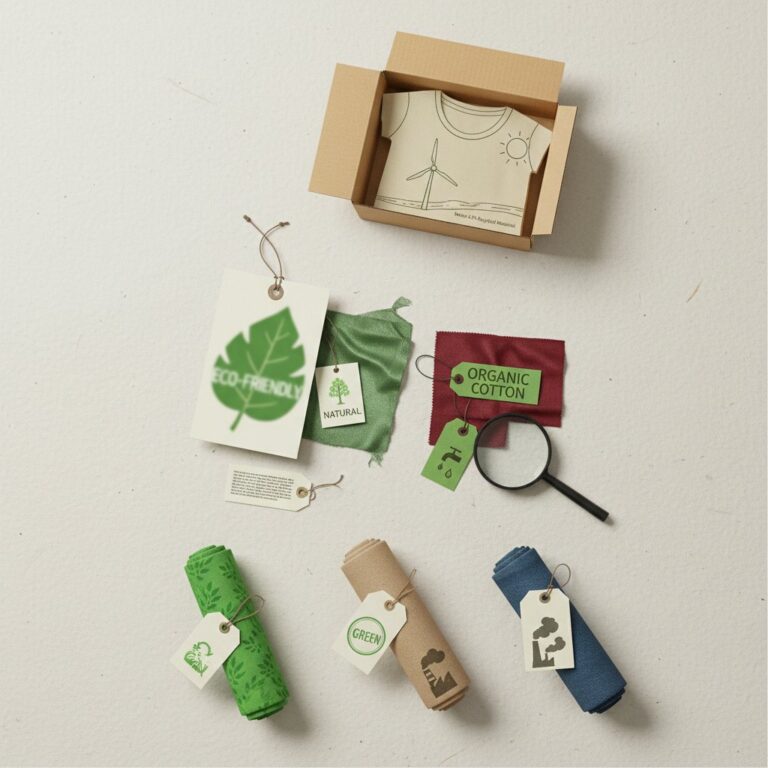

Transitional Dressing: Master the Art of Seamless Seasonal Style for 2026
Affiliate disclosure: This article may contain affiliate links. Recommendations are independent and editorially driven.
As the fashion world evolves, so too does our approach to daily style. Gone are the days of rigid seasonal wardrobes, replaced by a more fluid, adaptable philosophy: transitional dressing. This intelligent approach to fashion is not merely about surviving the in-between months; it’s about thriving in them, crafting a wardrobe that effortlessly navigates the unpredictable shifts between spring and summer, or autumn and winter. For the modern woman in 2026, understanding and mastering transitional dressing is key to achieving a versatile, stylish, and sustainable closet.
Transitional dressing is more than just throwing on a light jacket. It’s a strategic mindset that empowers you to maximize your existing pieces, experiment with clever layering, and confidently embrace fluctuating temperatures. It’s about building an outfit that feels appropriate whether the sun is shining brightly one moment or a cool breeze picks up the next. This comprehensive guide from fashiongoggled will delve into every facet of transitional dressing, providing you with the principles, essential garments, and styling strategies needed to become a true maestro of seamless seasonal style.
We’ll explore the ‘why’ behind this crucial fashion concept, dissect the foundational elements that make it work, and equip you with practical advice for curating a wardrobe that’s both functional and fashionable year-round. From selecting the right fabrics to mastering the art of accessorizing, prepare to transform your understanding of style and step into 2026 with an unparalleled sense of sartorial preparedness.
1. Understanding Transitional Dressing: Bridging the Seasonal Gap
Transitional dressing refers to the art of styling outfits that bridge the gap between distinct seasons. It’s a pragmatic and stylish response to those unpredictable periods when one day feels like summer and the next hints at autumn, or when winter’s chill slowly gives way to spring’s first warmth. This concept has gained significant traction as climate patterns become less predictable and as consumers increasingly seek more versatile and sustainable ways to approach their wardrobes.
What is Transitional Dressing?
At its core, transitional dressing is about adaptability. It involves creating outfits that can easily be adjusted for changing temperatures and conditions throughout the day, or across a period of weeks. Instead of rigidly separating your wardrobe into ‘summer clothes’ and ‘winter clothes,’ you learn to see your pieces as components that can be mixed, matched, and layered to suit any climate fluctuation. This means selecting garments that aren’t exclusively warm or cool but possess a mid-weight quality, or those that can be easily added or removed.
Consider the classic dilemma: a crisp morning that turns into a warm afternoon, followed by a chilly evening. A perfectly executed transitional outfit will allow you to feel comfortable and look polished at every stage. This often involves a thoughtful combination of lighter and heavier fabrics, strategic layering, and a smart choice of accessories that can be added or shed as needed. It’s about being prepared without sacrificing style.
The Importance of Adaptability in Fashion
In 2026, adaptability in fashion isn’t just a trend; it’s a necessity. Modern life demands versatility from our clothing. From commuting to work, attending social events, or navigating varying indoor and outdoor environments, our outfits need to perform across diverse scenarios. Transitional dressing empowers you with this flexibility. It reduces the stress of wardrobe planning, allowing you to confidently face any day, knowing your style is perfectly aligned with the weather and your agenda.
Beyond practicality, adaptability fosters creativity. When you learn to combine pieces from different seasonal categories, you unlock a myriad of new outfit possibilities from your existing wardrobe. This encourages a more thoughtful consumption pattern, moving away from fast fashion’s disposability towards a more curated, long-lasting collection of garments.
The Evolution of Seasonal Style
Historically, fashion adhered to strict seasonal calendars. Heavy wools for winter, light linens for summer, and very distinct fashion shows dictating trends for each. However, global warming and the rise of personal style have blurred these lines. Designers now often present “resort” or “pre-fall” collections that inherently embrace transitional themes, recognizing that consumers live in a world where seasons bleed into one another.
The modern consumer is also savvier. With an emphasis on sustainable style and capsule wardrobes, there’s a greater appreciation for multi-functional items. Transitional dressing aligns perfectly with these values, advocating for a wardrobe built on timeless, versatile pieces rather than fleeting trends. It’s a movement towards smarter, more conscious fashion choices that serve us well, regardless of the calendar month.
2. The Philosophy Behind Transitional Dressing: Why It Matters for the Modern Woman
Transitional dressing is far more than a practical solution to fluctuating temperatures; it’s a philosophy that underpins a modern, intelligent approach to personal style. It reflects a shift in how women think about their wardrobes, moving towards intentionality, versatility, and conscious consumption. For the fashion-forward woman in 2026, embracing this mindset is crucial for cultivating a wardrobe that truly serves her lifestyle and values.
Beyond Trends: Practicality Meets Panache
While fashion trends come and go, the need for practical, comfortable, and stylish clothing remains constant. Transitional dressing marries these seemingly disparate elements. It’s about building a wardrobe that doesn’t just look good, but also performs effectively. This means choosing pieces for their function—their ability to layer, breathe, or provide just the right amount of warmth—while simultaneously ensuring they align with your personal aesthetic.
The focus shifts from chasing the latest micro-trend to investing in high-quality, foundational pieces that can be styled in multiple ways. This approach elevates everyday dressing from a chore to an art form, where each outfit is thoughtfully constructed to navigate the day’s demands with ease and elegance. It’s the ultimate expression of dressing smarter, not harder.
Embracing Versatility and Longevity
A core tenet of transitional dressing is the celebration of versatility. Every item in a well-curated transitional wardrobe should ideally serve multiple purposes or adapt to various climates. A trench coat, for example, is not just for spring showers; it’s an ideal layer for a cool summer evening or a crisp autumn day. Similarly, a knit sweater can be worn alone on a mild day or layered under a heavier coat when temperatures plummet.
This emphasis on versatility naturally leads to longevity. When garments can be worn across seasons and styled in numerous ways, their cost-per-wear dramatically decreases, and their lifespan in your wardrobe extends. This is a powerful antidote to fast fashion’s disposable cycle, encouraging a more sustainable and economically sensible approach to clothing. It’s about building a collection of cherished pieces that stand the test of time, rather than a closet full of items worn only a few times.
The Psychological Impact of Preparedness
There’s a quiet confidence that comes with knowing you’re perfectly dressed for whatever the day may bring. The stress of scrambling for an appropriate outfit when the weather takes an unexpected turn is eliminated. Transitional dressing offers this psychological comfort, allowing you to focus on your day rather than worrying about your attire.
This sense of preparedness empowers you. It frees up mental energy and reduces decision fatigue, enabling you to step out with an assured elegance. It’s a testament to a woman who is in control, thoughtful about her choices, and effortlessly chic, regardless of external conditions. In 2026, this level of sartorial self-awareness is a true mark of sophisticated style.
In essence, transitional dressing is about cultivating a mindful relationship with your clothing. It’s about appreciating the utility and beauty of each piece, and understanding how they can work together to create a harmonious, adaptable, and enduring wardrobe that reflects your individuality and intelligence.
[INLINE IMAGE 1: place after second H2 | alt=”transitional dressing concept illustration”]
3. Key Principles for Mastering Transitional Dressing
To truly master transitional dressing, it’s essential to understand the underlying principles that make it effective. These aren’t just styling tips; they are foundational concepts that guide your wardrobe choices and outfit construction. By internalizing these principles, you’ll be able to create effortlessly chic and adaptable looks, no matter what the weather throws your way.
Layering: The Cornerstone of Versatility
Layering is arguably the most critical technique in transitional dressing. It involves wearing multiple items of clothing on top of each other, allowing you to add or remove layers as temperatures fluctuate. The key to successful layering lies in strategic planning, choosing pieces that work together aesthetically and functionally.
- Base Layer: Start with a lightweight, breathable item close to the skin. Think cotton tanks, silk camisoles, or thin long-sleeve tees. These should be comfortable and moisture-wicking if possible.
- Mid-Layer: This is where you add warmth or texture. Sweaters (cashmere, merino wool, fine-gauge cotton), cardigans, or button-down shirts are excellent choices. They should be easy to remove and carry.
- Outer Layer: The final layer provides protection from wind, rain, or significant drops in temperature. Blazers, trench coats, denim jackets, or lightweight parkas are perfect. They should be substantial enough to make a difference but not overly bulky.
The trick is to ensure each layer looks good on its own. That way, as you shed garments throughout the day, your outfit maintains its coherence and style.
Fabric Focus: Choosing the Right Materials
The type of fabric you choose plays a pivotal role in transitional dressing. Different materials offer varying degrees of warmth, breathability, and drape, making some far more suitable for fluctuating climates than others.
- Breathable Naturals: Cotton, linen, chambray, and lightweight wools (like merino) are excellent choices. They allow air circulation, preventing overheating, but can also offer a degree of warmth. Silk is another fantastic option for its temperature-regulating properties.
- Avoid Extremes: Steer clear of very heavy, insulating fabrics (like thick wool or flannel) when the weather is mild, and extremely sheer or unlined fabrics when there’s a chill in the air.
- Blends: Fabric blends often offer the best of both worlds, combining durability with comfort. Look for cotton-modal, wool-silk, or even technical fabrics that offer both warmth and moisture-wicking capabilities.
Understanding how different fabrics perform will empower you to make smarter choices that keep you comfortable regardless of the micro-climate.
Color Palettes: Navigating Tones for Every Season
While there are no strict rules, certain color palettes lend themselves better to transitional periods. The goal is to choose colors that don’t feel too heavy for spring/summer or too light for autumn/winter, allowing your outfits to bridge the seasonal aesthetic gap.
- Neutrals with Depth: Black, white, grey, navy, and beige are timeless and versatile. They serve as excellent foundations for any transitional outfit and can be easily mixed and matched.
- Muted Tones: Incorporate colors that have a slightly muted or dusty quality, such as olive green, dusty rose, terracotta, deep teal, or mustard yellow. These hues don’t scream “summer bright” or “winter dark” and can transition seamlessly.
- Strategic Pops of Color: Use brighter or more saturated colors sparingly, perhaps in a scarf, a handbag, or a single garment, to inject personality without overwhelming the transitional feel.
By opting for a cohesive, adaptable color palette, you ensure that all your transitional pieces can be mixed and matched effortlessly, creating a harmonious and polished look.
Silhouettes and Proportions
The silhouette and proportion of your garments are also crucial for transitional dressing, particularly when layering. You want to avoid looking bulky while still accommodating multiple layers.
- Streamlined Shapes: Opt for more streamlined or relaxed-fit pieces rather than overly voluminous ones, especially for base and mid-layers. This prevents a “stuffed” look.
- Play with Lengths: Experiment with varying lengths in your layers. A longer shirt under a shorter sweater or jacket creates visual interest and a sophisticated layered effect.
- Defined Waistlines: Even with layers, try to define your waist (e.g., with a belt over a cardigan or blazer) to maintain a feminine silhouette and prevent a shapeless appearance.
By applying these core principles—strategic layering, thoughtful fabric selection, adaptable color palettes, and considered silhouettes—you’ll unlock the full potential of your wardrobe and master the art of transitional dressing with confidence and style.
4. Essential Garments for Your Transitional Wardrobe
Building a successful transitional wardrobe hinges on selecting key pieces that are inherently versatile and adaptable. These are the workhorses of your closet, capable of being styled in countless ways and performing across various weather conditions. Investing in these essentials means you’ll always have a reliable foundation for your transitional outfits. Here’s a breakdown of must-have items:
Outerwear: From Light Jackets to Trench Coats
Your choice of outerwear is paramount in transitional dressing. It’s the first thing people see and often the most crucial layer for adapting to changing temperatures.
- Trench Coat: The undisputed champion of transitional outerwear. Its classic silhouette, water-resistant fabric, and removable lining (on some models) make it perfect for crisp mornings, rainy afternoons, and cool evenings. It instantly elevates any outfit.
- Denim Jacket: A casual yet chic staple. Ideal for adding a touch of laid-back cool to dresses, skirts, or even tailored trousers. It provides just enough warmth without being heavy.
- Blazer: A structured blazer in wool, linen, or a blend is excellent for adding polish and warmth. It can be dressed up for the office or down with jeans for a smart-casual look.
- Lightweight Cardigan/Knit Jacket: Easy to throw on, easy to take off. A fine-gauge merino wool or cotton blend cardigan provides comfort and a touch of elegance.
- Utility/Anorak Jacket: Functional and stylish, often featuring adjustable waists and practical pockets. Great for a more relaxed, adventurous vibe.
Tops: Versatile Blouses, Knits, and Tees
The right tops form the base and mid-layers of your transitional outfits, offering flexibility and comfort.
- Long-Sleeve Tee/Stripe Top: A foundational piece. Opt for breathable fabrics like cotton or modal. Perfect as a standalone or under jackets and cardigans.
- Silk or Viscose Blouse: Lightweight, elegant, and drapes beautifully. Can be worn tucked into trousers for work or casually with denim.
- Fine-Gauge Knit Sweater: A crew-neck or V-neck sweater in merino wool, cashmere, or a cotton blend offers warmth without bulk. Easily layered over a base tee or under a jacket.
- Chambray or Classic White Button-Down: A timeless classic. Wear it on its own, open over a tee, or layered under a sweater or blazer.
Bottoms: Smart Trousers, Skirts, and Denims
Your choice of bottoms should be comfortable and versatile, capable of pairing with various tops and outerwear.
- Straight-Leg or Wide-Leg Trousers: In a breathable wool blend, cotton, or linen mix. They offer sophistication and can be dressed up or down.
- Versatile Skirts: A midi-length skirt (pleated, A-line, or slip style) in a transitional fabric like satin, crepe, or lightweight wool can be worn with boots or sandals.
- Dark Wash Jeans: A foundational item. Choose a style that flatters your figure and can be dressed up or down with ease.
- Lightweight Cropped Pants: Ideal for warmer transitional days, offering comfort and style.
Dresses: The Ultimate One-Piece Solution
Dresses are fantastic for transitional periods because they offer a complete outfit that can be easily modified with layers and accessories.
- Midi Shirt Dress: Can be worn buttoned up, open over trousers, or cinched with a belt.
- Knit Dress: A fine-gauge knit midi dress in merino wool or cotton is comfortable and chic, perfect for layering with jackets or scarves.
- Slip Dress: An incredibly versatile piece. Wear it on its own on warmer days, or layer it over a long-sleeve tee, under a blazer, or with a chunky knit sweater.
Footwear: Adapting Your Steps
Don’t underestimate the power of footwear to complete your transitional look and provide comfort.
- Ankle Boots: Essential for cooler days, providing warmth and style. Pair with skirts, dresses, or trousers.
- Loafers/Mules: Perfect for a smart-casual look, offering comfort and sophistication.
- Stylish Sneakers: For ultimate comfort and a modern, casual vibe.
- Ballet Flats: A timeless classic for a polished, feminine touch.
- Closed-Toe Heels/Pumps: For formal occasions, ensuring your toes are covered if there’s a chill.
By carefully selecting a collection of these essential garments, you’ll create a robust and adaptable wardrobe that’s ready for any seasonal shift. The key is to choose pieces that can easily mix and match, allowing you to build countless outfits from a relatively small number of items.
| Garment Type | Transitional Benefit | Best Fabric/Style | Styling Tip |
|---|---|---|---|
| Trench Coat | Water-resistant, adjustable warmth, classic silhouette. | Cotton gabardine, blend with removable lining. | Layer over knitwear, cinched or open, with jeans or tailored pants. |
| Denim Jacket | Casual layering, versatile for dresses/pants, light warmth. | Mid-weight denim, classic blue or black. | Pair with a floral midi dress for contrast, or over a striped tee. |
| Fine-Gauge Knit Sweater | Breathable warmth, excellent for layering under jackets. | Merino wool, cashmere, cotton blend. | Wear over a collared shirt, or under a blazer with a silk scarf. |
| Midi Skirt | Versatile length for varying temperatures, adaptable. | Satin, crepe, lightweight wool, cotton. | With ankle boots and a knit top, or sneakers and a tee. |
| Ankle Boots | Covers feet for warmth, stylish with dresses or pants. | Leather or suede, block heel or flat. | Pair with flowy midi dresses, or cropped trousers. |
| Long-Sleeve Tee | Ideal base layer, comfortable, breathable. | Cotton, modal, thin merino. | Under a slip dress, with jeans and a blazer, or solo. |
[INLINE IMAGE 2: place after fourth H2 | alt=”transitional dressing comparison illustration”]
5. Styling Strategies for Seamless Seasonal Shifts
Once you have your essential transitional garments, the next step is to master the art of styling them. It’s not just about owning the right pieces; it’s about knowing how to put them together to create cohesive, comfortable, and chic outfits that adapt to any weather whim. These strategies will help you unlock the full potential of your transitional wardrobe.
The Art of Mixing and Matching
Transitional dressing thrives on versatility, and mixing and matching is its cornerstone. The goal is to create multiple outfits from a limited number of items, ensuring each piece earns its place in your wardrobe.
- Build Around Staples: Start with a foundational piece—a great pair of jeans, a neutral midi skirt, or tailored trousers. Then, experiment with different tops, layering pieces, and accessories.
- Texture Play: Combine different textures to add depth and interest without adding bulk. Think a silk blouse under a cashmere cardigan, or a denim jacket over a cotton dress.
- High-Low Mix: Don’t be afraid to pair formal pieces with casual ones. A structured blazer can elevate jeans and a tee, while sneakers can ground a sophisticated dress.
The beauty of mixing and matching is that it encourages creativity and helps you discover new outfit combinations you might not have considered, extending the life and utility of your garments.
Day-to-Night Transitions
One of the ultimate tests of a transitional outfit is its ability to seamlessly move from day to night. This is particularly important during seasons when temperatures can drop significantly after sunset.
- Swap Accessories: Transform a daytime look by switching out a practical tote for a clutch, or flats for heels. Add statement jewelry or a brighter scarf.
- Add a Statement Layer: A sophisticated blazer, a tailored jacket, or a chic wrap can instantly elevate a casual daytime top and bottom for an evening out.
- Change Lip Color: A quick swipe of a bolder lipstick can surprisingly transform your overall look from casual day to glam evening.
- Utilize Underlayers: A simple camisole worn under a blazer during the day can be revealed as a delicate top for the evening, perhaps with a necklace.
Planning for day-to-night transitions ensures you’re prepared for any spontaneous evening plans without needing a full wardrobe change.
Accessorizing for Impact and Function
Accessories are your secret weapon in transitional dressing. They provide both functional benefits (like warmth) and stylistic impact, allowing you to fine-tune your outfit without changing your core garments. Thoughtful accessorizing can completely transform a look.
- Scarves: Lightweight scarves in silk, cotton, or modal can add a pop of color, pattern, or warmth. They can be tied around the neck, draped over shoulders, or even used as a headscarf.
- Belts: A belt can redefine your silhouette when layering, cinching in a loose dress, oversized blazer, or cardigan to create shape and polish.
- Hats: A stylish wide-brim hat can protect from sun or light rain, while also adding a sophisticated flair.
- Jewelry: While not temperature-related, jewelry allows you to adjust the formality or mood of an outfit. Swap delicate pieces for bolder statement jewelry for an evening look.
The right accessories can make an outfit feel complete, allowing you to subtly shift its seasonal relevance and formality.
Leveraging Prints and Textures
Prints and textures are powerful tools for making an outfit feel “transitional.” They can add visual interest and help bridge the gap between seasonal aesthetics.
- Subtle Prints: Opt for abstract, subtle floral, or geometric prints rather than overtly summery or wintry motifs. Animal prints are also excellent for their year-round appeal.
- Textural Harmony: Mix smooth fabrics like silk with structured denim, or soft knits with crisp cotton. This interplay of textures adds depth without relying on heavy colors or patterns.
- Layering Patterns: For the more daring, try layering different prints within the same color family or complementary tones. A striped tee under a subtle plaid blazer, for instance.
By thoughtfully applying these styling strategies, you’ll not only master transitional dressing but also elevate your overall fashion game. It’s about becoming a stylist of your own wardrobe, capable of creating endless chic and adaptable ensembles.
6. Accessorizing for Transitional Dressing: The Finishing Touches
Accessories are the unsung heroes of transitional dressing. They offer an incredible degree of flexibility, allowing you to adjust warmth, add personality, and transform an outfit without having to change your core garments. Investing in a curated collection of versatile accessories is as important as having your essential clothing pieces.
Scarves: Your Multi-Purpose Ally
The scarf is perhaps the most versatile transitional accessory. Its ability to provide warmth, add a pop of color or pattern, and elevate an outfit is unmatched.
- Lightweight Silk/Cotton Scarves: Perfect for adding a touch of elegance or a splash of color. Wear them around your neck, tied to a handbag, or as a headscarf on warmer days. They offer minimal warmth but maximum style.
- Medium-Weight Modal/Fine Wool Scarves: These provide more substantial warmth for cooler mornings and evenings. They can be draped, wrapped, or tied in more intricate ways, adding texture and volume.
- Styling Versatility: A scarf can instantly change the neckline of a simple top, add a layer of sophistication to a blazer, or even serve as a light shawl for an outdoor event.
Having a few scarves in different weights, colors, and patterns will give you endless options for adapting your look.
Bags: Functionality Meets Fashion
While handbags aren’t typically for warmth, their functionality in carrying extra layers or adapting to different occasions makes them a key transitional accessory.
- Structured Tote: Ideal for carrying your removed layers (cardigan, scarf) during the day, as well as all your essentials. Choose a neutral color in quality leather or canvas for year-round appeal.
- Crossbody Bag: Perfect for hands-free convenience, especially when navigating unpredictable weather. A medium-sized crossbody can hold essentials and still look chic.
- Small Clutch/Evening Bag: For quick day-to-night transitions, having a smaller, dressier bag tucked away or easily swapped can instantly elevate an outfit.
Consider bags that are roomy enough for essentials plus a small scarf or light cardigan, balancing practicality with style.
Jewelry: Subtle Shifts for Big Impact
Jewelry might not change the temperature, but it certainly changes the mood and formality of an outfit, allowing for subtle yet impactful transitional shifts.
- Layered Necklaces: Start with delicate chains for a refined daytime look. For evening, add a chunkier pendant or a more elaborate necklace to draw attention.
- Statement Earrings: Swap out simple studs for bold hoops or drop earrings to instantly elevate your look for an evening event or a dressier occasion.
- Versatile Metals: Gold and silver are timeless. Consider pieces that combine both metals for maximum versatility across your wardrobe.
Jewelry is about personal expression, but also about knowing how to dial up or down the perceived formality of an ensemble.
Belts: Defining Your Silhouette
Belts are incredibly effective in transitional dressing, especially when layering is involved. They can rescue an outfit from looking shapeless and add a polished finish.
- Waist-Defining Belts: Cinch a loose-fitting dress, an oversized blazer, or a chunky cardigan at the waist to create an hourglass silhouette. This is particularly useful when layering, as it prevents a bulky appearance.
- Decorative Belts: A belt with an interesting buckle or texture can add a focal point to an otherwise simple outfit.
- Versatile Colors: Have at least one black, one brown/tan, and one neutral-colored belt. These will pair with most outfits and act as functional yet stylish elements.
By thoughtfully incorporating these accessories, you gain immense power to customize your transitional outfits for comfort, style, and seasonal appropriateness, ensuring you always look and feel your best.
7. Sustainable Approaches to Transitional Dressing: Conscious Style Choices
In 2026, fashion is increasingly intertwined with sustainability. Transitional dressing, by its very nature, aligns beautifully with ethical and environmentally conscious practices. By focusing on versatility, longevity, and mindful consumption, you can build a stylish wardrobe that not only serves you through fluctuating seasons but also benefits the planet.
Investing in Quality Over Quantity
The cornerstone of sustainable transitional dressing is a commitment to quality. Fast fashion encourages frequent, impulsive purchases of cheaply made garments that quickly fall apart or go out of style. In contrast, investing in high-quality pieces, even if they come with a higher upfront cost, pays dividends in the long run.
- Durability: Well-made garments, often from natural fibers like organic cotton, linen, merino wool, or Tencel, are designed to last. They withstand more washes and wear, reducing the need for constant replacement.
- Timelessness: Quality pieces often feature classic designs that transcend fleeting trends. A good trench coat, a cashmere sweater, or a classic pair of tailored trousers will remain stylish for years, if not decades.
- Cost-Per-Wear: Although more expensive initially, a high-quality item worn hundreds of times will have a lower cost-per-wear than a cheap item worn only a few times. This is a crucial metric for evaluating true value.
By prioritizing quality, you build a wardrobe of cherished items that you can rely on season after season, rather than a rotating collection of disposable clothes.
Embracing a Capsule Wardrobe Mindset
The principles of transitional dressing naturally lead to a capsule wardrobe approach. A capsule wardrobe is a curated collection of essential garments that can be mixed and matched to create numerous outfits. This philosophy is inherently sustainable because it reduces overall consumption and maximizes the utility of each item.
- Curated Selection: Focus on pieces that are versatile in color, style, and fabric, allowing them to pair seamlessly with other items in your collection.
- Reduced Overwhelm: A smaller, more cohesive wardrobe makes getting dressed easier and more enjoyable.
- Mindful Shopping: With a capsule in mind, you’re less likely to buy impulse items and more likely to seek out specific, high-quality pieces that fill a gap.
Building a transitional capsule means every item works hard, reducing waste and promoting a more intentional relationship with your clothes.
Repair, Reuse, Repurpose
Extending the life of your existing garments is one of the most impactful sustainable actions you can take. Transitional dressing encourages this by valuing longevity over novelty.
- Learn Basic Repairs: Simple mending like sewing on a button, patching a small hole, or fixing a seam can significantly extend a garment’s life.
- Professional Alterations: A well-fitting garment is more likely to be worn. Invest in alterations to ensure your clothes fit perfectly, especially high-quality pieces.
- Repurpose or Upcycle: When a garment is truly beyond repair or no longer fits its original purpose, consider repurposing it. An old sweater could become a cushion cover, or worn jeans could be cut into shorts.
- Donate and Resell: For items you no longer wear but are still in good condition, donate them to charity or sell them through consignment stores or online platforms. This gives them a second life and keeps them out of landfills.
These practices foster a deeper appreciation for your clothes and reduce your environmental footprint.
Shopping Ethically and Locally
When you do need to purchase new items for your transitional wardrobe, consider the ethical and environmental impact of your choices.
- Ethical Brands: Research brands that prioritize fair labor practices, sustainable sourcing, and environmentally friendly production methods.
- Secondhand/Vintage: Shopping pre-loved is an excellent way to acquire unique, high-quality pieces while dramatically reducing demand for new production.
- Local Artisans: Support local designers and makers who often create small-batch, high-quality items with a lower carbon footprint.
- Understand Certifications: Look for certifications like GOTS (Global Organic Textile Standard), Oeko-Tex, or Fair Trade, which indicate adherence to specific environmental and social standards.
By integrating sustainable practices into your transitional dressing philosophy, you’re not only building a smarter wardrobe for yourself but also contributing positively to the fashion industry and the planet. It’s about making conscious choices that reflect a commitment to a better future.
8. Building a Transitional Capsule Wardrobe: Your Core Collection
A transitional capsule wardrobe is the ultimate expression of smart, sustainable style. It’s a carefully curated collection of versatile pieces that can be mixed, matched, and layered to create countless outfits suitable for any weather between seasons. This approach simplifies dressing, reduces decision fatigue, and ensures every item in your closet serves a meaningful purpose.
Identifying Your Style Staples
The first step in building your capsule is to identify your personal style staples. These are the items you reach for constantly, the silhouettes that flatter you most, and the colors that make you feel confident. Think about your lifestyle—do you need more casual, work, or dressy items?
- Core Neutrals: Select 3-4 neutral colors that form the foundation of your wardrobe (e.g., black, navy, white, beige, grey, olive). Most of your capsule pieces should fall into these categories.
- Silhouette Preference: Do you prefer skinny jeans or wide-leg trousers? Fitted blazers or oversized cardigans? Focus on shapes that make you feel good and work with layering.
- Signature Pieces: Identify a few key items that truly reflect your personal style, whether it’s a patterned silk scarf, a unique piece of jewelry, or a specific type of shoe. These will add personality to your core collection.
The goal is to select pieces that feel authentically “you” and can be easily integrated with each other.
Creating a Cohesive Color Story
A cohesive color story is crucial for a functional capsule. It ensures that virtually every top can go with every bottom
Transitional Dressing: Master the Art of Seamless Seasonal Style for 2026
Affiliate disclosure: This article may contain affiliate links. Recommendations are independent and editorially driven.
As the fashion world evolves, so too does our approach to daily style. Gone are the days of rigid seasonal wardrobes, replaced by a more fluid, adaptable philosophy: transitional dressing. This intelligent approach to fashion is not merely about surviving the in-between months; it’s about thriving in them, crafting a wardrobe that effortlessly navigates the unpredictable shifts between spring and summer, or autumn and winter. For the modern woman in 2026, understanding and mastering transitional dressing is key to achieving a versatile, stylish, and sustainable closet.
Transitional dressing is more than just throwing on a light jacket. It’s a strategic mindset that empowers you to maximize your existing pieces, experiment with clever layering, and confidently embrace fluctuating temperatures. It’s about building an outfit that feels appropriate whether the sun is shining brightly one moment or a cool breeze picks up the next. This comprehensive guide from fashiongoggled will delve into every facet of transitional dressing, providing you with the principles, essential garments, and styling strategies needed to become a true maestro of seamless seasonal style.
We’ll explore the ‘why’ behind this crucial fashion concept, dissect the foundational elements that make it work, and equip you with practical advice for curating a wardrobe that’s both functional and fashionable year-round. From selecting the right fabrics to mastering the art of accessorizing, prepare to transform your understanding of style and step into 2026 with an unparalleled sense of sartorial preparedness.
1. Understanding Transitional Dressing: Bridging the Seasonal Gap
Transitional dressing refers to the art of styling outfits that bridge the gap between distinct seasons. It’s a pragmatic and stylish response to those unpredictable periods when one day feels like summer and the next hints at autumn, or when winter’s chill slowly gives way to spring’s first warmth. This concept has gained significant traction as climate patterns become less predictable and as consumers increasingly seek more versatile and sustainable ways to approach their wardrobes.
What is Transitional Dressing?
At its core, transitional dressing is about adaptability. It involves creating outfits that can easily be adjusted for changing temperatures and conditions throughout the day, or across a period of weeks. Instead of rigidly separating your wardrobe into ‘summer clothes’ and ‘winter clothes,’ you learn to see your pieces as components that can be mixed, matched, and layered to suit any climate fluctuation. This means selecting garments that aren’t exclusively warm or cool but possess a mid-weight quality, or those that can be easily added or removed.
Consider the classic dilemma: a crisp morning that turns into a warm afternoon, followed by a chilly evening. A perfectly executed transitional outfit will allow you to feel comfortable and look polished at every stage. This often involves a thoughtful combination of lighter and heavier fabrics, strategic layering, and a smart choice of accessories that can be added or shed as needed. It’s about being prepared without sacrificing style.
The Importance of Adaptability in Fashion
In 2026, adaptability in fashion isn’t just a trend; it’s a necessity. Modern life demands versatility from our clothing. From commuting to work, attending social events, or navigating varying indoor and outdoor environments, our outfits need to perform across diverse scenarios. Transitional dressing empowers you with this flexibility. It reduces the stress of wardrobe planning, allowing you to confidently face any day, knowing your style is perfectly aligned with the weather and your agenda.
Beyond practicality, adaptability fosters creativity. When you learn to combine pieces from different seasonal categories, you unlock a myriad of new outfit possibilities from your existing wardrobe. This encourages a more thoughtful consumption pattern, moving away from fast fashion’s disposability towards a more curated, long-lasting collection of garments.
The Evolution of Seasonal Style
Historically, fashion adhered to strict seasonal calendars. Heavy wools for winter, light linens for summer, and very distinct fashion shows dictating trends for each. However, global warming and the rise of personal style have blurred these lines. Designers now often present “resort” or “pre-fall” collections that inherently embrace transitional themes, recognizing that consumers live in a world where seasons bleed into one another.
The modern consumer is also savvier. With an emphasis on sustainable style and capsule wardrobes, there’s a greater appreciation for multi-functional items. Transitional dressing aligns perfectly with these values, advocating for a wardrobe built on timeless, versatile pieces rather than fleeting trends. It’s a movement towards smarter, more conscious fashion choices that serve us well, regardless of the calendar month.
2. The Philosophy Behind Transitional Dressing: Why It Matters for the Modern Woman
Transitional dressing is far more than a practical solution to fluctuating temperatures; it’s a philosophy that underpins a modern, intelligent approach to personal style. It reflects a shift in how women think about their wardrobes, moving towards intentionality, versatility, and conscious consumption. For the fashion-forward woman in 2026, embracing this mindset is crucial for cultivating a wardrobe that truly serves her lifestyle and values.
Beyond Trends: Practicality Meets Panache
While fashion trends come and go, the need for practical, comfortable, and stylish clothing remains constant. Transitional dressing marries these seemingly disparate elements. It’s about building a wardrobe that doesn’t just look good, but also performs effectively. This means choosing pieces for their function—their ability to layer, breathe, or provide just the right amount of warmth—while simultaneously ensuring they align with your personal aesthetic.
The focus shifts from chasing the latest micro-trend to investing in high-quality, foundational pieces that can be styled in multiple ways. This approach elevates everyday dressing from a chore to an art form, where each outfit is thoughtfully constructed to navigate the day’s demands with ease and elegance. It’s the ultimate expression of dressing smarter, not harder.
Embracing Versatility and Longevity
A core tenet of transitional dressing is the celebration of versatility. Every item in a well-curated transitional wardrobe should ideally serve multiple purposes or adapt to various climates. A trench coat, for example, is not just for spring showers; it’s an ideal layer for a cool summer evening or a crisp autumn day. Similarly, a knit sweater can be worn alone on a mild day or layered under a heavier coat when temperatures plummet.
This emphasis on versatility naturally leads to longevity. When garments can be worn across seasons and styled in numerous ways, their cost-per-wear dramatically decreases, and their lifespan in your wardrobe extends. This is a powerful antidote to fast fashion’s disposable cycle, encouraging a more sustainable and economically sensible approach to clothing. It’s about building a collection of cherished pieces that stand the test of time, rather than a closet full of items worn only a few times.
The Psychological Impact of Preparedness
There’s a quiet confidence that comes with knowing you’re perfectly dressed for whatever the day may bring. The stress of scrambling for an appropriate outfit when the weather takes an unexpected turn is eliminated. Transitional dressing offers this psychological comfort, allowing you to focus on your day rather than worrying about your attire.
This sense of preparedness empowers you. It frees up mental energy and reduces decision fatigue, enabling you to step out with an assured elegance. It’s a testament to a woman who is in control, thoughtful about her choices, and effortlessly chic, regardless of external conditions. In 2026, this level of sartorial self-awareness is a true mark of sophisticated style.
In essence, transitional dressing is about cultivating a mindful relationship with your clothing. It’s about appreciating the utility and beauty of each piece, and understanding how they can work together to create a harmonious, adaptable, and enduring wardrobe that reflects your individuality and intelligence.
[INLINE IMAGE 1: place after second H2 | alt=”transitional dressing concept illustration”]
3. Key Principles for Mastering Transitional Dressing
To truly master transitional dressing, it’s essential to understand the underlying principles that make it effective. These aren’t just styling tips; they are foundational concepts that guide your wardrobe choices and outfit construction. By internalizing these principles, you’ll be able to create effortlessly chic and adaptable looks, no matter what the weather throws your way.
Layering: The Cornerstone of Versatility
Layering is arguably the most critical technique in transitional dressing. It involves wearing multiple items of clothing on top of each other, allowing you to add or remove layers as temperatures fluctuate. The key to successful layering lies in strategic planning, choosing pieces that work together aesthetically and functionally.
- Base Layer: Start with a lightweight, breathable item close to the skin. Think cotton tanks, silk camisoles, or thin long-sleeve tees. These should be comfortable and moisture-wicking if possible.
- Mid-Layer: This is where you add warmth or texture. Sweaters (cashmere, merino wool, fine-gauge cotton), cardigans, or button-down shirts are excellent choices. They should be easy to remove and carry.
- Outer Layer: The final layer provides protection from wind, rain, or significant drops in temperature. Blazers, trench coats, denim jackets, or lightweight parkas are perfect. They should be substantial enough to make a difference but not overly bulky.
The trick is to ensure each layer looks good on its own. That way, as you shed garments throughout the day, your outfit maintains its coherence and style.
Fabric Focus: Choosing the Right Materials
The type of fabric you choose plays a pivotal role in transitional dressing. Different materials offer varying degrees of warmth, breathability, and drape, making some far more suitable for fluctuating climates than others.
- Breathable Naturals: Cotton, linen, chambray, and lightweight wools (like merino) are excellent choices. They allow air circulation, preventing overheating, but can also offer a degree of warmth. Silk is another fantastic option for its temperature-regulating properties.
- Avoid Extremes: Steer clear of very heavy, insulating fabrics (like thick wool or flannel) when the weather is mild, and extremely sheer or unlined fabrics when there’s a chill in the air.
- Blends: Fabric blends often offer the best of both worlds, combining durability with comfort. Look for cotton-modal, wool-silk, or even technical fabrics that offer both warmth and moisture-wicking capabilities.
Understanding how different fabrics perform will empower you to make smarter choices that keep you comfortable regardless of the micro-climate.
Color Palettes: Navigating Tones for Every Season
While there are no strict rules, certain color palettes lend themselves better to transitional periods. The goal is to choose colors that don’t feel too heavy for spring/summer or too light for autumn/winter, allowing your outfits to bridge the seasonal aesthetic gap.
- Neutrals with Depth: Black, white, grey, navy, and beige are timeless and versatile. They serve as excellent foundations for any transitional outfit and can be easily mixed and matched.
- Muted Tones: Incorporate colors that have a slightly muted or dusty quality, such as olive green, dusty rose, terracotta, deep teal, or mustard yellow. These hues don’t scream “summer bright” or “winter dark” and can transition seamlessly.
- Strategic Pops of Color: Use brighter or more saturated colors sparingly, perhaps in a scarf, a handbag, or a single garment, to inject personality without overwhelming the transitional feel.
By opting for a cohesive, adaptable color palette, you ensure that all your transitional pieces can be mixed and matched effortlessly, creating a harmonious and polished look.
Silhouettes and Proportions
The silhouette and proportion of your garments are also crucial for transitional dressing, particularly when layering. You want to avoid looking bulky while still accommodating multiple layers.
- Streamlined Shapes: Opt for more streamlined or relaxed-fit pieces rather than overly voluminous ones, especially for base and mid-layers. This prevents a “stuffed” look.
- Play with Lengths: Experiment with varying lengths in your layers. A longer shirt under a shorter sweater or jacket creates visual interest and a sophisticated layered effect.
- Defined Waistlines: Even with layers, try to define your waist (e.g., with a belt over a cardigan or blazer) to maintain a feminine silhouette and prevent a shapeless appearance.
By applying these core principles—strategic layering, thoughtful fabric selection, adaptable color palettes, and considered silhouettes—you’ll unlock the full potential of your wardrobe and master the art of transitional dressing with confidence and style.
4. Essential Garments for Your Transitional Wardrobe
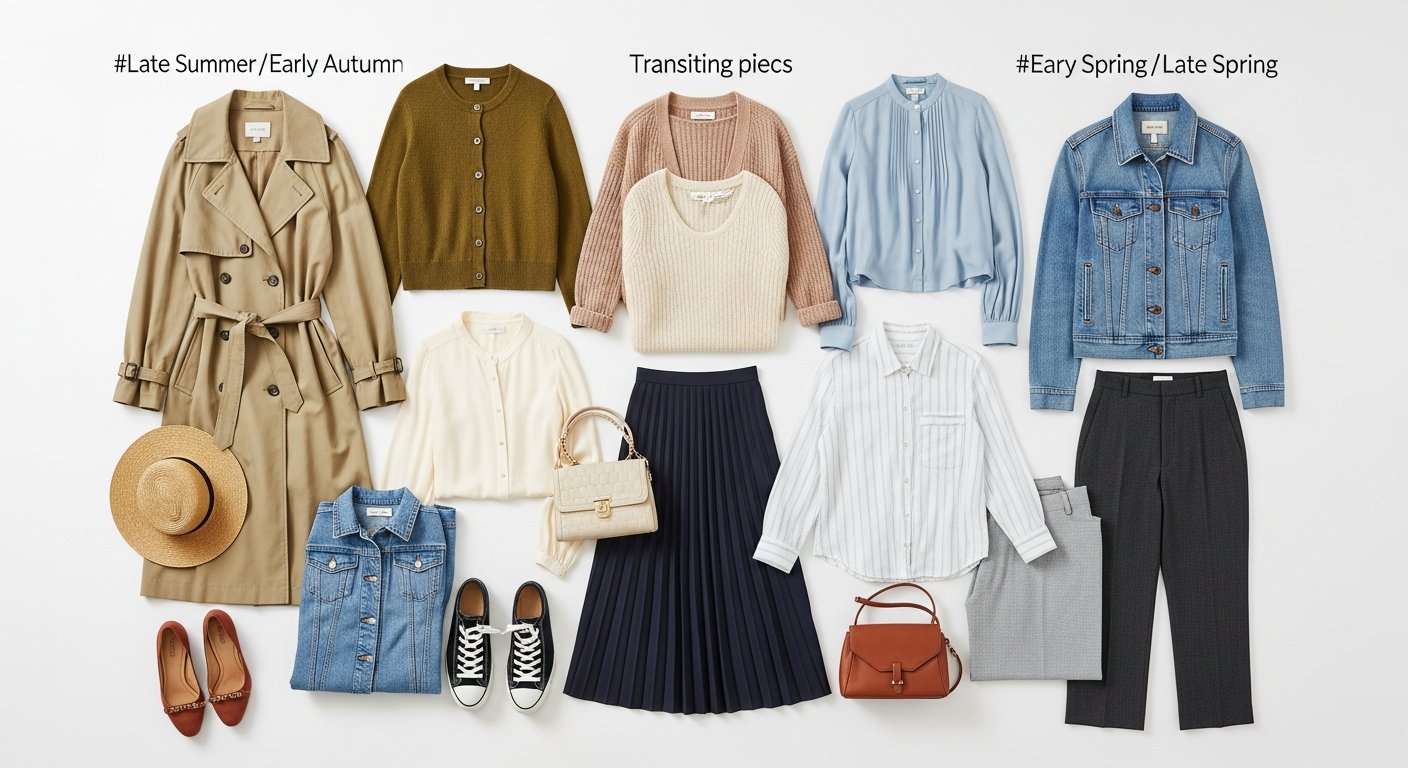
Building a successful transitional wardrobe hinges on selecting key pieces that are inherently versatile and adaptable. These are the workhorses of your closet, capable of being styled in countless ways and performing across various weather conditions. Investing in these essentials means you’ll always have a reliable foundation for your transitional outfits. Here’s a breakdown of must-have items:
Outerwear: From Light Jackets to Trench Coats
Your choice of outerwear is paramount in transitional dressing. It’s the first thing people see and often the most crucial layer for adapting to changing temperatures.
- Trench Coat: The undisputed champion of transitional outerwear. Its classic silhouette, water-resistant fabric, and removable lining (on some models) make it perfect for crisp mornings, rainy afternoons, and cool evenings. It instantly elevates any outfit.
- Denim Jacket: A casual yet chic staple. Ideal for adding a touch of laid-back cool to dresses, skirts, or even tailored trousers. It provides just enough warmth without being heavy.
- Blazer: A structured blazer in wool, linen, or a blend is excellent for adding polish and warmth. It can be dressed up for the office or down with jeans for a smart-casual look.
- Lightweight Cardigan/Knit Jacket: Easy to throw on, easy to take off. A fine-gauge merino wool or cotton blend cardigan provides comfort and a touch of elegance.
- Utility/Anorak Jacket: Functional and stylish, often featuring adjustable waists and practical pockets. Great for a more relaxed, adventurous vibe.
Tops: Versatile Blouses, Knits, and Tees
The right tops form the base and mid-layers of your transitional outfits, offering flexibility and comfort.
- Long-Sleeve Tee/Stripe Top: A foundational piece. Opt for breathable fabrics like cotton or modal. Perfect as a standalone or under jackets and cardigans.
- Silk or Viscose Blouse: Lightweight, elegant, and drapes beautifully. Can be worn tucked into trousers for work or casually with denim.
- Fine-Gauge Knit Sweater: A crew-neck or V-neck sweater in merino wool, cashmere, or a cotton blend offers warmth without bulk. Easily layered over a base tee or under a jacket.
- Chambray or Classic White Button-Down: A timeless classic. Wear it on its own, open over a tee, or layered under a sweater or blazer.
Bottoms: Smart Trousers, Skirts, and Denims
Your choice of bottoms should be comfortable and versatile, capable of pairing with various tops and outerwear.
- Straight-Leg or Wide-Leg Trousers: In a breathable wool blend, cotton, or linen mix. They offer sophistication and can be dressed up or down.
- Versatile Skirts: A midi-length skirt (pleated, A-line, or slip style) in a transitional fabric like satin, crepe, or lightweight wool can be worn with boots or sandals.
- Dark Wash Jeans: A foundational item. Choose a style that flatters your figure and can be dressed up or down with ease.
- Lightweight Cropped Pants: Ideal for warmer transitional days, offering comfort and style.
Dresses: The Ultimate One-Piece Solution
Dresses are fantastic for transitional periods because they offer a complete outfit that can be easily modified with layers and accessories.
- Midi Shirt Dress: Can be worn buttoned up, open over trousers, or cinched with a belt.
- Knit Dress: A fine-gauge knit midi dress in merino wool or cotton is comfortable and chic, perfect for layering with jackets or scarves.
- Slip Dress: An incredibly versatile piece. Wear it on its own on warmer days, or layer it over a long-sleeve tee, under a blazer, or with a chunky knit sweater.
Footwear: Adapting Your Steps
Don’t underestimate the power of footwear to complete your transitional look and provide comfort.
- Ankle Boots: Essential for cooler days, providing warmth and style. Pair with skirts, dresses, or trousers.
- Loafers/Mules: Perfect for a smart-casual look, offering comfort and sophistication.
- Stylish Sneakers: For ultimate comfort and a modern, casual vibe.
- Ballet Flats: A timeless classic for a polished, feminine touch.
- Closed-Toe Heels/Pumps: For formal occasions, ensuring your toes are covered if there’s a chill.
By carefully selecting a collection of these essential garments, you’ll create a robust and adaptable wardrobe that’s ready for any seasonal shift. The key is to choose pieces that can easily mix and match, allowing you to build countless outfits from a relatively small number of items.
| Garment Type | Transitional Benefit | Best Fabric/Style | Styling Tip |
|---|---|---|---|
| Trench Coat | Water-resistant, adjustable warmth, classic silhouette. | Cotton gabardine, blend with removable lining. | Layer over knitwear, cinched or open, with jeans or tailored pants. |
| Denim Jacket | Casual layering, versatile for dresses/pants, light warmth. | Mid-weight denim, classic blue or black. | Pair with a floral midi dress for contrast, or over a striped tee. |
| Fine-Gauge Knit Sweater | Breathable warmth, excellent for layering under jackets. | Merino wool, cashmere, cotton blend. | Wear over a collared shirt, or under a blazer with a silk scarf. |
| Midi Skirt | Versatile length for varying temperatures, adaptable. | Satin, crepe, lightweight wool, cotton. | With ankle boots and a knit top, or sneakers and a tee. |
| Ankle Boots | Covers feet for warmth, stylish with dresses or pants. | Leather or suede, block heel or flat. | Pair with flowy midi dresses, or cropped trousers. |
| Long-Sleeve Tee | Ideal base layer, comfortable, breathable. | Cotton, modal, thin merino. | Under a slip dress, with jeans and a blazer, or solo. |
[INLINE IMAGE 2: place after fourth H2 | alt=”transitional dressing comparison illustration”]
5. Styling Strategies for Seamless Seasonal Shifts
Once you have your essential transitional garments, the next step is to master the art of styling them. It’s not just about owning the right pieces; it’s about knowing how to put them together to create cohesive, comfortable, and chic outfits that adapt to any weather whim. These strategies will help you unlock the full potential of your transitional wardrobe.
The Art of Mixing and Matching
Transitional dressing thrives on versatility, and mixing and matching is its cornerstone. The goal is to create multiple outfits from a limited number of items, ensuring each piece earns its place in your wardrobe.
- Build Around Staples: Start with a foundational piece—a great pair of jeans, a neutral midi skirt, or tailored trousers. Then, experiment with different tops, layering pieces, and accessories.
- Texture Play: Combine different textures to add depth and interest without adding bulk. Think a silk blouse under a cashmere cardigan, or a denim jacket over a cotton dress.
- High-Low Mix: Don’t be afraid to pair formal pieces with casual ones. A structured blazer can elevate jeans and a tee, while sneakers can ground a sophisticated dress.
The beauty of mixing and matching is that it encourages creativity and helps you discover new outfit combinations you might not have considered, extending the life and utility of your garments.
Day-to-Night Transitions
One of the ultimate tests of a transitional outfit is its ability to seamlessly move from day to night. This is particularly important during seasons when temperatures can drop significantly after sunset.
- Swap Accessories: Transform a daytime look by switching out a practical tote for a clutch, or flats for heels. Add statement jewelry or a brighter scarf.
- Add a Statement Layer: A sophisticated blazer, a tailored jacket, or a chic wrap can instantly elevate a casual daytime top and bottom for an evening out.
- Change Lip Color: A quick swipe of a bolder lipstick can surprisingly transform your overall look from casual day to glam evening.
- Utilize Underlayers: A simple camisole worn under a blazer during the day can be revealed as a delicate top for the evening, perhaps with a necklace.
Planning for day-to-night transitions ensures you’re prepared for any spontaneous evening plans without needing a full wardrobe change.
Accessorizing for Impact and Function
Accessories are your secret weapon in transitional dressing. They provide both functional benefits (like warmth) and stylistic impact, allowing you to fine-tune your outfit without changing your core garments. Thoughtful accessorizing can completely transform a look.
- Scarves: Lightweight scarves in silk, cotton, or modal can add a pop of color, pattern, or warmth. They can be tied around the neck, draped over shoulders, or even used as a headscarf.
- Belts: A belt can redefine your silhouette when layering, cinching in a loose dress, oversized blazer, or cardigan to create shape and polish.
- Hats: A stylish wide-brim hat can protect from sun or light rain, while also adding a sophisticated flair.
- Jewelry: While not temperature-related, jewelry allows you to adjust the formality or mood of an outfit. Swap delicate pieces for bolder statement jewelry for an evening look.
The right accessories can make an outfit feel complete, allowing you to subtly shift its seasonal relevance and formality.
Leveraging Prints and Textures
Prints and textures are powerful tools for making an outfit feel “transitional.” They can add visual interest and help bridge the gap between seasonal aesthetics.
- Subtle Prints: Opt for abstract, subtle floral, or geometric prints rather than overtly summery or wintry motifs. Animal prints are also excellent for their year-round appeal.
- Textural Harmony: Mix smooth fabrics like silk with structured denim, or soft knits with crisp cotton. This interplay of textures adds depth without relying on heavy colors or patterns.
- Layering Patterns: For the more daring, try layering different prints within the same color family or complementary tones. A striped tee under a subtle plaid blazer, for instance.
By thoughtfully applying these styling strategies, you’ll not only master transitional dressing but also elevate your overall fashion game. It’s about becoming a stylist of your own wardrobe, capable of creating endless chic and adaptable ensembles.
6. Accessorizing for Transitional Dressing: The Finishing Touches
Accessories are the unsung heroes of transitional dressing. They offer an incredible degree of flexibility, allowing you to adjust warmth, add personality, and transform an outfit without having to change your core garments. Investing in a curated collection of versatile accessories is as important as having your essential clothing pieces.
Scarves: Your Multi-Purpose Ally
The scarf is perhaps the most versatile transitional accessory. Its ability to provide warmth, add a pop of color or pattern, and elevate an outfit is unmatched.
- Lightweight Silk/Cotton Scarves: Perfect for adding a touch of elegance or a splash of color. Wear them around your neck, tied to a handbag, or as a headscarf on warmer days. They offer minimal warmth but maximum style.
- Medium-Weight Modal/Fine Wool Scarves: These provide more substantial warmth for cooler mornings and evenings. They can be draped, wrapped, or tied in more intricate ways, adding texture and volume.
- Styling Versatility: A scarf can instantly change the neckline of a simple top, add a layer of sophistication to a blazer, or even serve as a light shawl for an outdoor event.
Having a few scarves in different weights, colors, and patterns will give you endless options for adapting your look.
Bags: Functionality Meets Fashion
While handbags aren’t typically for warmth, their functionality in carrying extra layers or adapting to different occasions makes them a key transitional accessory.
- Structured Tote: Ideal for carrying your removed layers (cardigan, scarf) during the day, as well as all your essentials. Choose a neutral color in quality leather or canvas for year-round appeal.
- Crossbody Bag: Perfect for hands-free convenience, especially when navigating unpredictable weather. A medium-sized crossbody can hold essentials and still look chic.
- Small Clutch/Evening Bag: For quick day-to-night transitions, having a smaller, dressier bag tucked away or easily swapped can instantly elevate an outfit.
Consider bags that are roomy enough for essentials plus a small scarf or light cardigan, balancing practicality with style.
Jewelry: Subtle Shifts for Big Impact
Jewelry might not change the temperature, but it certainly changes the mood and formality of an outfit, allowing for subtle yet impactful transitional shifts.
- Layered Necklaces: Start with delicate chains for a refined daytime look. For evening, add a chunkier pendant or a more elaborate necklace to draw attention.
- Statement Earrings: Swap out simple studs for bold hoops or drop earrings to instantly elevate your look for an evening event or a dressier occasion.
- Versatile Metals: Gold and silver are timeless. Consider pieces that combine both metals for maximum versatility across your wardrobe.
Jewelry is about personal expression, but also about knowing how to dial up or down the perceived formality of an ensemble.
Belts: Defining Your Silhouette
Belts are incredibly effective in transitional dressing, especially when layering is involved. They can rescue an outfit from looking shapeless and add a polished finish.
- Waist-Defining Belts: Cinch a loose-fitting dress, an oversized blazer, or a chunky cardigan at the waist to create an hourglass silhouette. This is particularly useful when layering, as it prevents a bulky appearance.
- Decorative Belts: A belt with an interesting buckle or texture can add a focal point to an otherwise simple outfit.
- Versatile Colors: Have at least one black, one brown/tan, and one neutral-colored belt. These will pair with most outfits and act as functional yet stylish elements.
By thoughtfully incorporating these accessories, you gain immense power to customize your transitional outfits for comfort, style, and seasonal appropriateness, ensuring you always look and feel your best.
7. Sustainable Approaches to Transitional Dressing: Conscious Style Choices
In 2026, fashion is increasingly intertwined with sustainability. Transitional dressing, by its very nature, aligns beautifully with ethical and environmentally conscious practices. By focusing on versatility, longevity, and mindful consumption, you can build a stylish wardrobe that not only serves you through fluctuating seasons but also benefits the planet.
Investing in Quality Over Quantity
The cornerstone of sustainable transitional dressing is a commitment to quality. Fast fashion encourages frequent, impulsive purchases of cheaply made garments that quickly fall apart or go out of style. In contrast, investing in high-quality pieces, even if they come with a higher upfront cost, pays dividends in the long run.
- Durability: Well-made garments, often from natural fibers like organic cotton, linen, merino wool, or Tencel, are designed to last. They withstand more washes and wear, reducing the need for constant replacement.
- Timelessness: Quality pieces often feature classic designs that transcend fleeting trends. A good trench coat, a cashmere sweater, or a classic pair of tailored trousers will remain stylish for years, if not decades.
- Cost-Per-Wear: Although more expensive initially, a high-quality item worn hundreds of times will have a lower cost-per-wear than a cheap item worn only a few times. This is a crucial metric for evaluating true value.
By prioritizing quality, you build a wardrobe of cherished items that you can rely on season after season, rather than a rotating collection of disposable clothes.
Embracing a Capsule Wardrobe Mindset
The principles of transitional dressing naturally lead to a capsule wardrobe approach. A capsule wardrobe is a curated collection of essential garments that can be mixed and matched to create numerous outfits. This philosophy is inherently sustainable because it reduces overall consumption and maximizes the utility of each item.
- Curated Selection: Focus on pieces that are versatile in color, style, and fabric, allowing them to pair seamlessly with other items in your collection.
- Reduced Overwhelm: A smaller, more cohesive wardrobe makes getting dressed easier and more enjoyable.
- Mindful Shopping: With a capsule in mind, you’re less likely to buy impulse items and more likely to seek out specific, high-quality pieces that fill a gap.
Building a transitional capsule means every item works hard, reducing waste and promoting a more intentional relationship with your clothes.
Repair, Reuse, Repurpose
Extending the life of your existing garments is one of the most impactful sustainable actions you can take. Transitional dressing encourages this by valuing longevity over novelty.
- Learn Basic Repairs: Simple mending like sewing on a button, patching a small hole, or fixing a seam can significantly extend a garment’s life.
- Professional Alterations: A well-fitting garment is more likely to be worn. Invest in alterations to ensure your clothes fit perfectly, especially high-quality pieces.
- Repurpose or Upcycle: When a garment is truly beyond repair or no longer fits its original purpose, consider repurposing it. An old sweater could become a cushion cover, or worn jeans could be cut into shorts.
- Donate and Resell: For items you no longer wear but are still in good condition, donate them to charity or sell them through consignment stores or online platforms. This gives them a second life and keeps them out of landfills.
These practices foster a deeper appreciation for your clothes and reduce your environmental footprint.
Shopping Ethically and Locally
When you do need to purchase new items for your transitional wardrobe, consider the ethical and environmental impact of your choices.
- Ethical Brands: Research brands that prioritize fair labor practices, sustainable sourcing, and environmentally friendly production methods.
- Secondhand/Vintage: Shopping pre-loved is an excellent way to acquire unique, high-quality pieces while dramatically reducing demand for new production.
- Local Artisans: Support local designers and makers who often create small-batch, high-quality items with a lower carbon footprint.
- Understand Certifications: Look for certifications like GOTS (Global Organic Textile Standard), Oeko-Tex, or Fair Trade, which indicate adherence to specific environmental and social standards.
By integrating sustainable practices into your transitional dressing philosophy, you’re not only building a smarter wardrobe for yourself but also contributing positively to the fashion industry and the planet. It’s about making conscious choices that reflect a commitment to a better future.
8. Building a Transitional Capsule Wardrobe: Your Core Collection
A transitional capsule wardrobe is the ultimate expression of smart, sustainable style. It’s a carefully curated collection of versatile pieces that can be mixed, matched, and layered to create countless outfits suitable for any weather between seasons. This approach simplifies dressing, reduces decision fatigue, and ensures every item in your closet serves a meaningful purpose.
Identifying Your Style Staples
The first step in building your capsule is to identify your personal style staples. These are the items you reach for constantly, the silhouettes that flatter you most, and the colors that make you feel confident. Think about your lifestyle—do you need more casual, work, or dressy items?
- Core Neutrals: Select 3-4 neutral colors that form the foundation of your wardrobe (e.g., black, navy, white, beige, grey, olive). Most of your capsule pieces should fall into these categories.
- Silhouette Preference: Do you prefer skinny jeans or wide-leg trousers? Fitted blazers or oversized cardigans? Focus on shapes that make you feel good and work with layering.
- Signature Pieces: Identify a few key items that truly reflect your personal style, whether it’s a patterned silk scarf, a unique piece of jewelry, or a specific type of shoe. These will add personality to your core collection.
The goal is to select pieces that feel authentically “you” and can be easily integrated with each other.
Creating a Cohesive Color Story
A cohesive color story is crucial for a functional capsule. It ensures that virtually every top can go with every bottom