
Women’s Fashion, Style & Wardrobe Trends 2026: Your Ultimate Guide
Affiliate disclosure: This article may contain affiliate links. Recommendations are independent and editorially driven.
Welcome to your essential guide to navigating the dynamic world of women’s fashion in 2026. At fashiongoggled, we believe true style blends current trends with timeless elegance, crafting a wardrobe that speaks to your individuality and commitment to conscious choices. This year, the landscape is evolving, moving beyond fleeting fads toward a more considered approach to personal expression.
The defining aesthetic of 2026 centers around “polished comfort” and “effortless elegance.” We’re seeing a significant shift towards versatile pieces that celebrate both form and function, ensuring you look impeccable while feeling at ease. From the resurgence of relaxed tailoring to the playful sophistication of sheer layers, and the grounding serenity of warm color palettes, this guide will equip you with everything you need to curate a modern, stylish, and sustainable wardrobe.
Prepare to explore the key trends, discover the must-have pieces, and learn how to seamlessly integrate them into your existing style. Whether you’re refreshing your everyday looks, building a capsule wardrobe, or seeking inspiration for specific occasions, fashiongoggled is here to be your trusted advisor in mastering women’s fashion in 2026.
The Defining Aesthetic: Polished Comfort & Quiet Luxury
In 2026, the fashion narrative is less about overt branding and more about nuanced sophistication. The “quiet luxury” movement, which gained significant traction, solidifies its position, emphasizing high-quality fabrication, impeccable tailoring, and a refined aesthetic. This isn’t about extravagance, but rather investing in pieces that exude confidence and understated charm, designed to last beyond a single season.
Alongside this, “polished comfort” dictates our daily dressing. We demand clothing that transitions effortlessly from professional environments to casual outings, prioritizing comfort without sacrificing style. Think breathable fabrics, relaxed silhouettes, and designs that offer freedom of movement while maintaining a chic visual appeal. This trend is a direct response to a lifestyle that values both productivity and well-being.
Key Elements of the 2026 Aesthetic
- Understated Elegance: Focus on classic cuts, neutral palettes, and subtle details.
- Versatility: Pieces that can be dressed up or down, suitable for multiple occasions.
- Luxurious Fabrics: Prioritizing natural fibers like silk, linen, merino wool, and cashmere blends.
- Impeccable Fit: Tailoring remains paramount, ensuring garments drape beautifully on the body.
- Conscious Consumption: A move towards fewer, better-quality items that minimize environmental impact.
Color Palettes & Textural Trends for 2026
Color and texture play a pivotal role in setting the mood for 2026 women’s fashion. This year’s palette is grounded in serene neutrals but punctuated by carefully selected accent hues that add depth and personality. Textural diversity creates visual interest and elevates even the simplest silhouettes.
Warm Earthy Neutrals: The Foundation
The ubiquity of warm earthy neutrals continues, forming the bedrock of a sophisticated 2026 wardrobe. These shades offer unparalleled versatility and a sense of calm sophistication.
- Oatmeal & Cream: Soft, inviting, and perfect for creating monochromatic looks or as a base for bolder colors.
- Warm Sand & Terracotta: Rich, natural tones that evoke a connection to the earth, ideal for building a cohesive aesthetic.
- Mushroom & Stone Greys: More nuanced than stark white or black, these offer depth and a modern edge.
Pops of Color: Thoughtful Accents
While neutrals dominate, strategic pops of color add vibrancy and character.
- Butter Yellow: A delightful, soft pastel that brings a cheerful yet sophisticated touch. Expect to see it in knitwear, blouses, and accessories.
- Forest Green: Deep and luxurious, forest green offers a rich alternative to traditional navy or black, particularly striking in tailored pieces and evening wear.
- Deep Burgundy: A classic, opulent shade that adds warmth and drama, perfect for coats, leather goods, and statement dresses.
[INLINE IMAGE 1: place after second H2 | alt=”Inspirational 2026 women’s street style featuring an oversized beige blazer, white wide-leg trousers, and a minimal leather shoulder bag”]
Textural Play: Adding Depth and Interest
Texture is key to making outfits feel rich and considered, even in minimalist aesthetics. Layering different textures adds dimension without relying on busy prints.
- Transparent Sheer Layering: Organza, chiffon, and mesh fabrics are no longer just for evening. They appear in delicate blouses, under-layers, and innovative outerwear, offering a peek-a-boo effect that is elegant, not revealing.
- Fringing & Embellishments: Subtle fringing on hemlines, sleeves, or accessory details adds dynamic movement and a touch of bohemian chic to otherwise classic pieces.
- Knitted Textures: From chunky cable knits to fine gauge merino, varied knit textures are crucial for comfort and style, especially in cardigans, sweaters, and even skirts.
- Linen Blends: The crinkled, breathable nature of linen continues to be a favorite, especially in relaxed tailoring for its natural elegance and comfort.
Wardrobe Essentials: Building Your 2026 Capsule
A well-curated capsule wardrobe is the cornerstone of effortless style in 2026. Focus on versatile, high-quality pieces that mix and match seamlessly, adapting to various occasions and seasons. Here are the essential items to build around:
The Oversized Neutral Blazer (Style with Wide-Leg White Trousers)
The blazer remains a non-negotiable staple, but in 2026, it’s all about a relaxed, oversized fit in a neutral tone like oatmeal, beige, or stone. This piece instantly elevates any outfit, from casual denim looks to more formal ensembles.
- Fabric: Wool blends, linen blends, or even a soft tweed for texture.
- Styling Tip: Drape it over your shoulders for a chic touch, wear it open with a simple tank, or belt it for a more defined silhouette. Pair it with crisp white wide-leg trousers for a fresh, sophisticated aesthetic.
Wide-Leg Linen Trousers (in Oatmeal or Warm Sand)
Say goodbye to restrictive skinny pants. Wide-leg trousers, especially in breathable linen or linen blends, are the epitome of 2026’s polished comfort. Colors like oatmeal, warm sand, or soft cream are incredibly versatile.
- Comfort Meets Chic: Provides freedom of movement and a sophisticated drape.
- Versatility: Perfect for desk-to-dinner transitions, holiday wear, or relaxed weekend outings. Pair with a fitted top to balance the volume.
Sheer Midi Dresses & Mesh Details
Embrace ethereal elegance with sheer midi dresses or tops featuring subtle mesh details. This trend offers a delicate balance of allure and sophistication, perfect for layering.
- Layering Art: Wear a slip dress underneath a sheer midi, or layer a mesh top over a simple bra top or camisole.
- Occasions: From daytime chic with chunky boots to evening events with elegant heels.
The Perfectly Fitted Straight-Leg Jean
Denim is a timeless classic, and in 2026, the focus is on a perfectly fitted, high-waisted, straight-leg style. This cut offers a flattering silhouette that works with everything from sneakers to heels. Shop the Best High-Waisted Straight-Leg Jeans on our site.
- Wash: Medium to dark washes are preferred for their versatility and enduring appeal.
- Sustainable Choice: Look for brands committed to eco-friendly denim production.
Elegant Knitwear: Cashmere & Merino Blends
Investment in high-quality knitwear is fundamental. Think fine-gauge merino wool for sleek cardigans and crewnecks, or luxurious cashmere blends for ultimate comfort and softness.
- Staple Items: A fitted turtleneck, an oversized cardigan, and a classic crew-neck sweater are essential.
- Color Palette: Stick to neutrals like camel, grey, or black, adding a pop of butter yellow or forest green for interest. Explore our selection of sustainable knitwear.
The Classic White Shirt (with an updated twist)
A crisp white shirt is non-negotiable. For 2026, consider slightly oversized fits, subtle textural details (like a satin stripe or subtle embroidery), or unique collar designs to add a contemporary edge to this enduring classic.
- Versatility: Essential for professional settings, weekend brunch, or even as a light jacket over a tank.
Statement Skirts: Elevated Midi & Maxi Silhouettes
Skirts are making a strong statement in 2026, particularly in midi and maxi lengths. Think flowing satin skirts, structured A-line variations, or pleated designs in rich textures or colors.
- Fabric: Silk, satin, wool blends, or even elegant corduroy.
- Styling: Pair with an elegant knit, a simple tee, or a tailored blazer for varied looks.
[INLINE IMAGE 2: place after fourth H2 | alt=”comparison illustration”]
Essential Accessories: The Finishing Touches

Accessories are the narrative threads that tie an outfit together, adding personality and polish. In 2026, we’re focusing on timeless pieces with contemporary twists, emphasizing quality over quantity.
Minimalist Jewelry: Sculptural Yet Subtle
The trend leans towards sculptural, minimalist jewelry that makes a statement without being overtly flashy. Think organic shapes, delicate layering, and mixed metals.
- Gold & Silver Staples: Invest in high-quality everyday pieces like hoops, delicate chain necklaces, and stackable rings.
- Statement Cuffs: A single, well-chosen cuff bracelet can elevate a simple outfit.
Structured Yet Soft Handbags
Handbags for 2026 strike a balance between structure and softness. Think clean lines but with supple leathers or woven textures that feel luxurious and comfortable to carry.
- Shoulder Bags: The return of the elegant shoulder bag, often with a slightly elongated or curved silhouette.
- Tote Bags: Practical yet stylish, perfect for the modern woman on the go, often in natural canvas or soft leather.
The Elevated Flat: Loafers & Ballet Flats
Comfortable yet chic footwear is paramount. Loafers and ballet flats, reinvented with modern details, are your go-to for both casual and semi-formal occasions.
- Chunky Loafers: With slightly thicker soles for a contemporary edge.
- Ballet Flats: In soft leathers, often with subtle embellishments or square toes.
Statement Belts: Defining the Silhouette
Belts are no longer just functional; they’re essential styling tools. Use them to cinch oversized blazers, define the waist of flowing dresses, or simply to add an extra layer of polish to your trousers.
- Leather Quality: Invest in high-quality leather belts in classic colors like black, brown, and tan.
- Hardware: Minimalist or subtly branded buckles are preferred.
Dressing for Occasions: From Work to Weekend to Evening
The beauty of 2026 women’s fashion lies in its adaptability. Capsule wardrobe pieces, coupled with strategic accessories, allow for seamless transitions across various lifestyle demands.
Professional Polish: The Modern Office Look
The traditional corporate uniform has evolved. In 2026, professional attire embraces comfort and individuality while maintaining an air of authority and sophistication.
- Power Blazer: Your oversized neutral blazer paired with wide-leg trousers or a pencil skirt.
- Elevated Basics: A silk blouse, a fine-gauge knit, or a crisp white shirt under your blazer.
- Footwear: Loafers, elegant pumps, or heeled ankle boots.
- Accessories: Structured handbag, minimalist jewelry.
Weekend Chic: Effortless & Relaxed
Weekends are for unwinding, but that doesn’t mean sacrificing style. The key is effortless elegance that feels relaxed and put-together.
- Denim Done Right: Your perfectly fitted straight-leg jeans with a soft cashmere sweater or a butter yellow knit.
- Layering: A white T-shirt under an open oversized shirt (perhaps in linen) or a light knit cardigan.
- Casual Outerwear: A chic trench coat or a sophisticated bomber jacket.
- Footwear: Stylish sneakers, ballet flats, or comfortable ankle boots.
Evening Elegance: Understated Glamour
Evening wear in 2026 is about sophisticated allure rather than overt sparkle. Emphasis is on exquisite fabrics, thoughtful silhouettes, and subtle details.
- Sheer Statements: A sheer midi dress layered over a slip, or a top with mesh details paired with a sleek skirt.
- Satin & Silk: Flowing satin skirts or silk dresses in deep burgundy or forest green.
- Tailored Touches: A beautifully tailored black jumpsuit or a sharp suit paired with a delicate camisole.
- Accessories: Delicate jewelry, a compact clutch, and elegant heels.
Sustainable Style: Conscious Choices in 2026

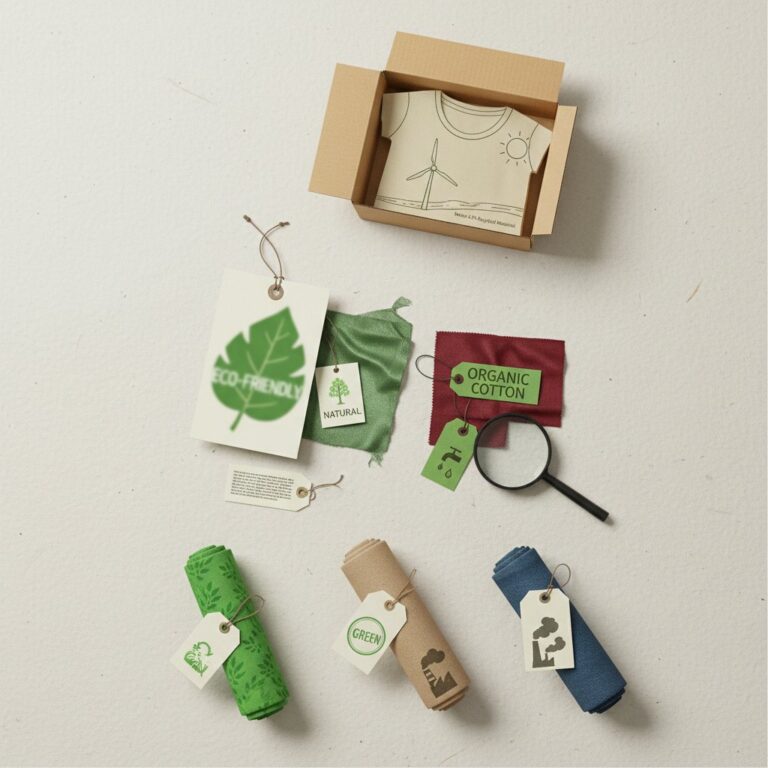
Sustainability is no longer a niche concern; it’s an integral part of modern fashion. In 2026, consumers are increasingly seeking transparency, ethical production, and eco-friendly materials. Building a sustainable wardrobe is about making informed choices that benefit both your style and the planet.
Prioritizing Quality Over Quantity
The core principle of sustainable fashion is embracing a capsule wardrobe approach. Investing in fewer, higher-quality items means they last longer, reducing the need for constant replacement and minimizing fashion waste.
- Longevity: Choose durable fabrics and classic designs that won’t quickly go out of style.
- Versatility: Opt for pieces that can be styled in multiple ways for various occasions.
Embracing Eco-Friendly Fabrics
The textile industry is undergoing a significant transformation, with a growing number of sustainable options available.
- Organic Cotton & Linen: Grown without harmful pesticides and requiring less water.
- Recycled Materials: Polyester and nylon made from recycled plastic bottles or ocean waste.
- Innovative Fibers: Such as Tencel™ Lyocell (made from sustainably sourced wood pulp) which is highly breathable and soft.
- Deadstock & Upcycled: Utilizing existing fabrics or garments to create new designs, reducing waste.
Supporting Ethical Production & Transparency
Understanding where and how your clothes are made is crucial. Look for brands that prioritize fair labor practices, safe working conditions, and transparent supply chains.
- Certifications: Labels like Fair Trade, GOTS (Global Organic Textile Standard), or OEKO-TEX® indicate adherence to specific environmental and social standards.
- Brand Philosophy: Research brands that openly share their sustainability goals and progress.
Extending Garment Lifespan
The most sustainable garment is the one you already own. Proper care, repair, and mindful disposal are key.
- Care: Follow washing instructions to prolong the life of your clothes. Hand-washing or cold water cycles save energy and protect fabric integrity.
- Repair: Learn basic mending or support local tailors and repair shops.
- Donate & Recycle: When a garment reaches the end of its life, donate it if it’s still wearable or find textile recycling programs.
Comparison Table: 2026 Style Staples
To help you prioritize your 2026 fashion investments, here’s a comparison of key wardrobe staples and their benefits:
| Wardrobe Staple | Key Benefits | Styling Versatility | Typical Fabric/Material |
|---|---|---|---|
| Oversized Neutral Blazer | Instantly elevates, provides structure, comfortable | Office, casual, evening cover-up | Wool blend, Linen blend, Viscose |
| Wide-Leg Trousers | Polished comfort, flattering silhouette, breathable | Work, weekend, formal events | Linen, Cotton blend, Crepe |
| Sheer Midi Dress | Elegant, trend-forward, versatile for layering | Daytime chic, evening wear | Chiffon, Organza, Mesh, Tencel™ |
| Straight-Leg Jeans | Timeless, comfortable, foundational piece | Casual, smart-casual, weekend | Cotton, Cotton-stretch denim |
| Cashmere/Merino Sweater | Luxurious, warm, durable, soft hand-feel | Layering, standalone, cozy chic | Cashmere, Merino Wool, Alpaca |
| White Button-Up Shirt | Crisp, versatile, professional, classic | Office, casual, layering over tees | Cotton Poplin, Silk blend, Linen |
| Structured Shoulder Bag | Polished, organized, timeless accessory | Everyday, work, evening | Leather, Vegan leather, Suede |
Embracing Your Personal Style Within Trends
While trends offer exciting new directions, the ultimate goal of fashion is authentic self-expression. In 2026, the fluidity of trends allows for greater personalization. The key is to cherry-pick elements that resonate with your personal aesthetic and adapt them in a way that feels cohesive and true to you.
Understanding Your Style Identity
Before adopting any trend, take time to understand your foundational style. What colors do you naturally gravitate towards? Which silhouettes flatter your body shape and make you feel confident? Are you more minimalist, bohemian, classic, or edgy? Knowing your core style helps you filter trends effectively.
- Visual Research: Create mood boards with images that inspire you, identifying recurring themes.
- Wardrobe Audit: Analyze your current wardrobe to see what you love wearing and what you consistently reach for.
Adapting Trends: Make Them Your Own
Trends are a guide, not a rulebook. Instead of duplicating runway looks, consider how a trend can be reinterpreted to suit your lifestyle and existing wardrobe.
- Mix High and Low: Pair a high-fashion sheer top with your favorite straight-leg jeans.
- Subtle Incorporation: If head-to-toe butter yellow feels intimidating, try a butter yellow scarf, handbag, or a single knit top.
- Focus on Key Elements: Perhaps it’s the silhouette of wide-leg trousers that appeals, or the texture of fringing on an accessory, rather than adopting an entire look.
The Art of Thoughtful Shopping
With an understanding of both current trends and your personal style, shopping becomes a more intentional and enjoyable experience. Focus on filling gaps in your capsule wardrobe and acquiring pieces that will truly enhance your existing collection.
- Investment Pieces: Prioritize quality for foundational items like blazers, coats, and timeless handbags.
- Trend-Driven Updates: For more trend-specific items like a sheer top or a particular color, you might explore more accessible price points, ensuring they still align with your values (e.g., sustainable brands).
- Pre-Loved & Vintage: Discover unique pieces and reduce environmental impact by exploring second-hand and vintage markets.
By thoughtfully integrating 2026’s women’s fashion trends with your personal style, you’ll create a wardrobe that is not only current and chic but also authentically yours. fashiongoggled empowers you to dress with confidence, purpose, and a keen eye for timeless elegance.
Frequently Asked Questions
Q1: What are the key women’s fashion trends for 2026?
A1: The dominant fashion trends for women in 2026 center around ‘polished comfort,’ relaxed minimalist tailoring, oversized blazers, sheer layering, and a fusion of vintage and modern aesthetics. Quiet luxury continues to influence, emphasizing quality over overt branding.
Q2: What colors are trending in women’s fashion in 2026?
A2: For 2026, warm earthy neutrals like oatmeal, mushroom, and terracotta form the foundation of many wardrobes. These are complemented by thoughtful accent colors such as soft butter yellow, rich forest green, and deep burgundy, offering both sophistication and vibrancy.
Q3: How can I build a sustainable wardrobe in 2026?
A3: Building a sustainable wardrobe in 2026 involves prioritizing quality over quantity, investing in durable and versatile pieces, and opting for eco-friendly fabrics like organic cotton, linen, recycled materials, and innovative fibers such as Tencel™. Additionally, support brands with ethical production practices and extend the lifespan of your garments through proper care and repair.
Q4: What are the essential wardrobe pieces for a 2026 capsule?
A4: Key essentials for a 2026 capsule wardrobe include an oversized neutral blazer, wide-leg linen trousers (especially in oatmeal or warm sand), a perfectly fitted straight-leg jean, elegant cashmere/merino knitwear, a versatile white button-up shirt, sheer midi dresses or mesh tops, and elevated midi/maxi skirts.
Q5: What kind of accessories are trending for 2026?
A5: Accessories for 2026 focus on minimalist yet sculptural jewelry, structured but soft handbags (especially elegant shoulder bags), elevated flats such as chunky loafers and reinvented ballet flats, and statement belts used to define silhouettes. The emphasis is on quality and timeless design with a contemporary twist.
Women’s Fashion, Style & Wardrobe Trends 2026: Your Ultimate Guide
Affiliate disclosure: This article may contain affiliate links. Recommendations are independent and editorially driven.
Welcome to your essential guide to navigating the dynamic world of women’s fashion in 2026. At fashiongoggled, we believe true style blends current trends with timeless elegance, crafting a wardrobe that speaks to your individuality and commitment to conscious choices. This year, the landscape is evolving, moving beyond fleeting fads toward a more considered approach to personal expression.
The defining aesthetic of 2026 centers around “polished comfort” and “effortless elegance.” We’re seeing a significant shift towards versatile pieces that celebrate both form and function, ensuring you look impeccable while feeling at ease. From the resurgence of relaxed tailoring to the playful sophistication of sheer layers, and the grounding serenity of warm color palettes, this guide will equip you with everything you need to curate a modern, stylish, and sustainable wardrobe.
Prepare to explore the key trends, discover the must-have pieces, and learn how to seamlessly integrate them into your existing style. Whether you’re refreshing your everyday looks, building a capsule wardrobe, or seeking inspiration for specific occasions, fashiongoggled is here to be your trusted advisor in mastering women’s fashion in 2026.
The Defining Aesthetic: Polished Comfort & Quiet Luxury
In 2026, the fashion narrative is less about overt branding and more about nuanced sophistication. The “quiet luxury” movement, which gained significant traction, solidifies its position, emphasizing high-quality fabrication, impeccable tailoring, and a refined aesthetic. This isn’t about extravagance, but rather investing in pieces that exude confidence and understated charm, designed to last beyond a single season.
Alongside this, “polished comfort” dictates our daily dressing. We demand clothing that transitions effortlessly from professional environments to casual outings, prioritizing comfort without sacrificing style. Think breathable fabrics, relaxed silhouettes, and designs that offer freedom of movement while maintaining a chic visual appeal. This trend is a direct response to a lifestyle that values both productivity and well-being.
Key Elements of the 2026 Aesthetic
- Understated Elegance: Focus on classic cuts, neutral palettes, and subtle details.
- Versatility: Pieces that can be dressed up or down, suitable for multiple occasions.
- Luxurious Fabrics: Prioritizing natural fibers like silk, linen, merino wool, and cashmere blends.
- Impeccable Fit: Tailoring remains paramount, ensuring garments drape beautifully on the body.
- Conscious Consumption: A move towards fewer, better-quality items that minimize environmental impact.
Color Palettes & Textural Trends for 2026
Color and texture play a pivotal role in setting the mood for 2026 women’s fashion. This year’s palette is grounded in serene neutrals but punctuated by carefully selected accent hues that add depth and personality. Textural diversity creates visual interest and elevates even the simplest silhouettes.
Warm Earthy Neutrals: The Foundation
The ubiquity of warm earthy neutrals continues, forming the bedrock of a sophisticated 2026 wardrobe. These shades offer unparalleled versatility and a sense of calm sophistication.
- Oatmeal & Cream: Soft, inviting, and perfect for creating monochromatic looks or as a base for bolder colors.
- Warm Sand & Terracotta: Rich, natural tones that evoke a connection to the earth, ideal for building a cohesive aesthetic.
- Mushroom & Stone Greys: More nuanced than stark white or black, these offer depth and a modern edge.
Pops of Color: Thoughtful Accents
While neutrals dominate, strategic pops of color add vibrancy and character.
- Butter Yellow: A delightful, soft pastel that brings a cheerful yet sophisticated touch. Expect to see it in knitwear, blouses, and accessories.
- Forest Green: Deep and luxurious, forest green offers a rich alternative to traditional navy or black, particularly striking in tailored pieces and evening wear.
- Deep Burgundy: A classic, opulent shade that adds warmth and drama, perfect for coats, leather goods, and statement dresses.
[INLINE IMAGE 1: place after second H2 | alt=”Inspirational 2026 women’s street style featuring an oversized beige blazer, white wide-leg trousers, and a minimal leather shoulder bag”]
Textural Play: Adding Depth and Interest
Texture is key to making outfits feel rich and considered, even in minimalist aesthetics. Layering different textures adds dimension without relying on busy prints.
- Transparent Sheer Layering: Organza, chiffon, and mesh fabrics are no longer just for evening. They appear in delicate blouses, under-layers, and innovative outerwear, offering a peek-a-boo effect that is elegant, not revealing.
- Fringing & Embellishments: Subtle fringing on hemlines, sleeves, or accessory details adds dynamic movement and a touch of bohemian chic to otherwise classic pieces.
- Knitted Textures: From chunky cable knits to fine gauge merino, varied knit textures are crucial for comfort and style, especially in cardigans, sweaters, and even skirts.
- Linen Blends: The crinkled, breathable nature of linen continues to be a favorite, especially in relaxed tailoring for its natural elegance and comfort.
Wardrobe Essentials: Building Your 2026 Capsule
A well-curated capsule wardrobe is the cornerstone of effortless style in 2026. Focus on versatile, high-quality pieces that mix and match seamlessly, adapting to various occasions and seasons. Here are the essential items to build around:
The Oversized Neutral Blazer (Style with Wide-Leg White Trousers)
The blazer remains a non-negotiable staple, but in 2026, it’s all about a relaxed, oversized fit in a neutral tone like oatmeal, beige, or stone. This piece instantly elevates any outfit, from casual denim looks to more formal ensembles.
- Fabric: Wool blends, linen blends, or even a soft tweed for texture.
- Styling Tip: Drape it over your shoulders for a chic touch, wear it open with a simple tank, or belt it for a more defined silhouette. Pair it with crisp white wide-leg trousers for a fresh, sophisticated aesthetic.
Wide-Leg Linen Trousers (in Oatmeal or Warm Sand)
Say goodbye to restrictive skinny pants. Wide-leg trousers, especially in breathable linen or linen blends, are the epitome of 2026’s polished comfort. Colors like oatmeal, warm sand, or soft cream are incredibly versatile.
- Comfort Meets Chic: Provides freedom of movement and a sophisticated drape.
- Versatility: Perfect for desk-to-dinner transitions, holiday wear, or relaxed weekend outings. Pair with a fitted top to balance the volume.
Sheer Midi Dresses & Mesh Details
Embrace ethereal elegance with sheer midi dresses or tops featuring subtle mesh details. This trend offers a delicate balance of allure and sophistication, perfect for layering.
- Layering Art: Wear a slip dress underneath a sheer midi, or layer a mesh top over a simple bra top or camisole.
- Occasions: From daytime chic with chunky boots to evening events with elegant heels.
The Perfectly Fitted Straight-Leg Jean
Denim is a timeless classic, and in 2026, the focus is on a perfectly fitted, high-waisted, straight-leg style. This cut offers a flattering silhouette that works with everything from sneakers to heels. Shop the Best High-Waisted Straight-Leg Jeans on our site.
- Wash: Medium to dark washes are preferred for their versatility and enduring appeal.
- Sustainable Choice: Look for brands committed to eco-friendly denim production.
Elegant Knitwear: Cashmere & Merino Blends
Investment in high-quality knitwear is fundamental. Think fine-gauge merino wool for sleek cardigans and crewnecks, or luxurious cashmere blends for ultimate comfort and softness.
- Staple Items: A fitted turtleneck, an oversized cardigan, and a classic crew-neck sweater are essential.
- Color Palette: Stick to neutrals like camel, grey, or black, adding a pop of butter yellow or forest green for interest. Explore our selection of sustainable knitwear.
The Classic White Shirt (with an updated twist)
A crisp white shirt is non-negotiable. For 2026, consider slightly oversized fits, subtle textural details (like a satin stripe or subtle embroidery), or unique collar designs to add a contemporary edge to this enduring classic.
- Versatility: Essential for professional settings, weekend brunch, or even as a light jacket over a tank.
Statement Skirts: Elevated Midi & Maxi Silhouettes
Skirts are making a strong statement in 2026, particularly in midi and maxi lengths. Think flowing satin skirts, structured A-line variations, or pleated designs in rich textures or colors.
- Fabric: Silk, satin, wool blends, or even elegant corduroy.
- Styling: Pair with an elegant knit, a simple tee, or a tailored blazer for varied looks.
[INLINE IMAGE 2: place after fourth H2 | alt=”comparison illustration”]
Essential Accessories: The Finishing Touches
Accessories are the narrative threads that tie an outfit together, adding personality and polish. In 2026, we’re focusing on timeless pieces with contemporary twists, emphasizing quality over quantity.
Minimalist Jewelry: Sculptural Yet Subtle
The trend leans towards sculptural, minimalist jewelry that makes a statement without being overtly flashy. Think organic shapes, delicate layering, and mixed metals.
- Gold & Silver Staples: Invest in high-quality everyday pieces like hoops, delicate chain necklaces, and stackable rings.
- Statement Cuffs: A single, well-chosen cuff bracelet can elevate a simple outfit.
Structured Yet Soft Handbags
Handbags for 2026 strike a balance between structure and softness. Think clean lines but with supple leathers or woven textures that feel luxurious and comfortable to carry.
- Shoulder Bags: The return of the elegant shoulder bag, often with a slightly elongated or curved silhouette.
- Tote Bags: Practical yet stylish, perfect for the modern woman on the go, often in natural canvas or soft leather.
The Elevated Flat: Loafers & Ballet Flats
Comfortable yet chic footwear is paramount. Loafers and ballet flats, reinvented with modern details, are your go-to for both casual and semi-formal occasions.
- Chunky Loafers: With slightly thicker soles for a contemporary edge.
- Ballet Flats: In soft leathers, often with subtle embellishments or square toes.
Statement Belts: Defining the Silhouette
Belts are no longer just functional; they’re essential styling tools. Use them to cinch oversized blazers, define the waist of flowing dresses, or simply to add an extra layer of polish to your trousers.
- Leather Quality: Invest in high-quality leather belts in classic colors like black, brown, and tan.
- Hardware: Minimalist or subtly branded buckles are preferred.
Dressing for Occasions: From Work to Weekend to Evening
The beauty of 2026 women’s fashion lies in its adaptability. Capsule wardrobe pieces, coupled with strategic accessories, allow for seamless transitions across various lifestyle demands.
Professional Polish: The Modern Office Look
The traditional corporate uniform has evolved. In 2026, professional attire embraces comfort and individuality while maintaining an air of authority and sophistication.
- Power Blazer: Your oversized neutral blazer paired with wide-leg trousers or a pencil skirt.
- Elevated Basics: A silk blouse, a fine-gauge knit, or a crisp white shirt under your blazer.
- Footwear: Loafers, elegant pumps, or heeled ankle boots.
- Accessories: Structured handbag, minimalist jewelry.
Weekend Chic: Effortless & Relaxed
Weekends are for unwinding, but that doesn’t mean sacrificing style. The key is effortless elegance that feels relaxed and put-together.
- Denim Done Right: Your perfectly fitted straight-leg jeans with a soft cashmere sweater or a butter yellow knit.
- Layering: A white T-shirt under an open oversized shirt (perhaps in linen) or a light knit cardigan.
- Casual Outerwear: A chic trench coat or a sophisticated bomber jacket.
- Footwear: Stylish sneakers, ballet flats, or comfortable ankle boots.
Evening Elegance: Understated Glamour
Evening wear in 2026 is about sophisticated allure rather than overt sparkle. Emphasis is on exquisite fabrics, thoughtful silhouettes, and subtle details.
- Sheer Statements: A sheer midi dress layered over a slip, or a top with mesh details paired with a sleek skirt.
- Satin & Silk: Flowing satin skirts or silk dresses in deep burgundy or forest green.
- Tailored Touches: A beautifully tailored black jumpsuit or a sharp suit paired with a delicate camisole.
- Accessories: Delicate jewelry, a compact clutch, and elegant heels.
Sustainable Style: Conscious Choices in 2026
Sustainability is no longer a niche concern; it’s an integral part of modern fashion. In 2026, consumers are increasingly seeking transparency, ethical production, and eco-friendly materials. Building a sustainable wardrobe is about making informed choices that benefit both your style and the planet.
Prioritizing Quality Over Quantity
The core principle of sustainable fashion is embracing a capsule wardrobe approach. Investing in fewer, higher-quality items means they last longer, reducing the need for constant replacement and minimizing fashion waste.
- Longevity: Choose durable fabrics and classic designs that won’t quickly go out of style.
- Versatility: Opt for pieces that can be styled in multiple ways for various occasions.
Embracing Eco-Friendly Fabrics
The textile industry is undergoing a significant transformation, with a growing number of sustainable options available.
- Organic Cotton & Linen: Grown without harmful pesticides and requiring less water.
- Recycled Materials: Polyester and nylon made from recycled plastic bottles or ocean waste.
- Innovative Fibers: Such as Tencel™ Lyocell (made from sustainably sourced wood pulp) which is highly breathable and soft.
- Deadstock & Upcycled: Utilizing existing fabrics or garments to create new designs, reducing waste.
Supporting Ethical Production & Transparency
Understanding where and how your clothes are made is crucial. Look for brands that prioritize fair labor practices, safe working conditions, and transparent supply chains.
- Certifications: Labels like Fair Trade, GOTS (Global Organic Textile Standard), or OEKO-TEX® indicate adherence to specific environmental and social standards.
- Brand Philosophy: Research brands that openly share their sustainability goals and progress.
Extending Garment Lifespan
The most sustainable garment is the one you already own. Proper care, repair, and mindful disposal are key.
- Care: Follow washing instructions to prolong the life of your clothes. Hand-washing or cold water cycles save energy and protect fabric integrity.
- Repair: Learn basic mending or support local tailors and repair shops.
- Donate & Recycle: When a garment reaches the end of its life, donate it if it’s still wearable or find textile recycling programs.
Comparison Table: 2026 Style Staples
To help you prioritize your 2026 fashion investments, here’s a comparison of key wardrobe staples and their benefits:
| Wardrobe Staple | Key Benefits | Styling Versatility | Typical Fabric/Material |
|---|---|---|---|
| Oversized Neutral Blazer | Instantly elevates, provides structure, comfortable | Office, casual, evening cover-up | Wool blend, Linen blend, Viscose |
| Wide-Leg Trousers | Polished comfort, flattering silhouette, breathable | Work, weekend, formal events | Linen, Cotton blend, Crepe |
| Sheer Midi Dress | Elegant, trend-forward, versatile for layering | Daytime chic, evening wear | Chiffon, Organza, Mesh, Tencel™ |
| Straight-Leg Jeans | Timeless, comfortable, foundational piece | Casual, smart-casual, weekend | Cotton, Cotton-stretch denim |
| Cashmere/Merino Sweater | Luxurious, warm, durable, soft hand-feel | Layering, standalone, cozy chic | Cashmere, Merino Wool, Alpaca |
| White Button-Up Shirt | Crisp, versatile, professional, classic | Office, casual, layering over tees | Cotton Poplin, Silk blend, Linen |
| Structured Shoulder Bag | Polished, organized, timeless accessory | Everyday, work, evening | Leather, Vegan leather, Suede |
Embracing Your Personal Style Within Trends
While trends offer exciting new directions, the ultimate goal of fashion is authentic self-expression. In 2026, the fluidity of trends allows for greater personalization. The key is to cherry-pick elements that resonate with your personal aesthetic and adapt them in a way that feels cohesive and true to you.
Understanding Your Style Identity
Before adopting any trend, take time to understand your foundational style. What colors do you naturally gravitate towards? Which silhouettes flatter your body shape and make you feel confident? Are you more minimalist, bohemian, classic, or edgy? Knowing your core style helps you filter trends effectively.
- Visual Research: Create mood boards with images that inspire you, identifying recurring themes.
- Wardrobe Audit: Analyze your current wardrobe to see what you love wearing and what you consistently reach for.
Adapting Trends: Make Them Your Own
Trends are a guide, not a rulebook. Instead of duplicating runway looks, consider how a trend can be reinterpreted to suit your lifestyle and existing wardrobe.
- Mix High and Low: Pair a high-fashion sheer top with your favorite straight-leg jeans.
- Subtle Incorporation: If head-to-toe butter yellow feels intimidating, try a butter yellow scarf, handbag, or a single knit top.
- Focus on Key Elements: Perhaps it’s the silhouette of wide-leg trousers that appeals, or the texture of fringing on an accessory, rather than adopting an entire look.
The Art of Thoughtful Shopping
With an understanding of both current trends and your personal style, shopping becomes a more intentional and enjoyable experience. Focus on filling gaps in your capsule wardrobe and acquiring pieces that will truly enhance your existing collection.
- Investment Pieces: Prioritize quality for foundational items like blazers, coats, and timeless handbags.
- Trend-Driven Updates: For more trend-specific items like a sheer top or a particular color, you might explore more accessible price points, ensuring they still align with your values (e.g., sustainable brands).
- Pre-Loved & Vintage: Discover unique pieces and reduce environmental impact by exploring second-hand and vintage markets.
By thoughtfully integrating 2026’s women’s fashion trends with your personal style, you’ll create a wardrobe that is not only current and chic but also authentically yours. fashiongoggled empowers you to dress with confidence, purpose, and a keen eye for timeless elegance.
Frequently Asked Questions
Q1: What are the key women’s fashion trends for 2026?
A1: The dominant fashion trends for women in 2026 center around ‘polished comfort,’ relaxed minimalist tailoring, oversized blazers, sheer layering, and a fusion of vintage and modern aesthetics. Quiet luxury continues to influence, emphasizing quality over overt branding.
Q2: What colors are trending in women’s fashion in 2026?
A2: For 2026, warm earthy neutrals like oatmeal, mushroom, and terracotta form the foundation of many wardrobes. These are complemented by thoughtful accent colors such as soft butter yellow, rich forest green, and deep burgundy, offering both sophistication and vibrancy.
Q3: How can I build a sustainable wardrobe in 2026?
A3: Building a sustainable wardrobe in 2026 involves prioritizing quality over quantity, investing in durable and versatile pieces, and opting for eco-friendly fabrics like organic cotton, linen, recycled materials, and innovative fibers such as Tencel™. Additionally, support brands with ethical production practices and extend the lifespan of your garments through proper care and repair.
Q4: What are the essential wardrobe pieces for a 2026 capsule?
A4: Key essentials for a 2026 capsule wardrobe include an oversized neutral blazer, wide-leg linen trousers (especially in oatmeal or warm sand), a perfectly fitted straight-leg jean, elegant cashmere/merino knitwear, a versatile white button-up shirt, sheer midi dresses or mesh tops, and elevated midi/maxi skirts.
Q5: What kind of accessories are trending for 2026?
A5: Accessories for 2026 focus on minimalist yet sculptural jewelry, structured but soft handbags (especially elegant shoulder bags), elevated flats such as chunky loafers and reinvented ballet flats, and statement belts used to define silhouettes. The emphasis is on quality and timeless design with a contemporary twist.